

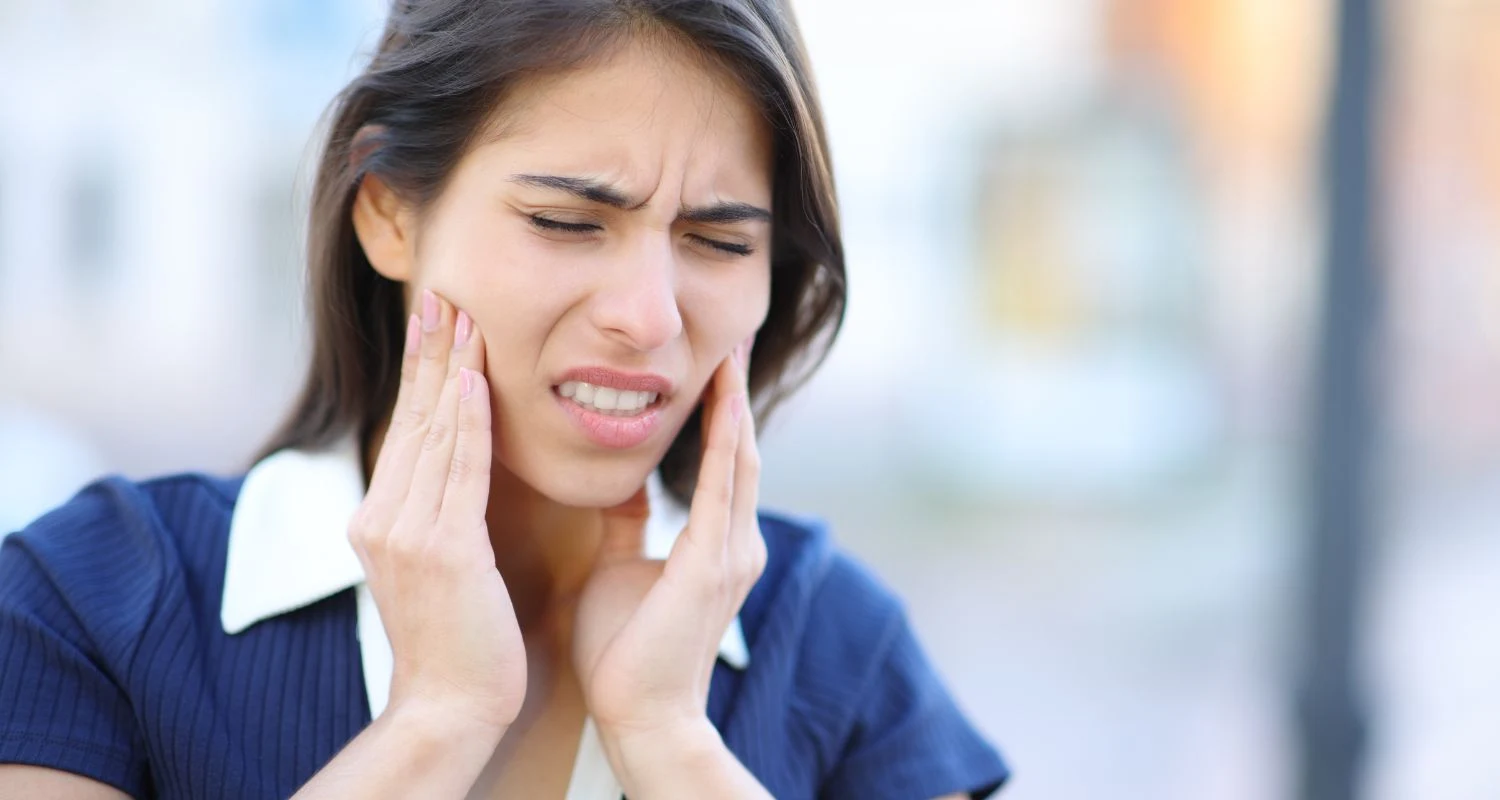
Temporomandibular joint (TMJ) disorders affect the jaw joints and surrounding muscles, causing symptoms such as jaw pain, clicking sounds, and difficulty opening the mouth. While dental treatments like splints and mouth guards are commonly prescribed, many patients wonder whether lifestyle modifications might complement their professional treatment.
According to the Australian Dental Association, TMJ disorders are complex conditions that may benefit from comprehensive management approaches. Research suggests that stress, sleep patterns, and daily habits can significantly influence TMJ symptoms, making lifestyle considerations an important aspect of overall treatment planning.
Understanding how stress relief for TMJ and other lifestyle modifications may support conventional treatment helps patients develop holistic approaches to managing their jaw joint symptoms.
The Connection Between Stress and TMJ
Stress triggers physiological changes that may directly affect jaw muscles and joint function. During stressful periods, many people unconsciously clench their jaw muscles or grind their teeth, behaviours that can exacerbate TMJ symptoms.
Chronic stress often leads to parafunctional habits such as teeth grinding (bruxism), jaw clenching during concentration, nail biting, and holding tension in facial muscles. These stress-induced behaviours may increase mechanical stress on the TMJ.
Poor sleep quality, often related to stress, may worsen TMJ symptoms through increased muscle tension and reduced healing capacity. Sleep deprivation can also lower pain tolerance, making existing TMJ discomfort feel more severe.
Stress Relief for TMJ: Evidence-Based Approaches
Progressive muscle relaxation techniques may help reduce overall muscle tension, including jaw and facial muscles. These methods involve systematically tensing and releasing muscle groups to promote awareness and relaxation.
Deep breathing exercises may activate the body’s relaxation response, potentially reducing stress-related jaw clenching. Mindfulness practices help increase awareness of unconscious habits such as jaw clenching, allowing patients to consciously relax jaw muscles when tension is noticed.
Regular physical activity may help reduce stress levels and improve overall muscle function. Exercise promotes endorphin release, which may naturally reduce pain perception. Gentle neck and shoulder stretches may help address muscle tension in areas connected to jaw function.
Sleep Quality and Dietary Considerations
Establishing consistent sleep routines may improve rest quality and reduce stress-related TMJ symptoms. Good sleep hygiene includes maintaining regular bedtimes and creating comfortable sleep environments.
While professional night guards remain the primary treatment for sleep bruxism, stress relief for TMJ may complement this approach. Relaxation routines before bedtime may help reduce the intensity of nighttime grinding or clenching.
Temporarily modifying food textures may allow jaw muscles and joints to rest during flare-ups. Avoiding extremely hard, chewy, or large foods may help prevent excessive jaw opening or forceful chewing that could aggravate symptoms. Mindful eating practices, including smaller bites and slower chewing, may reduce jaw strain.
Posture and Complementary Techniques
Poor posture, particularly forward head positioning, may contribute to neck and jaw muscle tension. Ergonomic workplace adjustments such as proper monitor height and supportive seating may help reduce postural strain.
Extended phone use, particularly holding devices between ear and shoulder, may contribute to neck and jaw tension. Using hands-free devices or adjusting technology habits may help reduce postural stress.
Applying warm compresses to jaw muscles may help promote relaxation and reduce tension. Light self-massage of jaw muscles may help promote relaxation and awareness of muscle tension, though aggressive manipulation should be avoided.
For patients with significant stress contributing to TMJ symptoms, professional counselling may provide valuable stress management strategies.
Implementation and Professional Integration
Implementing lifestyle modifications gradually may improve adherence and allow patients to identify which changes provide the most benefit. Developing awareness of jaw-related habits throughout the day may help patients recognise and modify behaviours that contribute to TMJ symptoms.
Keeping a symptom diary that includes stress levels, sleep quality, and lifestyle factors may help identify patterns and triggers. This information can be valuable for healthcare providers in developing effective management strategies.
Lifestyle modifications work best when integrated with appropriate professional TMJ treatment rather than as standalone therapies. Stress relief for TMJ techniques may enhance the effectiveness of dental splints, physical therapy, or other prescribed treatments.
While lifestyle modifications may provide valuable support, they typically cannot replace necessary professional treatment. Some individuals may experience significant symptom improvement with stress management, while others may find these approaches provide modest complementary benefits.
Taking a Comprehensive Approach to TMJ Management
Lifestyle modifications and stress relief for TMJ techniques may provide valuable support for professional TMJ treatment. While these approaches cannot replace appropriate dental or medical care, they may help address contributing factors such as stress, poor sleep, and harmful habits.
The relationship between stress, lifestyle factors, and TMJ symptoms suggests that comprehensive management approaches addressing multiple aspects of the condition may be beneficial for many patients.
At Melton Dental House, we provide comprehensive TMJ evaluations and work with patients to develop management strategies that may include both professional treatment and supportive lifestyle modifications. We assess individual cases to determine the most appropriate treatment approaches.
To learn more about TMJ treatment options and lifestyle management strategies, contact Melton Dental House at 03 8798 9798 or complete our enquiry form to schedule a consultation where we can evaluate your specific symptoms and discuss comprehensive management approaches.
Frequently Asked Questions
How quickly might lifestyle changes affect TMJ symptoms?
The timeline for improvement from lifestyle modifications varies significantly between individuals. Some people may notice reduced symptoms within days or weeks of implementing stress relief techniques, while others may require several months of consistent practice. Acute stress-related flare-ups may respond more quickly to relaxation techniques than chronic TMJ symptoms.
Can stress relief techniques replace professional TMJ treatment?
Stress relief and lifestyle modifications typically complement rather than replace professional TMJ treatment. While these approaches may help manage contributing factors, structural problems or severe symptoms usually require professional intervention such as splint therapy, physical therapy, or other treatments.
What should I do if lifestyle changes don’t help my TMJ symptoms?
If lifestyle modifications don’t provide adequate relief after several weeks of consistent implementation, professional evaluation is recommended. TMJ disorders have various causes, and some may require specific treatments that lifestyle changes alone cannot address. Persistent or worsening symptoms warrant professional assessment.