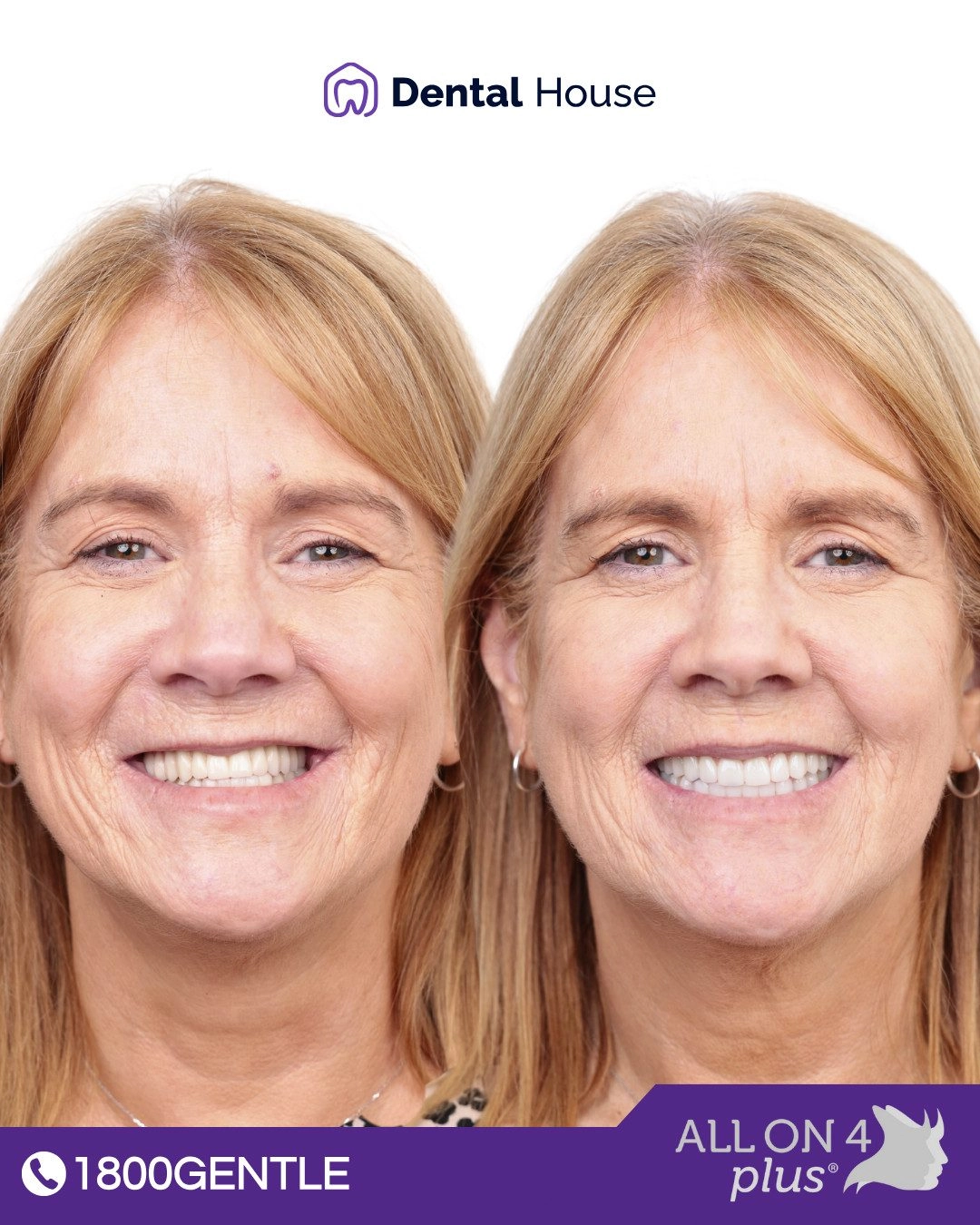
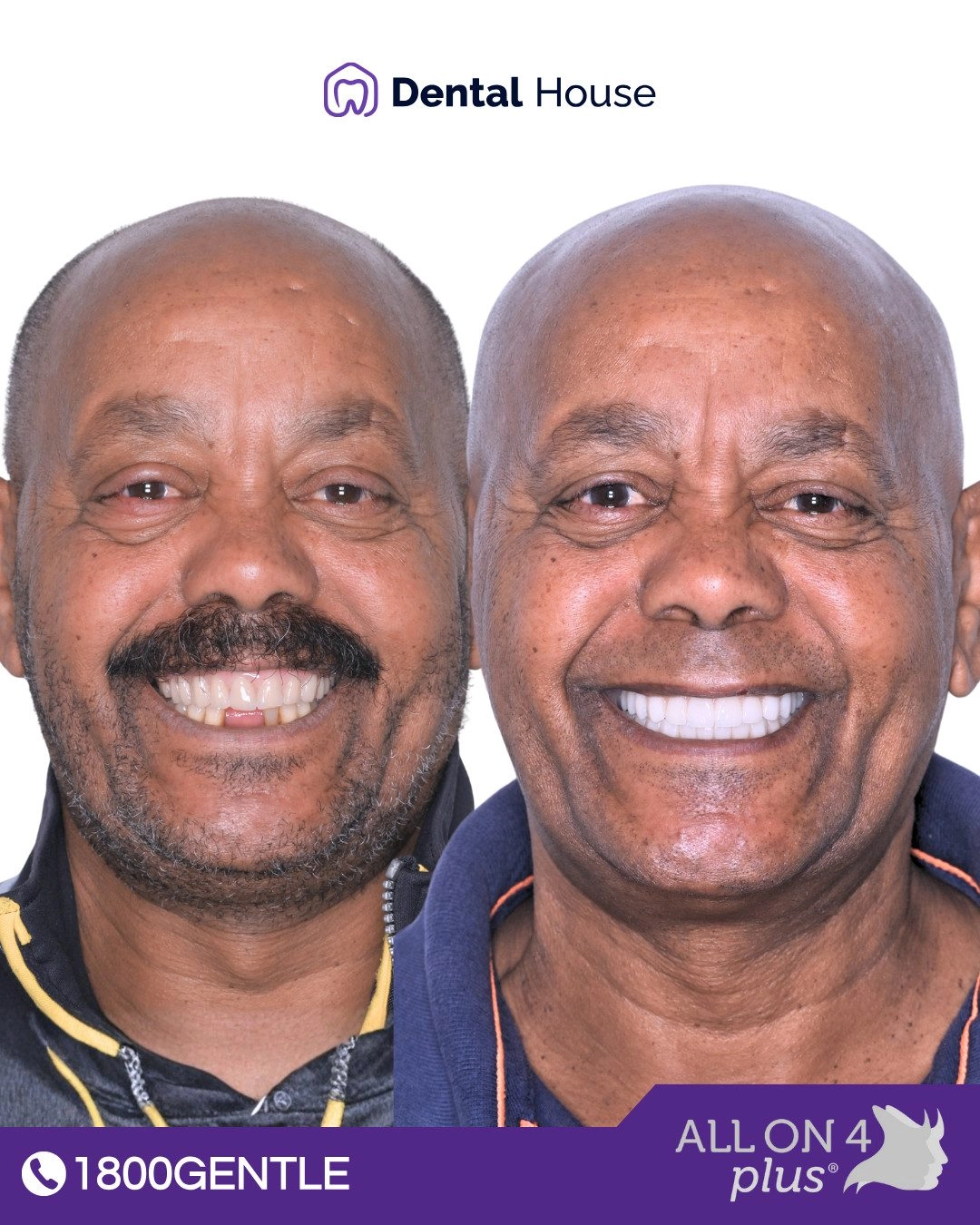
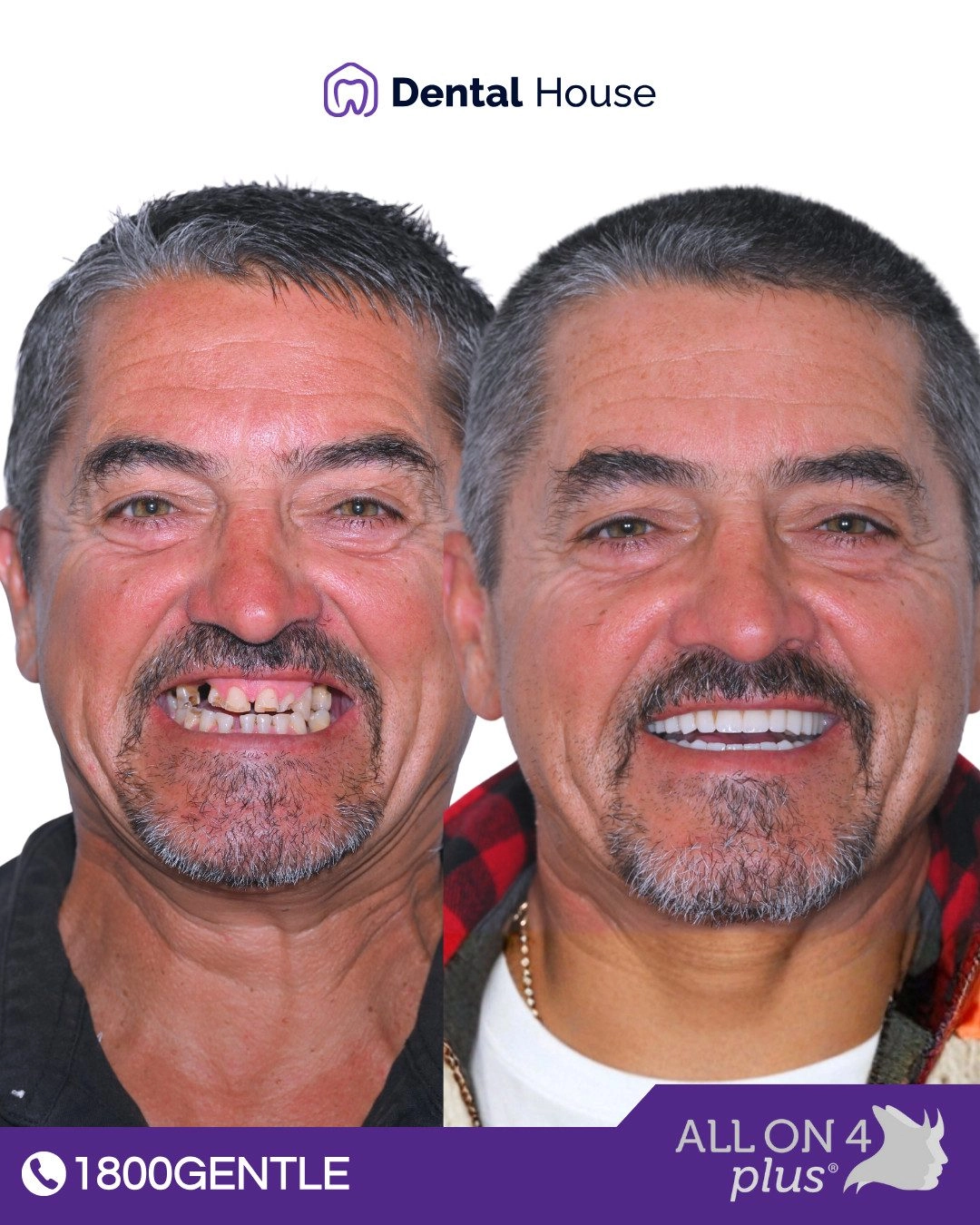
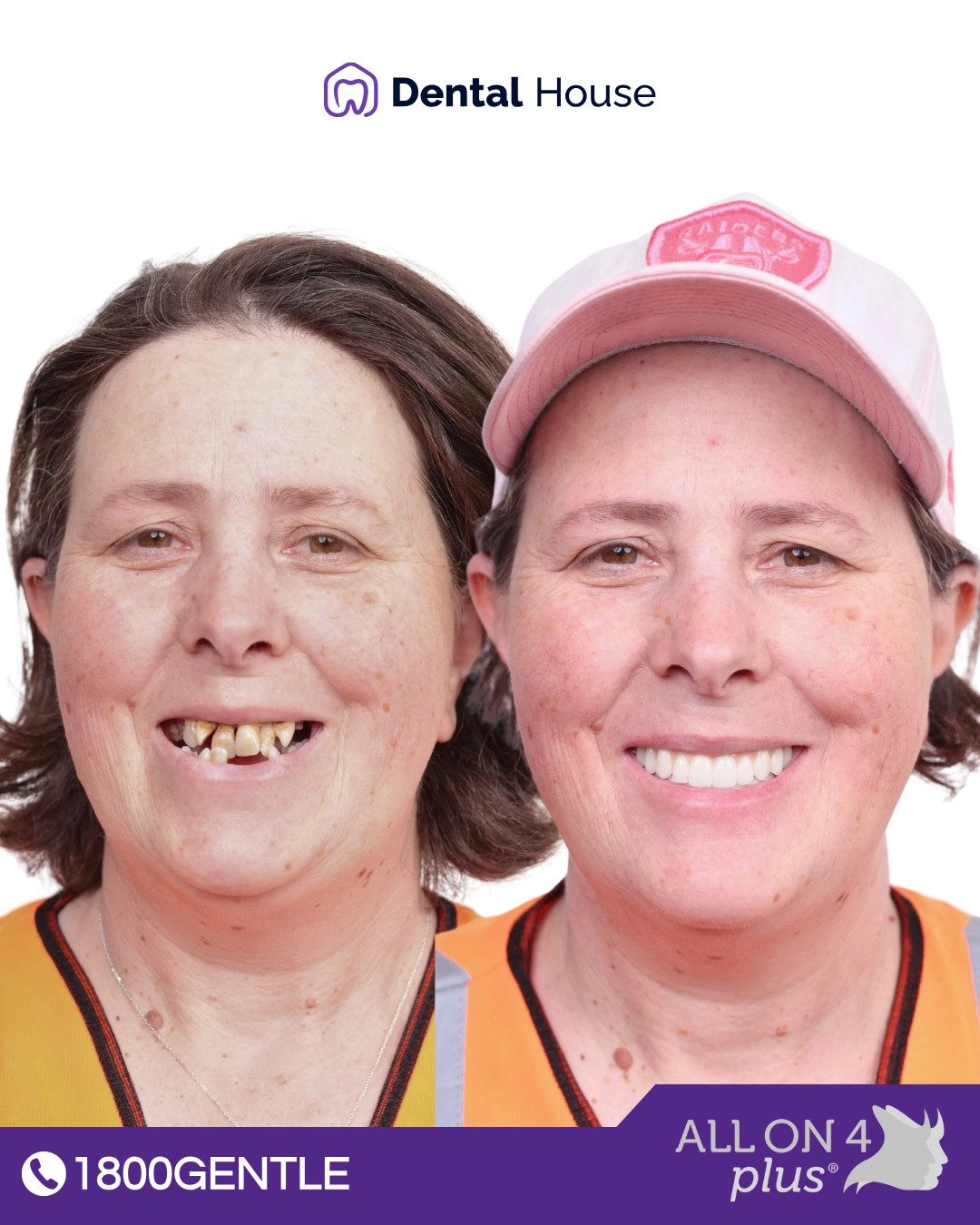

If you’ve been searching “veneers for crooked teeth,” you’ve probably noticed most results say yes without much explanation. The real answer is a bit more specific than that. Veneers can work well for some crooked teeth, and not at all for others. What makes the difference is how crooked your teeth actually are, and what’s happening with your bite underneath.
This guide walks through what veneers can and can’t do for crooked teeth, so you have a clearer idea of where your own smile might sit.
What Are Veneers?
A veneer is a thin shell, usually made from porcelain, that is bonded to the front surface of a tooth. It is designed to change how a tooth looks – its colour, shape, or surface-rather than to move it.
Who May Be Suitable for Veneers on Crooked Teeth?
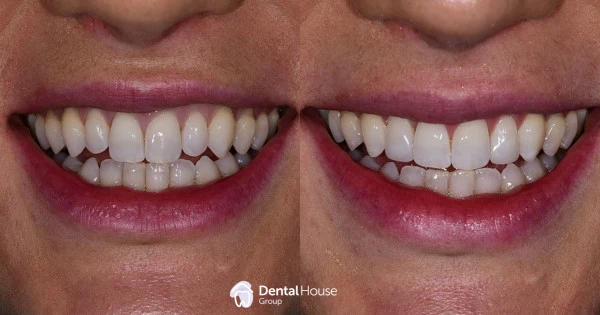
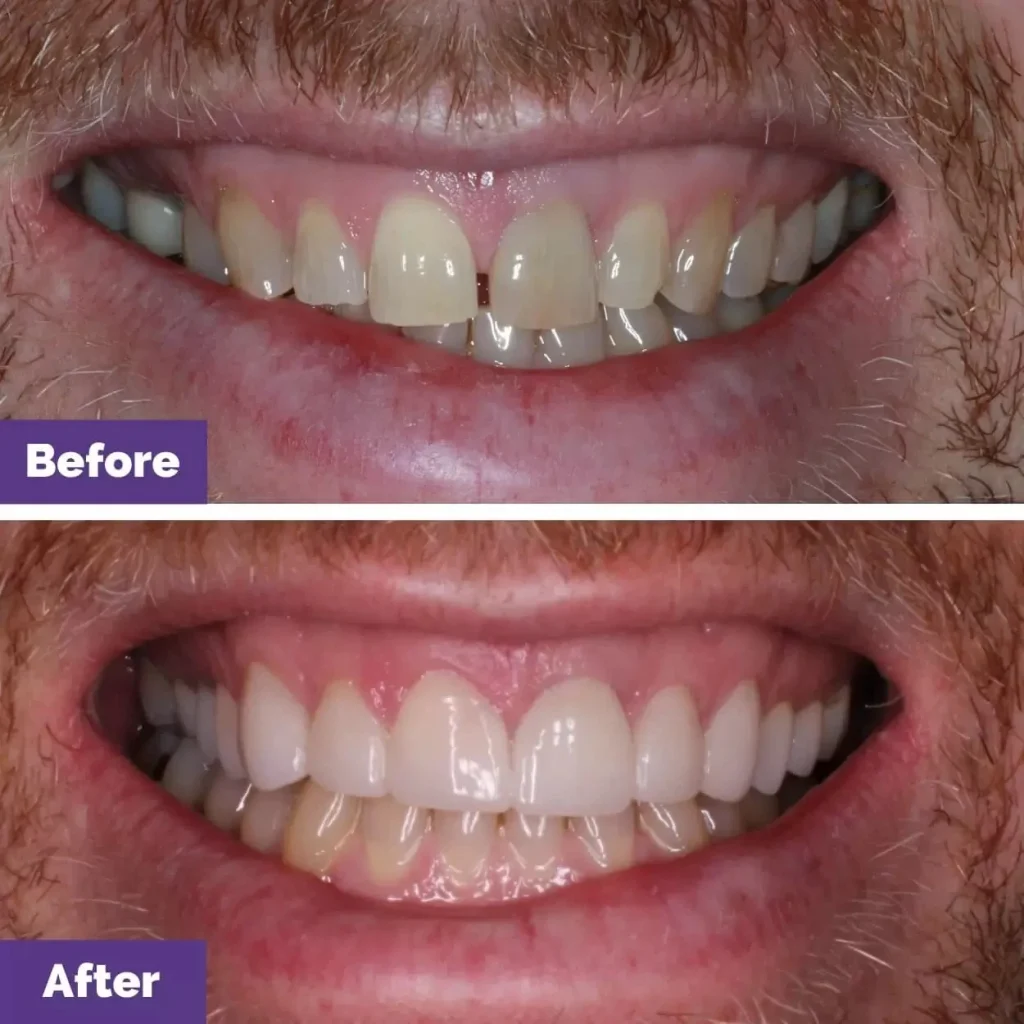
Veneers tend to suit mild cosmetic issues, such as a tooth that sits slightly rotated, a small gap, or minor unevenness across the front teeth. In these cases, a veneer can be shaped to visually blend the tooth in with the ones next to it.
They’re less likely to be suitable if there’s noticeable crowding, a tooth that’s significantly rotated, or a bite that doesn’t close evenly. In these situations, orthodontic treatment is usually needed to move the teeth into a better position first.
Every mouth is different, so this isn’t something to work out from a mirror. A dental assessment is what actually determines which category your teeth fall into.
What Does the Treatment Involve?
If veneers are suitable for you, your dentist will usually start by looking at the shape, colour and alignment of your teeth, along with your bite and the condition of your enamel and gums.
From there, a small amount of the tooth’s surface may be prepared to allow the veneer to sit naturally, and a custom shell is created to match your smile. Digital smile design can be used at this stage to give you a preview of what the result may look like before anything is permanently placed.
Because veneers only work with the front surface of a tooth, the process doesn’t involve moving teeth or adjusting the jaw.
Benefits of Veneers for Mild Misalignment
For teeth that are only slightly out of place, veneers can offer a few practical advantages:
- They can be completed in fewer visits than orthodontic treatment.
- Colour, shape, and minor alignment issues can be addressed in one process.
- Results can look natural when the underlying teeth are already close to straight.
Results can vary from person to person, and your dentist can talk you through what’s realistic for your own teeth.
Things to Consider
Veneers change how a tooth looks, not its position. If the underlying issue is crowding or a misaligned bite, a veneer placed over it may not sit comfortably and could wear unevenly over time.
Enamel condition also matters, since a veneer needs a stable surface to bond to. Thin or worn enamel is something your dentist will take into account during an assessment.
It’s also worth knowing that veneers aren’t reversible in the way whitening or a clean-and-polish are, since a small amount of the tooth surface is typically prepared beforehand.
Alternatives to Veneers
Invisalign and other orthodontic options are designed to move teeth into a new position, which makes them a suitable option when the issue is genuine misalignment or a bite that doesn’t close properly.
Some patients choose to combine the two, using orthodontic treatment to correct the position of their teeth, followed by veneers if they’d still like to adjust colour or shape afterwards. A study published through the U.S. National Library of Medicine on combining orthodontic treatment with porcelain veneers found this approach improved aesthetic outcomes on front teeth compared to veneers on their own.
There’s no single right order for every patient-it depends on what your teeth need.
Is a Veneer on Crooked Teeth Right for You?
It comes down to a personal assessment. Mild rotation, slight spacing, or unevenness may sometimes be addressed with veneers. However, crowding, severe rotation, or bite issues would usually require orthodontic treatment first.
Your dentist can assess your teeth and give you an idea of what might work best for you.
Ready to Find Out?
Veneers can be a good option for teeth that are only mildly crooked, particularly if you’d also like to adjust colour or shape. For anything beyond mild misalignment, orthodontic treatment is generally the more suitable starting point. The best way to know where your teeth sit is a proper assessment, not a guess from a mirror or an online before-and-after photo.
If you’d like to know whether veneers may suit your teeth, call us on (03) 8798 9798 or 1800 GENTLE (1800 436 853), and we can talk you through your options.