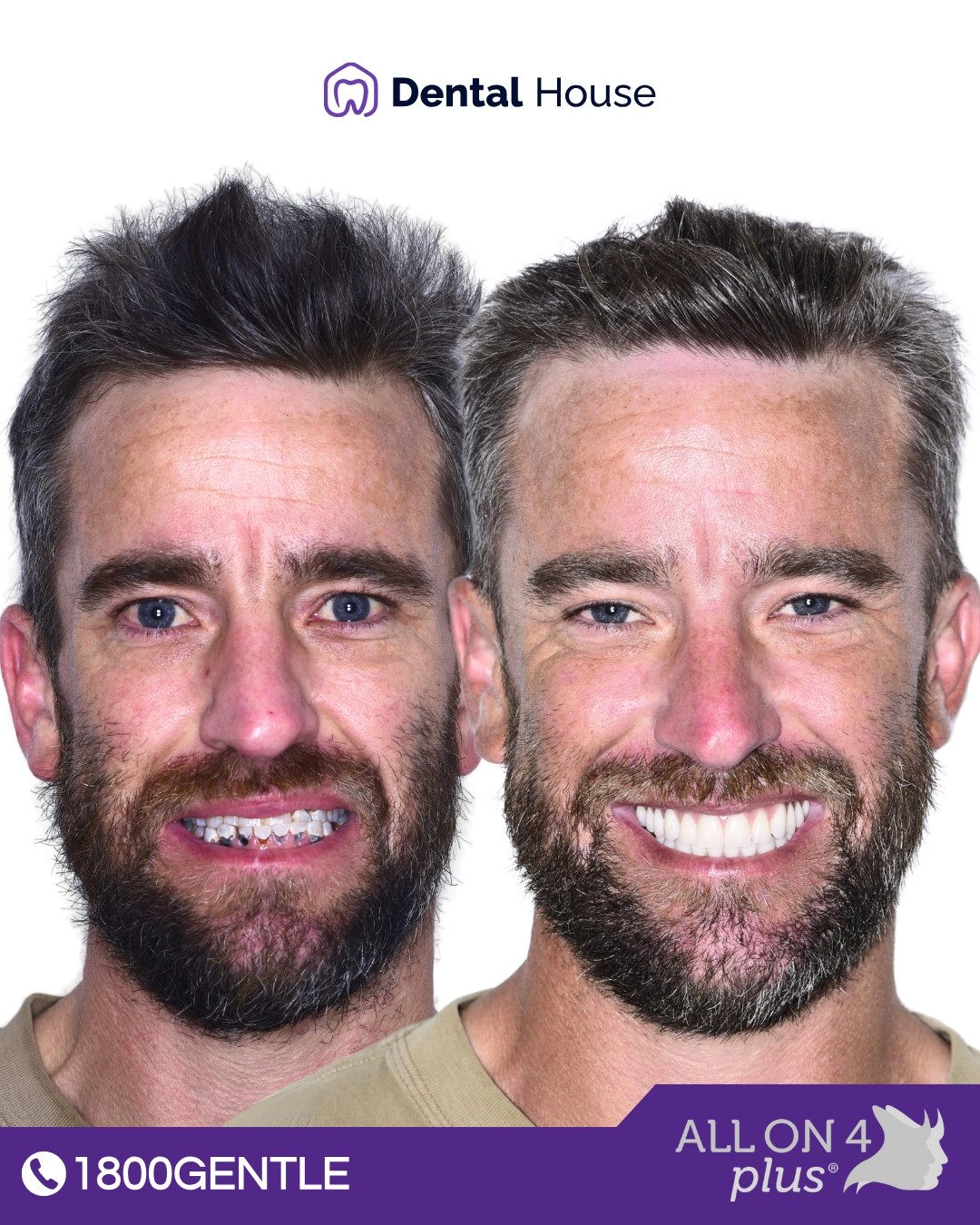
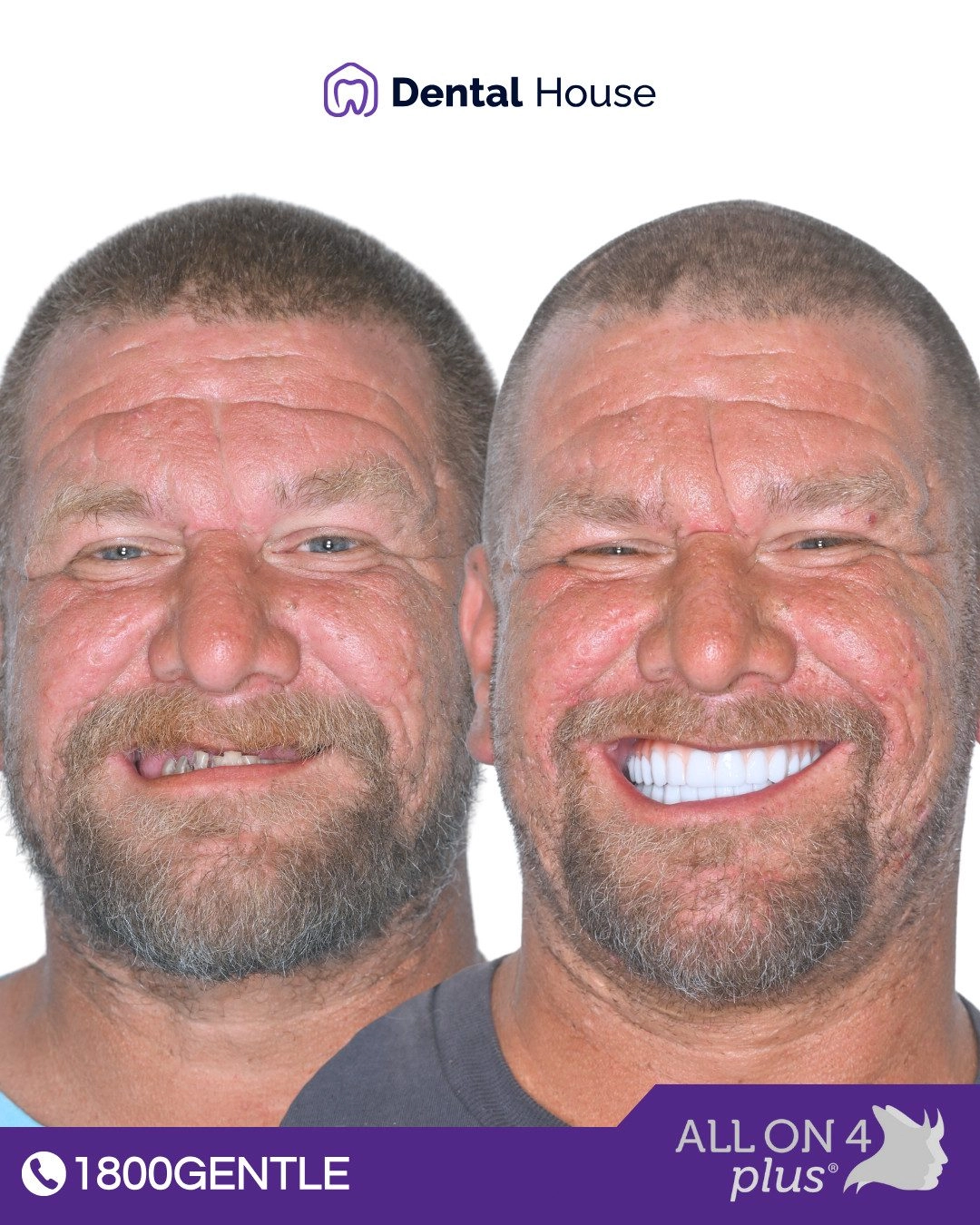
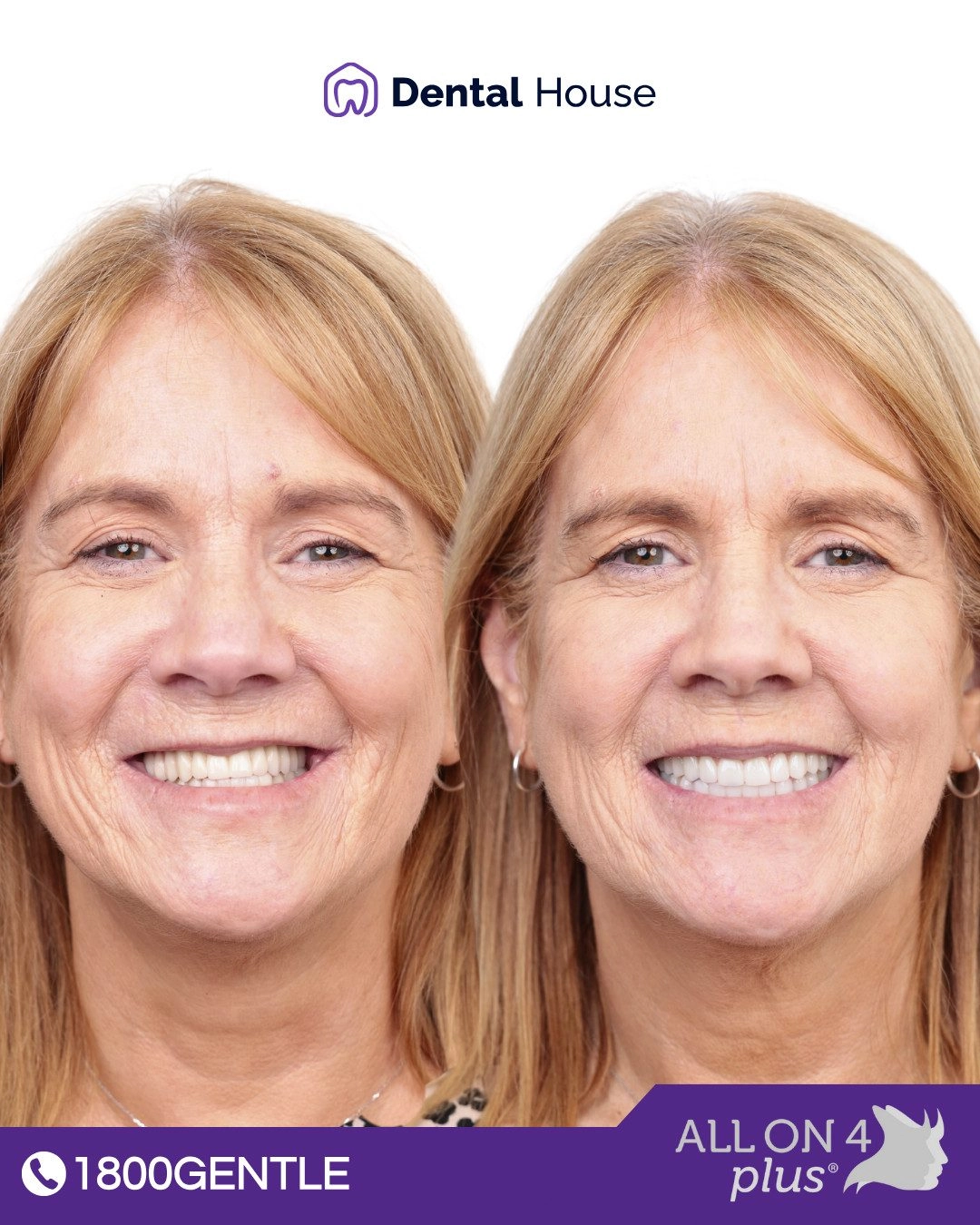
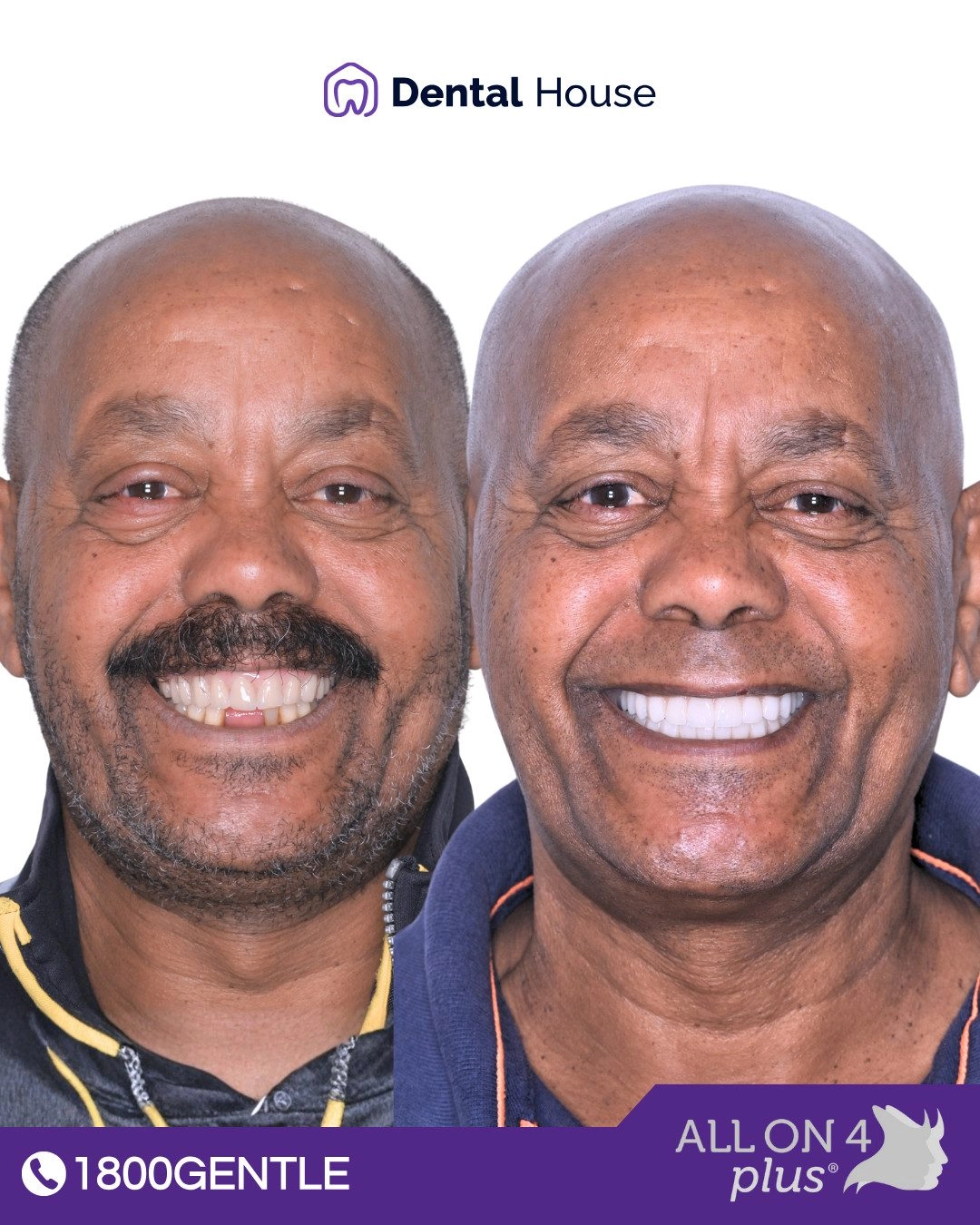
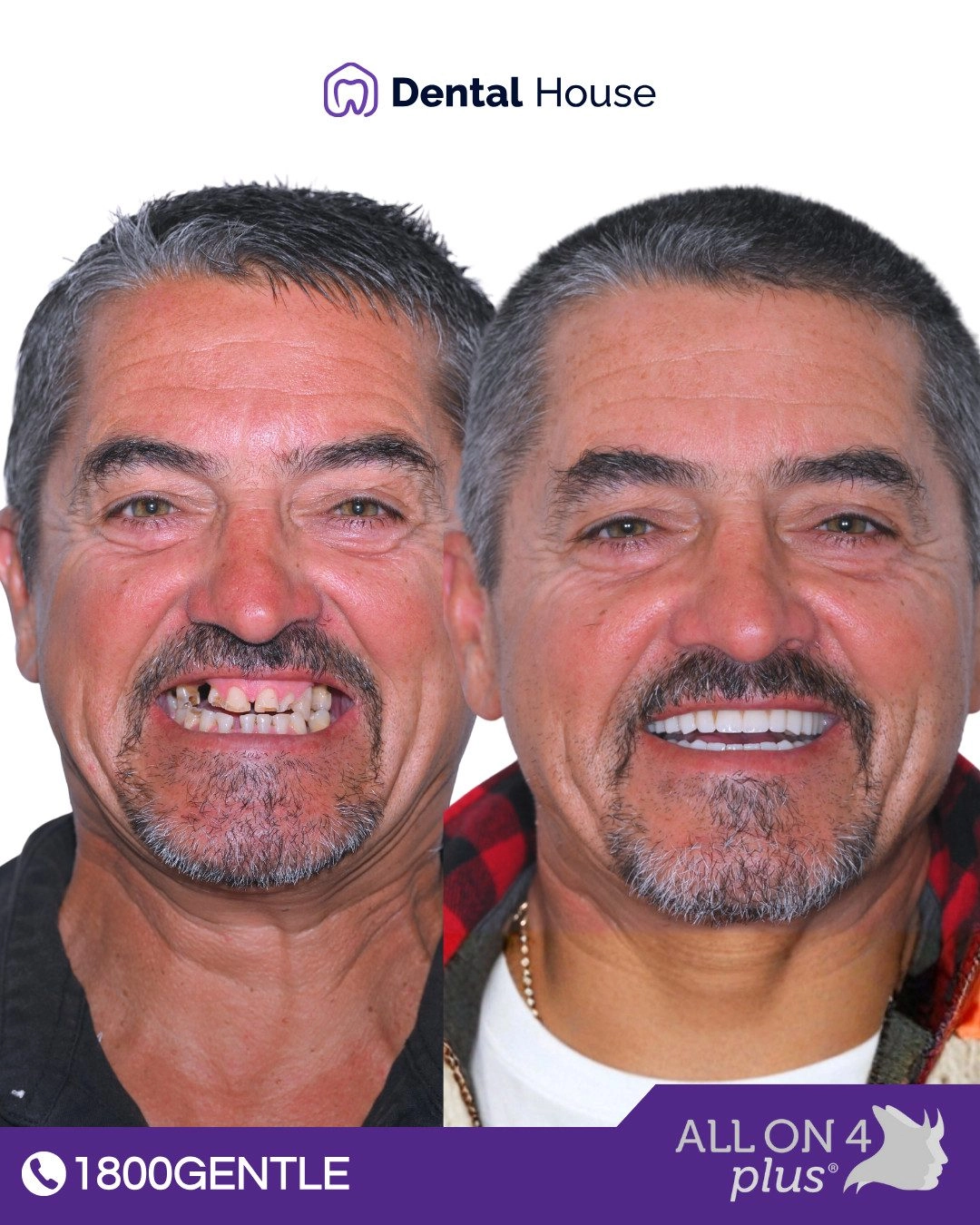
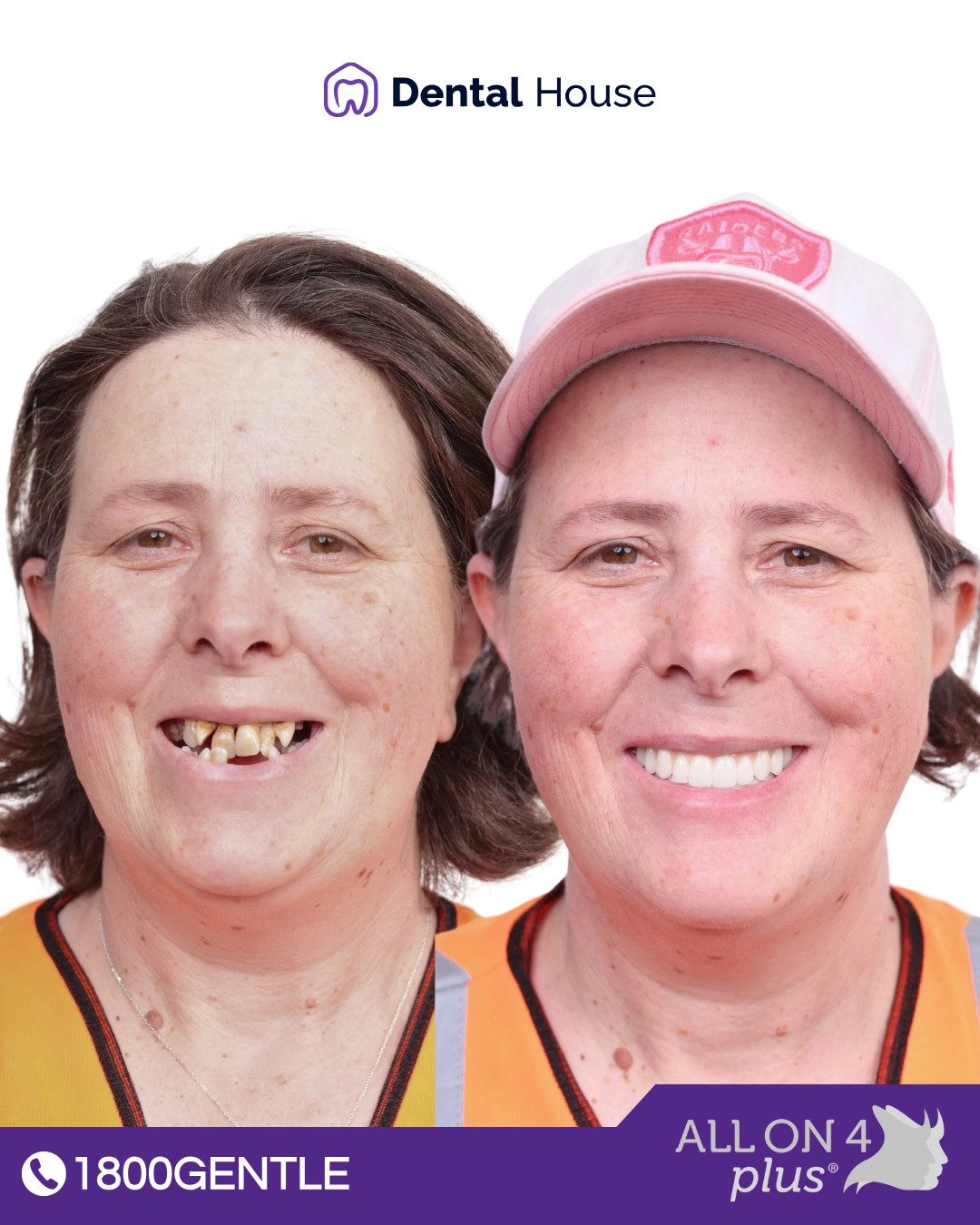
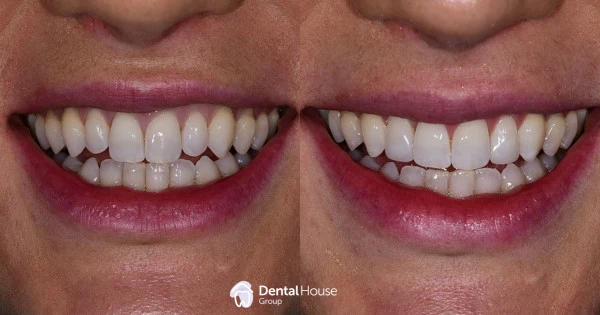
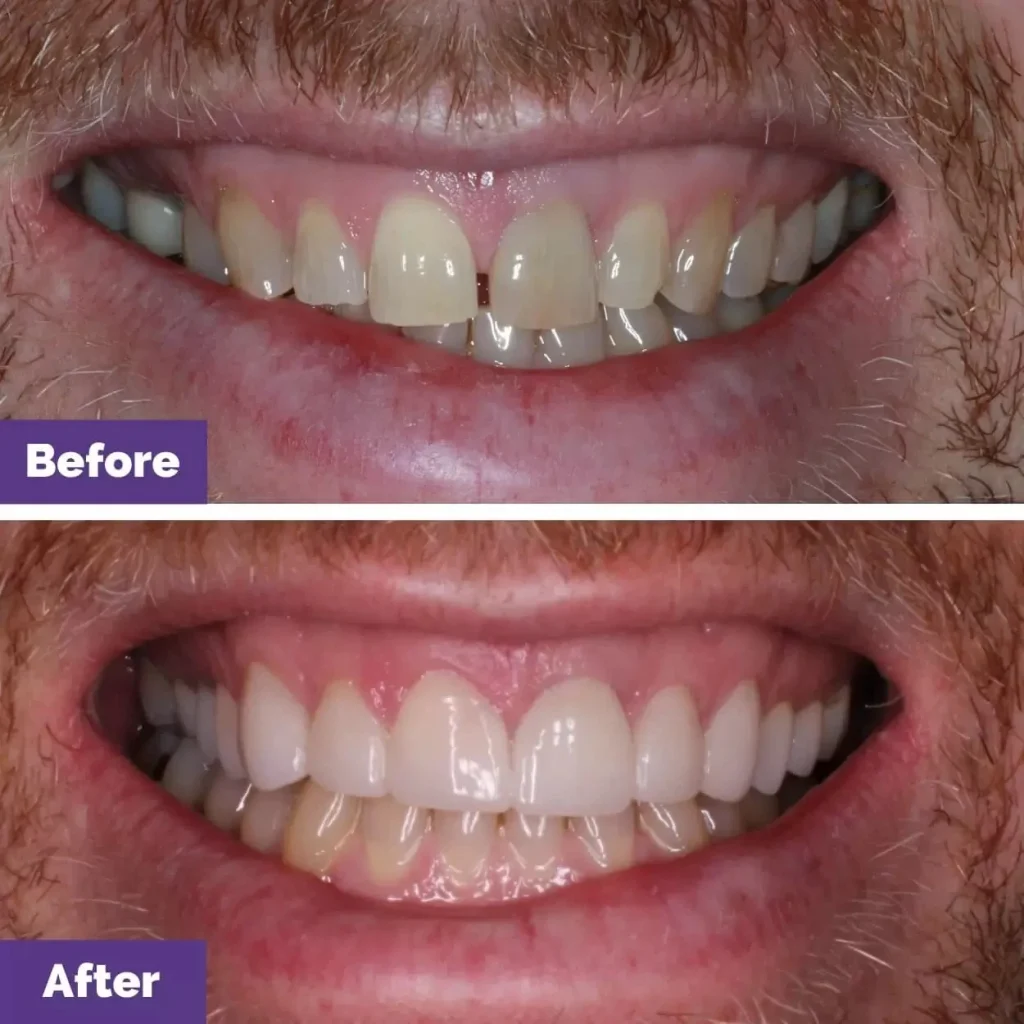
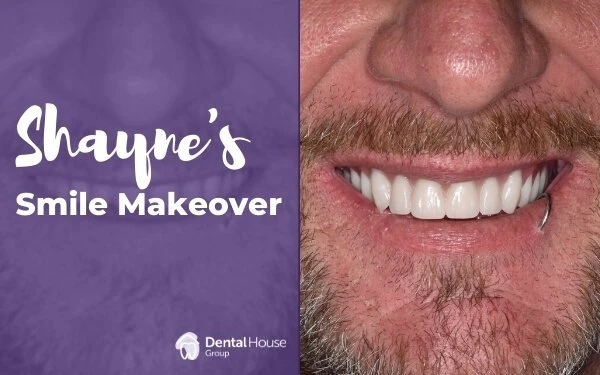
Cosmetic Bonding
Cosmetic Bonding at Melton
Need a quick tooth repair? At Melton Dental House, cosmetic bonding uses tooth-coloured resin to restore chipped, cracked or discoloured teeth, often in a single visit.
When Teeth Need Minor Repairs
Chipped corners, small cracks, minor gaps or surface stains can affect your smile’s appearance. At Melton Dental House, cosmetic bonding offers a solution using tooth-coloured resin to repair and reshape damaged teeth with minimal tooth preparation required.
Understanding Cosmetic Bonding
Cosmetic bonding involves applying tooth-coloured composite resin directly to the tooth surface to repair chips, cracks, gaps or discolouration. The material is shaped to match your natural tooth contour, then hardened with a special light and polished to blend with surrounding teeth.
The procedure typically requires minimal removal of natural tooth structure, making it less invasive than veneers or crowns. Treatment can often be completed in a single appointment, though multiple teeth may require additional visits.
Results vary based on the size and location of the repair. Bonding material is not as strong or stain-resistant as natural teeth or porcelain restorations, and may require replacement or maintenance over time.
Could Cosmetic Bonding Be Right for You?
At Melton Dental House, we believe every patient deserves individual attention. Cosmetic bonding may be suitable following our comprehensive assessment, though each case requires evaluation of the damage extent and your oral health.
Your Cosmetic Bonding Journey
Whilst individual needs vary based on the number of teeth and extent of repair needed, here's what you can typically expect:

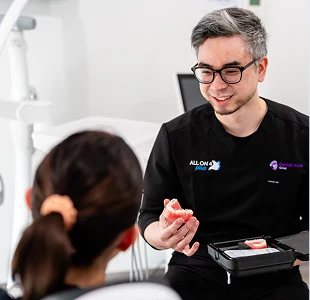
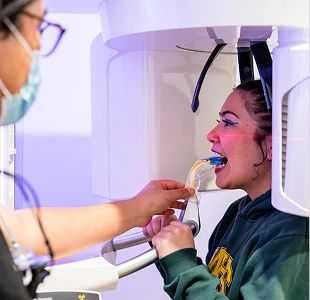
Your Comprehensive Assessment
Our experienced team examines the damaged tooth, assesses surrounding teeth and gums, discusses your concerns, and determines whether bonding is appropriate for your situation. (1 visit, approximately 30-45 minutes)

Colour Matching and Preparation
We select composite resin shade to match your natural teeth, then lightly roughen the tooth surface to help bonding material adhere properly, usually without anaesthesia. (Same visit, approximately 15-20 minutes per tooth)

Bonding Application
Tooth-coloured resin is applied in layers, shaped to desired contour, hardened with a special light, then refined and polished to match the sheen of surrounding teeth. (Same visit, approximately 30-60 minutes per tooth)

Final Adjustments
We check your bite, make any necessary adjustments to ensure comfort, and provide care instructions to help maintain your bonding long-term. (Same visit, approximately 10-15 minutes)

Follow-Up Review (Optional)
If you experience any sensitivity, rough edges or concerns about appearance or function, we address issues promptly, though most patients require no follow-up. (As needed, approximately 20-30 minutes)

Ongoing Maintenance
Bonding material may stain, chip or wear over time, requiring periodic polishing, repair or replacement every 3-10 years depending on location and habits. (Every 3-6 months during regular check-ups)
Risks & Recovery
Cosmetic bonding uses tooth-coloured resin to improve the shape or appearance of teeth. As with any dental procedure, there are risks and recovery considerations.
Possible risks include:
- Minor tooth or gum sensitivity after treatment
- Chipping, wear or staining of the bonding material over time
- Slight colour mismatch if the surrounding natural teeth change shade later
- Bonding may require maintenance or replacement sooner than veneers or crowns
Recovery considerations:
- Patients usually return to normal activities immediately
- Any mild sensitivity typically resolves within a few days
- Avoiding habits such as biting nails or chewing hard foods can help preserve the bonding
- Regular reviews and professional polishing may extend the lifespan of the restoration
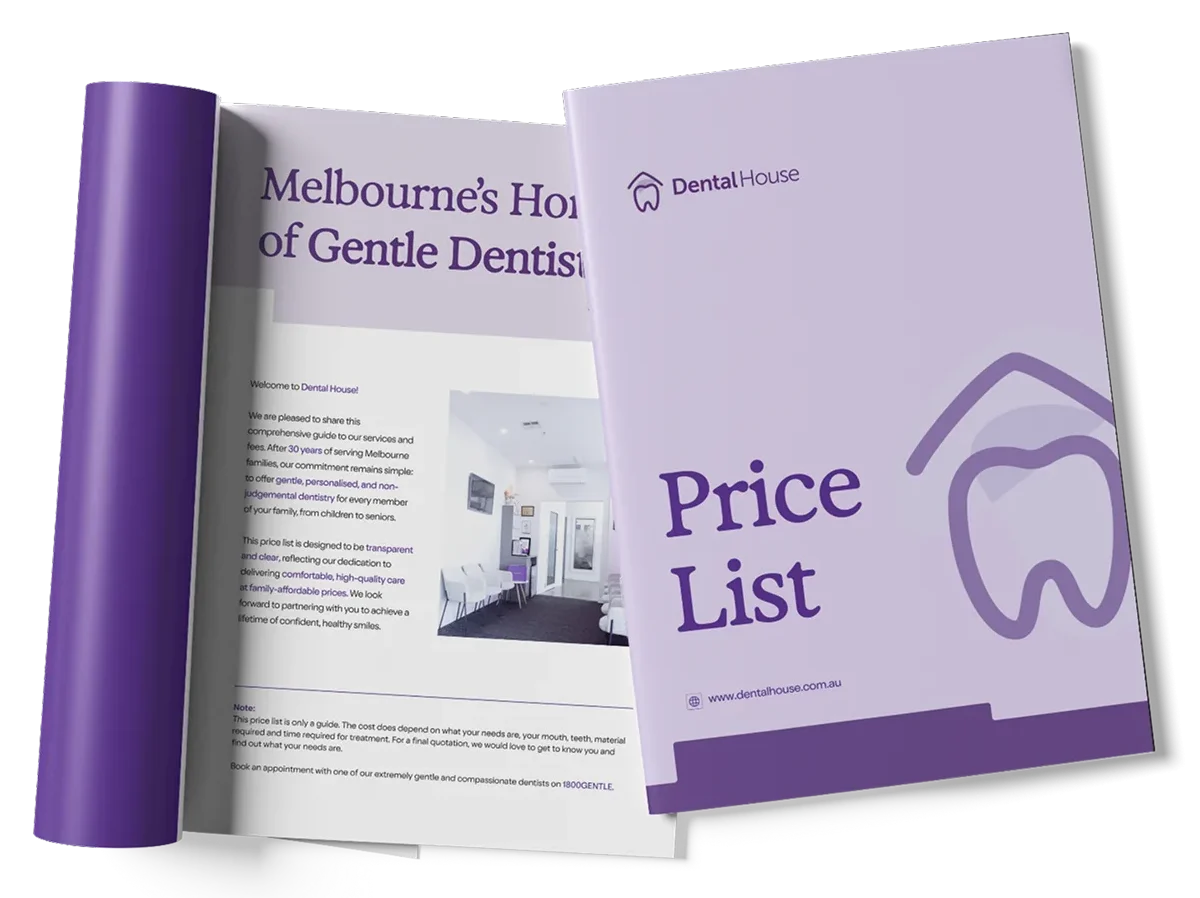
Invest in Your Oral Health
Quality dental care is an investment in your long-term health and wellbeing. Download our comprehensive price guide today.
Any questions?

How long does cosmetic bonding last?
Bonding typically lasts 3-10 years depending on the tooth location, size of repair, your bite forces and maintenance habits. Bonding on front teeth often lasts longer than on biting edges. Avoiding hard foods, not biting nails or pens, and good oral hygiene help extend bonding lifespan, though replacement is eventually needed.
Will bonding stain like natural teeth?
Yes. Bonding material is more porous than natural enamel and may stain more easily from coffee, tea, red wine and smoking. Avoiding staining substances and maintaining good oral hygiene help minimize discolouration, though bonding cannot be whitened and may require replacement if it becomes noticeably stained.
Is bonding as strong as my natural teeth?
No. Bonding material is less durable than natural tooth enamel or porcelain restorations. It can chip or break from biting hard foods, grinding teeth or trauma. For larger repairs or high-stress areas, crowns or veneers may be more appropriate long-term solutions.
Making Your Smile Affordable
We offer flexible payment plans to suit your budget. Get the dental care you need, when you need it.




Ready to Learn More?
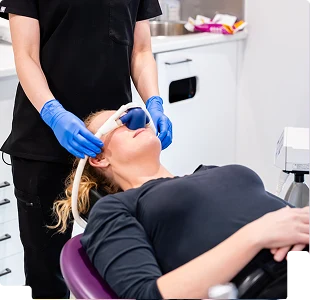
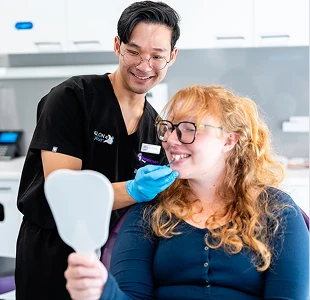
The first step is a comprehensive consultation to assess whether cosmetic bonding could suit your needs. Contact our caring Melton team today.
Disclaimer: The material posted is for informational purposes only and is not intended to substitute for professional medical advice, diagnosis or treatment. Results vary with each patient. Any dental procedure carries risks and benefits. If you have any specific questions about any dental and/or medical matter, you should consult your dentist, physician or other professional healthcare providers.
Medically Reviewed by Dr Warren Antonoff
Last Reviewed: August 26, 2026

Let’s chat.
Take the first step today. Fill out the form and we'll contact you to arrange your consultation with our gentle Melton team.