
TMJ Disorder Treatment
TMJ Disorder Treatment at Melton
Experiencing jaw pain or TMJ symptoms? At Melton Dental House, our experienced team diagnoses and treats temporomandibular joint disorders to help relieve discomfort.
When Jaw Pain Affects Your Daily Life
TMJ disorder can cause chronic pain in the jaw bones, muscles and surrounding areas, impacting your ability to eat, speak and sleep comfortably. At Melton Dental House, we understand that proper diagnosis and individualised treatment can help provide relief.
Understanding TMJ Disorder
TMJ disorder affects the temporomandibular joint, which includes the lower jaw (mandible), temporal bone, cheekbone, and all connected muscles and tendons. This complex joint system can develop dysfunction (TMD – temporomandibular dysfunction) when misalignment, muscle spasms, or joint degradation occurs.
The disorder may manifest through various symptoms including jaw pain, clicking sounds, headaches, ear pain, dizziness, and facial swelling. TMJ disorders can stem from multiple causes including stress, teeth grinding (bruxism), teeth clenching, arthritis, whiplash, facial injuries, or poor jaw alignment that interferes with chewing.
Because the jaw joint is located near facial and sinus areas, symptoms may extend beyond the immediate jaw area to affect hearing, balance, and overall comfort. The condition varies significantly between individuals, with some experiencing mild intermittent discomfort whilst others suffer chronic pain. Early diagnosis and appropriate treatment can help prevent symptom progression, though individual responses to treatment vary based on the underlying cause and severity.
Could TMJ Treatment Be Right for You?
At Melton Dental House, we believe everyone deserves relief from jaw pain and dysfunction. TMJ treatment may be suitable for patients experiencing various symptoms related to jaw joint problems, though specific treatments require comprehensive evaluation based on individual circumstances.
Your Comprehensive TMJ Treatment Journey
Whilst individual needs vary based on symptoms and underlying causes, here's what you can typically expect:

Your Thorough TMJ Assessment
Our experienced team conducts a comprehensive evaluation including health history review, symptom discussion, and detailed examination of jaw movement and alignment patterns. (1 visit, approximately 45-60 minutes)

Advanced Diagnostic Imaging
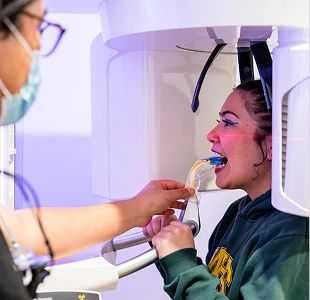
Complete dental radiographs to assess jaw position and alignment, with possible referral for MRI or 3D imaging when clinically indicated for detailed joint evaluation. (Same visit or separate appointment, timing varies based on imaging requirements)

Personalised Diagnosis and Treatment Planning
Analysis of examination findings and imaging results to determine the underlying cause of your TMJ disorder and develop an individualised treatment approach. (Follow-up visit, approximately 30-45 minutes)

Conservative Treatment Implementation
Initial treatment may include custom mouth appliances for bruxism control, bite adjustments, stress reduction recommendations, or anti-inflammatory medications based on your specific diagnosis. (Multiple visits as needed, timing varies)

Advanced Treatment Options When Appropriate
For complex cases, treatment may include dental crown or bridge adjustments, muscle relaxation techniques, or other therapeutic approaches based on individual assessment. (Additional visits as required, scheduling based on treatment complexity)

Ongoing Monitoring and Maintenance
Regular follow-up to assess treatment effectiveness, adjust appliances when needed, and monitor for any changes in symptoms or jaw function. (Scheduled visits, timing based on individual response and treatment type)
Your Thorough TMJ Assessment
Our experienced team conducts a comprehensive evaluation including health history review, symptom discussion, and detailed examination of jaw movement and alignment patterns. (1 visit, approximately 45-60 minutes)
Advanced Diagnostic Imaging
Complete dental radiographs to assess jaw position and alignment, with possible referral for MRI or 3D imaging when clinically indicated for detailed joint evaluation. (Same visit or separate appointment, timing varies based on imaging requirements)
Personalised Diagnosis and Treatment Planning
Analysis of examination findings and imaging results to determine the underlying cause of your TMJ disorder and develop an individualised treatment approach. (Follow-up visit, approximately 30-45 minutes)
Conservative Treatment Implementation
Initial treatment may include custom mouth appliances for bruxism control, bite adjustments, stress reduction recommendations, or anti-inflammatory medications based on your specific diagnosis. (Multiple visits as needed, timing varies)
Advanced Treatment Options When Appropriate
For complex cases, treatment may include dental crown or bridge adjustments, muscle relaxation techniques, or other therapeutic approaches based on individual assessment. (Additional visits as required, scheduling based on treatment complexity)
Ongoing Monitoring and Maintenance
Regular follow-up to assess treatment effectiveness, adjust appliances when needed, and monitor for any changes in symptoms or jaw function. (Scheduled visits, timing based on individual response and treatment type)

Invest in Your Oral Health
Quality dental care is an investment in your long-term health and wellbeing. Download our comprehensive price guide today.
Any questions?
What causes TMJ disorder?
TMJ causes vary between individuals and may include stress, teeth grinding, jaw misalignment, arthritis, facial injuries, or muscle tension. Our comprehensive evaluation helps identify the specific factors contributing to your symptoms for targeted treatment.
How do you diagnose TMJ disorder?
Diagnosis involves detailed symptom review, jaw movement assessment, bite evaluation, and dental imaging. We may recommend additional imaging like MRI when clinically indicated to fully understand your joint condition and develop appropriate treatment.
Will I need surgery for TMJ?
Most TMJ cases respond well to conservative treatments like mouth appliances, bite adjustments, or muscle relaxation techniques. Surgery is rarely necessary and would only be considered after conservative approaches have been thoroughly explored.
Making Your Smile Affordable
We offer flexible payment plans to suit your budget. Get the dental care you need, when you need it.




Ready to Learn More?
The first step is a comprehensive TMJ evaluation to understand the cause of your symptoms and develop an effective treatment plan. Contact our caring Melton team today.
Disclaimer: The material posted is for informational purposes only and is not intended to substitute for professional medical advice, diagnosis or treatment. Results vary with each patient. Any dental procedure carries risks and benefits. If you have any specific questions about any dental and/or medical matter, you should consult your dentist, physician or other professional healthcare providers.
Medically Reviewed by Dr Warren Antonoff
Last Reviewed: July 9, 2026
Patient Awareness Blog
Let’s chat.
Take the first step today. Fill out the form and we'll contact you to arrange your consultation with our gentle Melton team.