
Periodontal Treatment
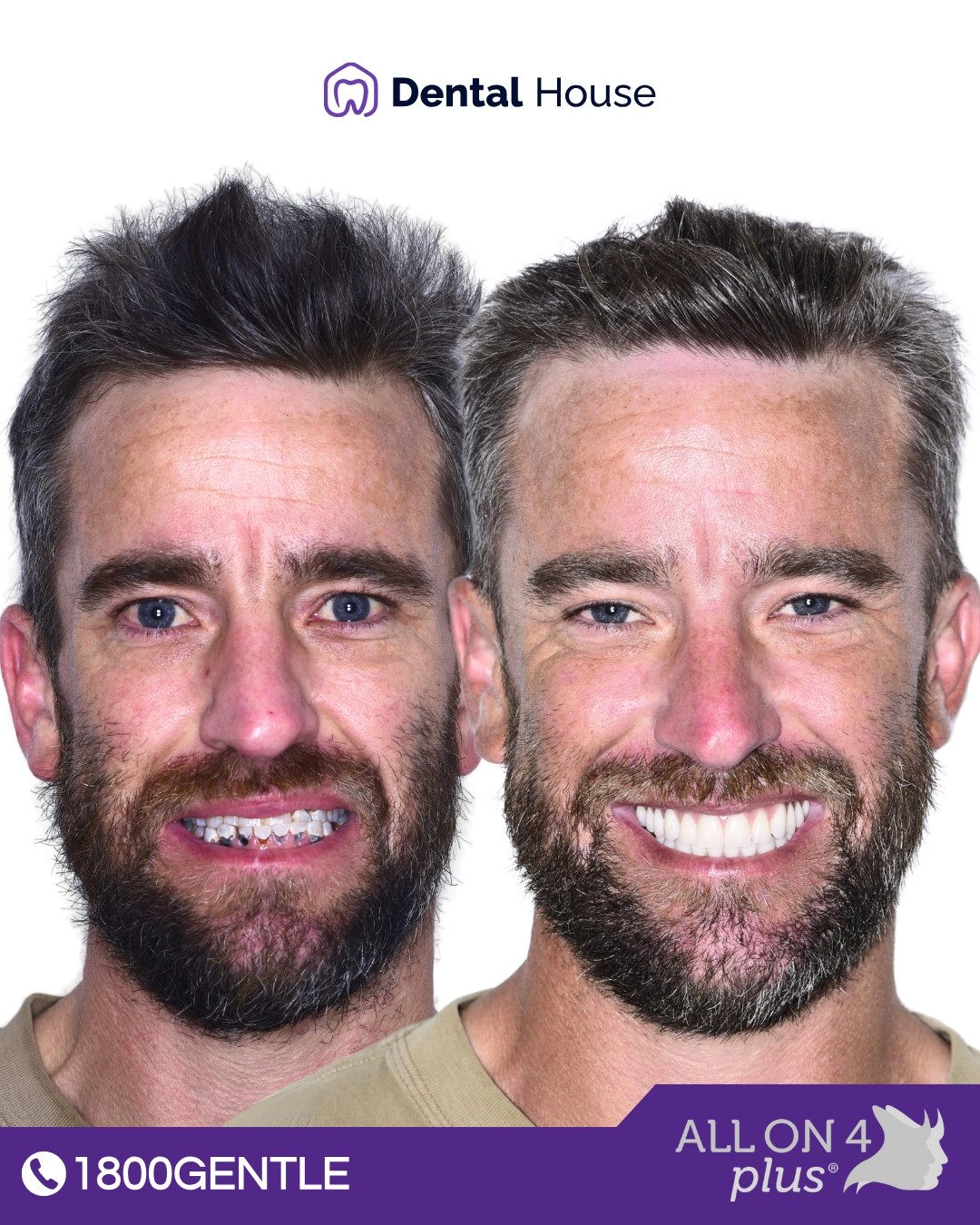
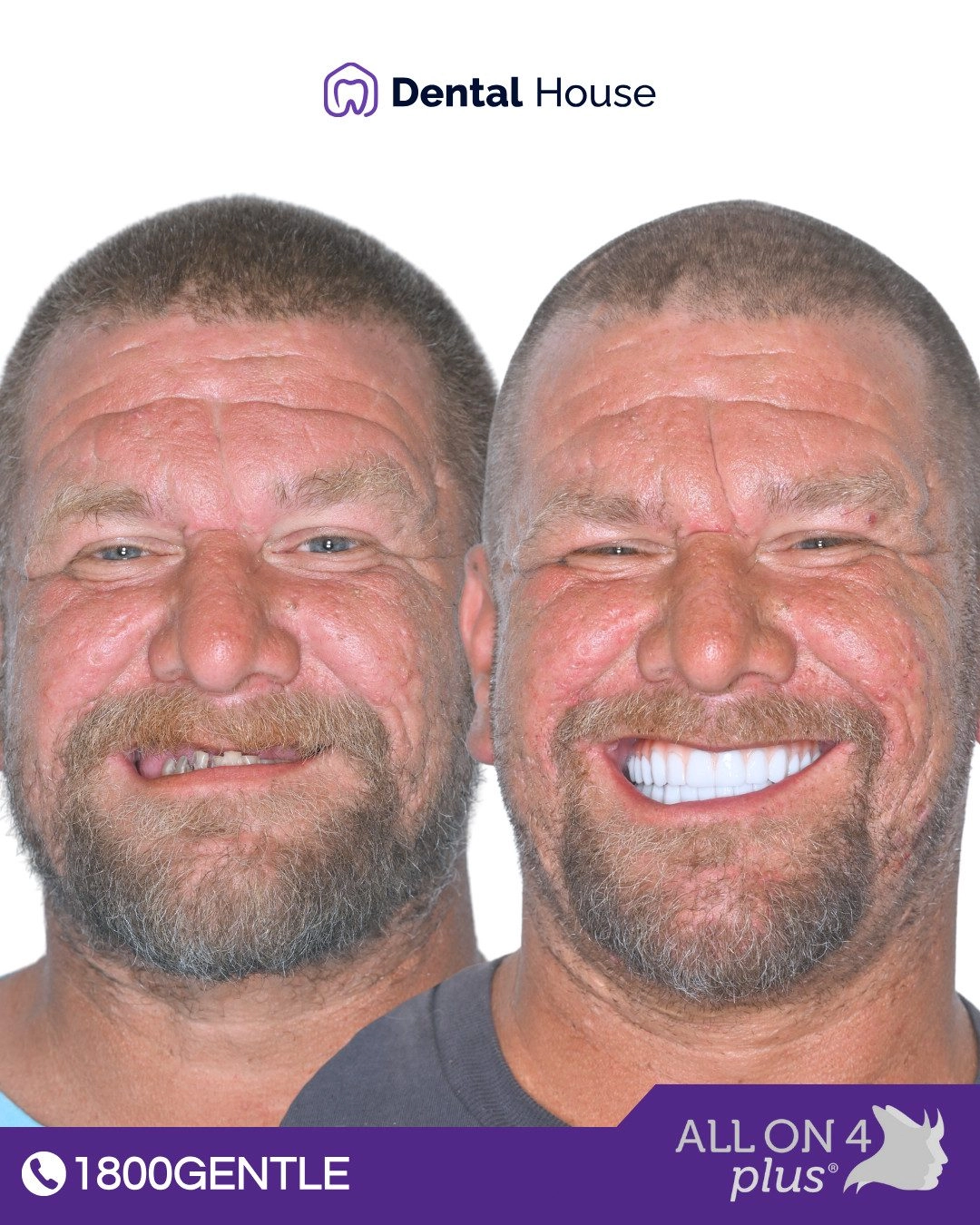
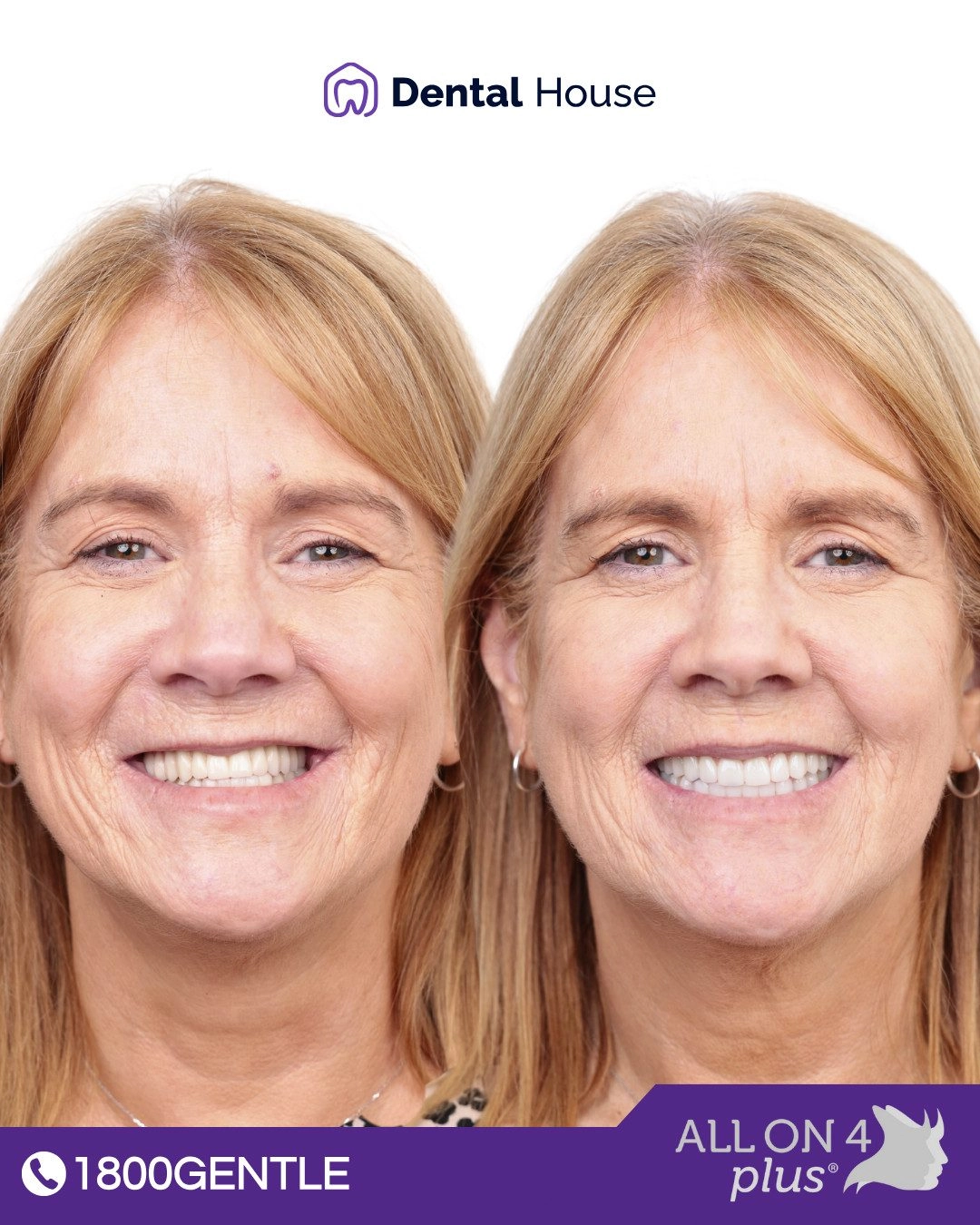
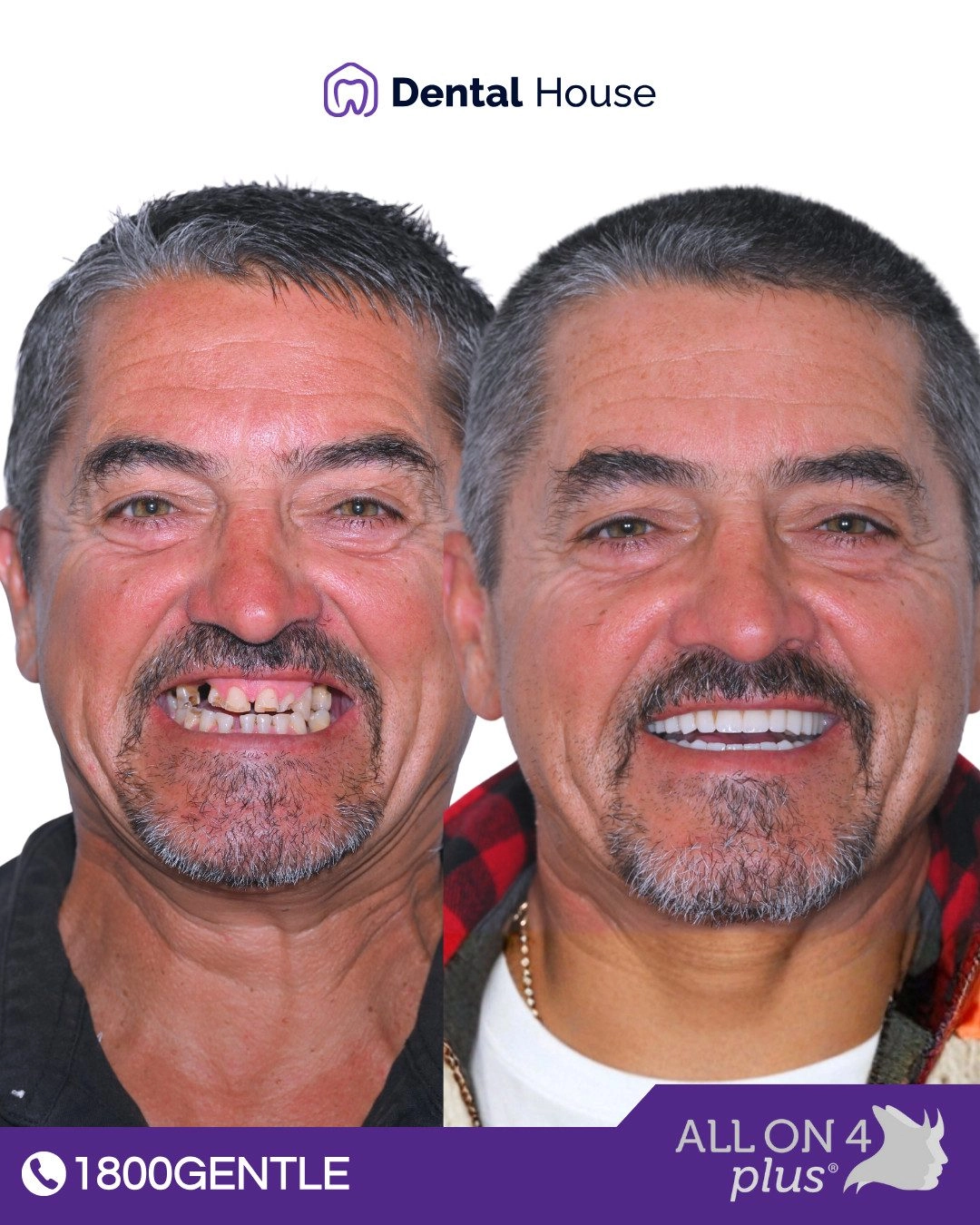
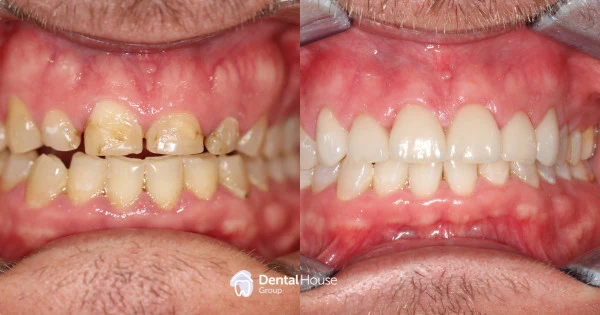
Disclaimer: Images are for illustrative purposes only. Individual results and patient outcomes may vary.
Periodontal Treatment at Melton
Experiencing bleeding or swollen gums? At Melton Dental House, our experienced team provides periodontal treatment to address gum disease and restore your oral health.
When Gums Need Professional Care
Swollen, bleeding or receding gums often signal gum disease (periodontal disease), a bacterial infection affecting the tissues supporting your teeth. Left untreated, gum disease progresses from mild inflammation to serious infection, potentially causing tooth loss and affecting overall health.
At Melton Dental House, we provide periodontal treatment to manage gum disease at all stages, from early gingivitis to advanced periodontitis.
Understanding Periodontal Treatment
Periodontal treatment addresses gum disease through various approaches depending on severity. Early-stage disease may respond to professional cleaning (scale and clean) to remove plaque and calculus, whilst advanced disease may require deep cleaning beneath the gum line (scaling and root planing) or surgical intervention.
Treatment aims to eliminate infection, reduce inflammation, prevent further tissue and bone loss, and restore gum health. Success depends on the disease stage at treatment commencement and your commitment to ongoing oral hygiene.
Gum disease is caused by bacterial plaque accumulation. Without proper treatment and maintenance, gum disease can recur or progress, requiring ongoing professional care and diligent home hygiene.
Could Periodontal Treatment Be Right for You?
At Melton Dental House, we believe every patient deserves individual attention. Periodontal treatment may be necessary following our comprehensive assessment if you show signs of gum disease.
Your Periodontal Treatment Journey
Whilst individual needs vary based on disease severity and treatment response, here's what you can typically expect:

Your Comprehensive Assessment
Our experienced team examines your gums, measures gum pocket depths around each tooth, takes X-rays to assess bone loss, and determines the stage of gum disease. (1 visit, approximately 60-90 minutes)

Initial Treatment Planning
We explain your diagnosis, discuss treatment options appropriate for your disease stage, review what to expect during treatment, and address any concerns about discomfort or anxiety. (Same visit, approximately 20-30 minutes)

Professional Cleaning or Scaling
Depending on severity, we perform thorough cleaning above and below the gum line to remove plaque, calculus and bacteria, typically using local anaesthetic for deeper cleaning. (1-4 visits, approximately 45-90 minutes per quadrant for deep cleaning)

Surgical Treatment (If Required)
Advanced cases may need surgical procedures to access deep pockets, remove infected tissue, regenerate lost bone, or perform gum grafts to cover exposed roots. (Additional visits if needed, timing varies)

Healing and Re-evaluation
After 6-8 weeks, we reassess gum pocket depths, check healing progress, determine if additional treatment is needed, and establish maintenance schedule. (Follow-up visit, approximately 45-60 minutes)

Ongoing Maintenance
Regular professional cleanings every 3-4 months (more frequent than routine patients) are essential to prevent disease recurrence and maintain gum health long-term. (Ongoing appointments every 3-4 months)
Your Comprehensive Assessment
Our experienced team examines your gums, measures gum pocket depths around each tooth, takes X-rays to assess bone loss, and determines the stage of gum disease. (1 visit, approximately 60-90 minutes)
Initial Treatment Planning
We explain your diagnosis, discuss treatment options appropriate for your disease stage, review what to expect during treatment, and address any concerns about discomfort or anxiety. (Same visit, approximately 20-30 minutes)
Professional Cleaning or Scaling
Depending on severity, we perform thorough cleaning above and below the gum line to remove plaque, calculus and bacteria, typically using local anaesthetic for deeper cleaning. (1-4 visits, approximately 45-90 minutes per quadrant for deep cleaning)
Surgical Treatment (If Required)
Advanced cases may need surgical procedures to access deep pockets, remove infected tissue, regenerate lost bone, or perform gum grafts to cover exposed roots. (Additional visits if needed, timing varies)
Healing and Re-evaluation
After 6-8 weeks, we reassess gum pocket depths, check healing progress, determine if additional treatment is needed, and establish maintenance schedule. (Follow-up visit, approximately 45-60 minutes)
Ongoing Maintenance
Regular professional cleanings every 3-4 months (more frequent than routine patients) are essential to prevent disease recurrence and maintain gum health long-term. (Ongoing appointments every 3-4 months)
Risks & Recovery
Periodontal treatment helps manage gum disease and improve gum health, but like all dental procedures, it has risks and recovery considerations.
Possible risks include:
- Temporary gum tenderness or discomfort
- Minor bleeding during or after treatment
- Swelling or inflammation in the treated area
- Increased tooth sensitivity, especially to hot or cold
- In rare cases, infection or delayed healing
Recovery considerations:
- Discomfort usually settles within a few days
- Improved oral hygiene is essential for long-term gum health
- Mild sensitivity may last for a short period and typically decreases with time
- Regular follow-up visits help monitor healing and ongoing gum stability

Invest in Your Oral Health
Quality dental care is an investment in your long-term health and wellbeing. Download our comprehensive price guide today.
Any questions?

What are the stages of gum disease?
Gum disease progresses through four stages. Gingivitis is the earliest stage, causing red, swollen gums that bleed easily when brushing. No bone loss has occurred and it’s reversible with professional cleaning. Early periodontitis involves gums pulling away from teeth, creating pockets where bacteria accumulate, with mild bone loss beginning.
Moderate periodontitis causes deeper pockets, more bone loss, and possible tooth mobility requiring intensive treatment. Advanced periodontitis results in severe bone loss, loose or shifting teeth, painful abscesses, and significant gum recession, with some teeth potentially unsaveable. Early intervention at any stage improves outcomes.
Will treatment hurt?
Most patients experience some discomfort during and after periodontal treatment, particularly deep cleaning procedures. We use local anaesthetic to minimise pain during treatment. Post-treatment sensitivity and soreness are common but manageable with medication. Advanced procedures involve more discomfort but sedation options are available for anxious patients.
How long does treatment take?
Treatment duration depends on disease severity. Mild gingivitis may improve after one professional cleaning, whilst moderate to advanced periodontitis requires multiple appointments over several weeks or months. Deep cleaning is often performed in sections (quadrants) across 2-4 visits. Surgical treatment adds additional time for procedures and healing.
Making Your Smile Affordable
We offer flexible payment plans to suit your budget. Get the dental care you need, when you need it.





Ready to Learn More?
The first step is a comprehensive assessment to evaluate your gum health and determine appropriate treatment. Contact our caring Melton team today.
Disclaimer: The material posted is for informational purposes only and is not intended to substitute for professional medical advice, diagnosis or treatment. Results vary with each patient. Any dental procedure carries risks and benefits. If you have any specific questions about any dental and/or medical matter, you should consult your dentist, physician or other professional healthcare providers.
Medically Reviewed by Dr Warren Antonoff
Last Reviewed: July 9, 2026
Patient Awareness Blog
Let’s chat.
Take the first step today. Fill out the form and we'll contact you to arrange your consultation with our gentle Melton team.