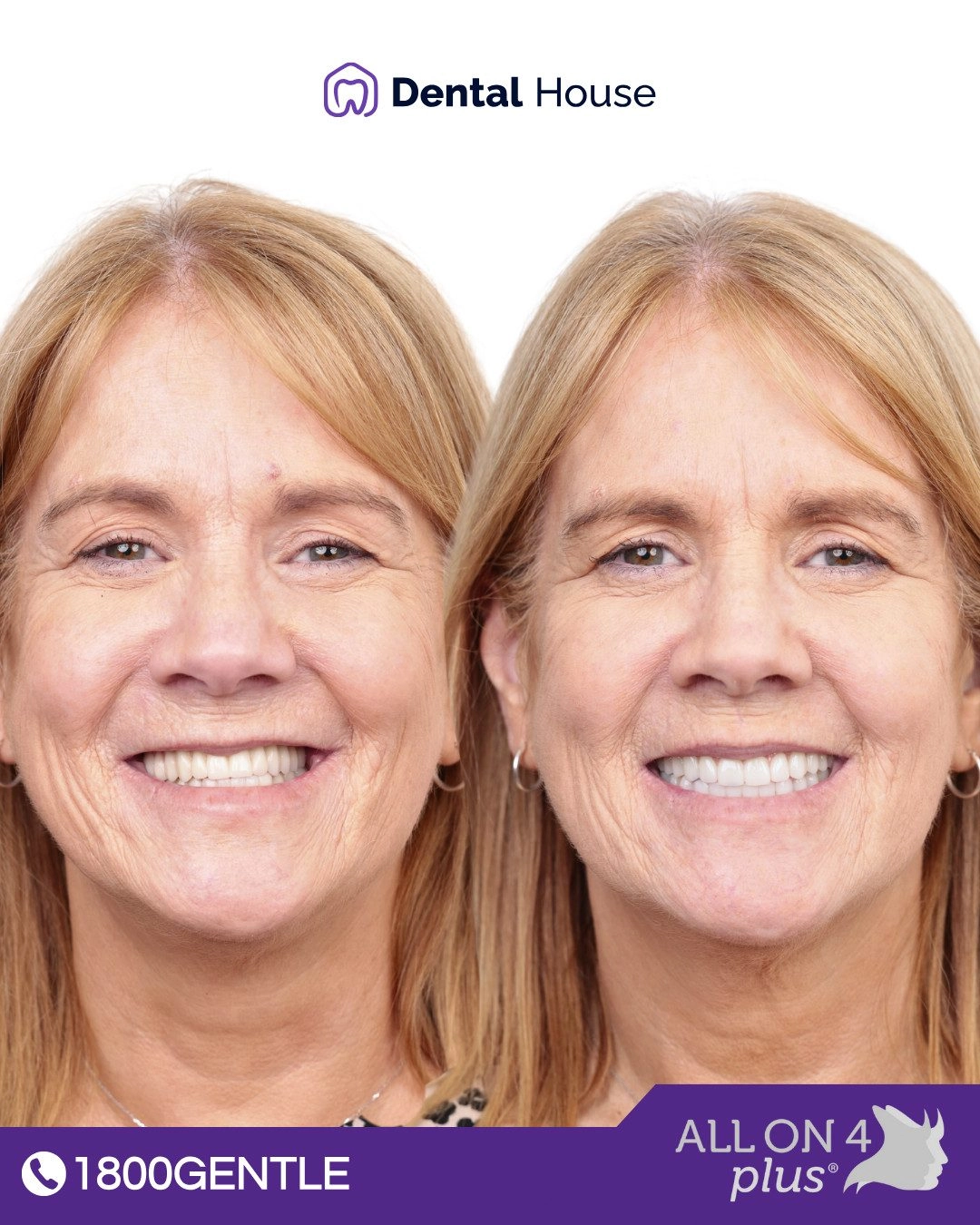
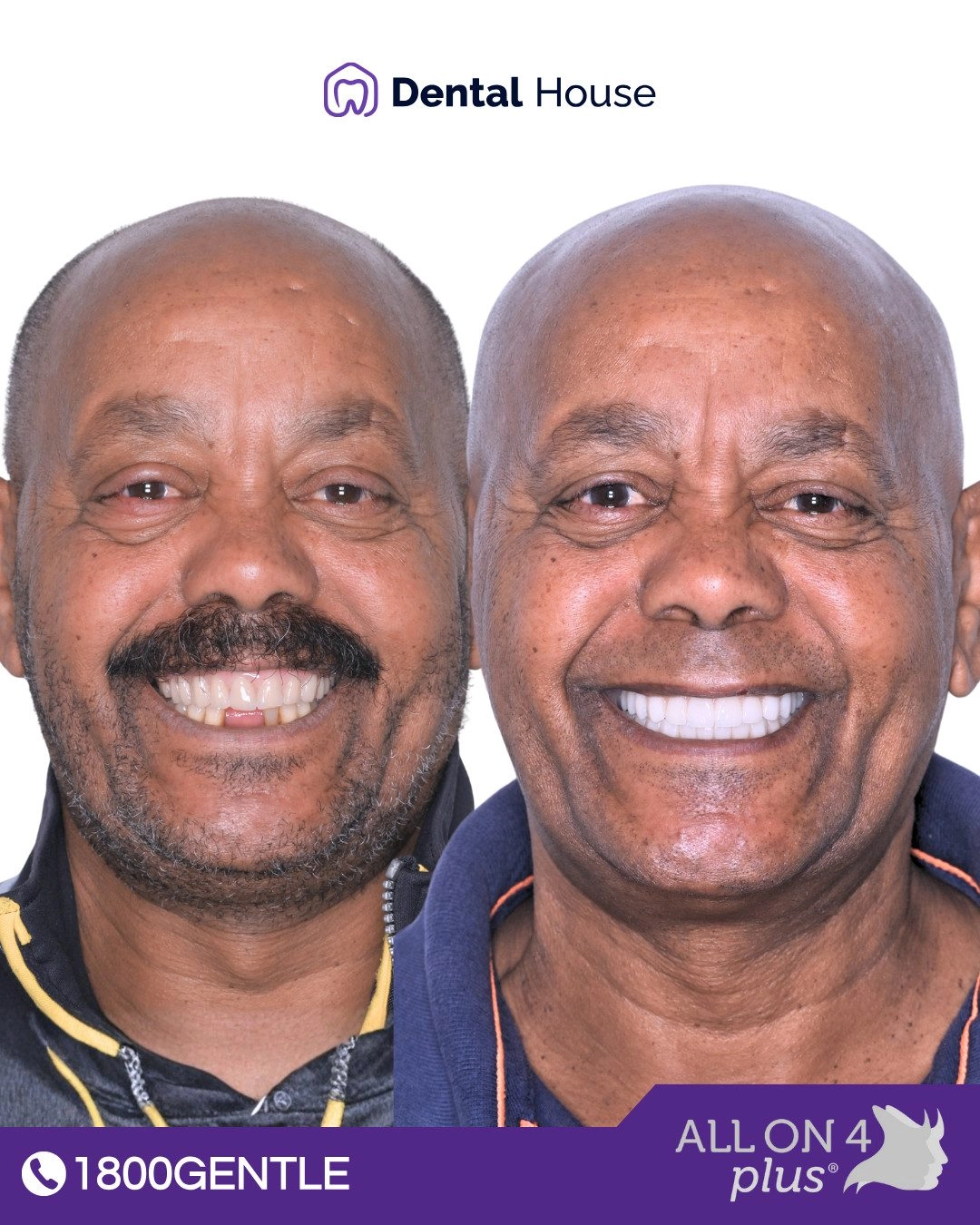
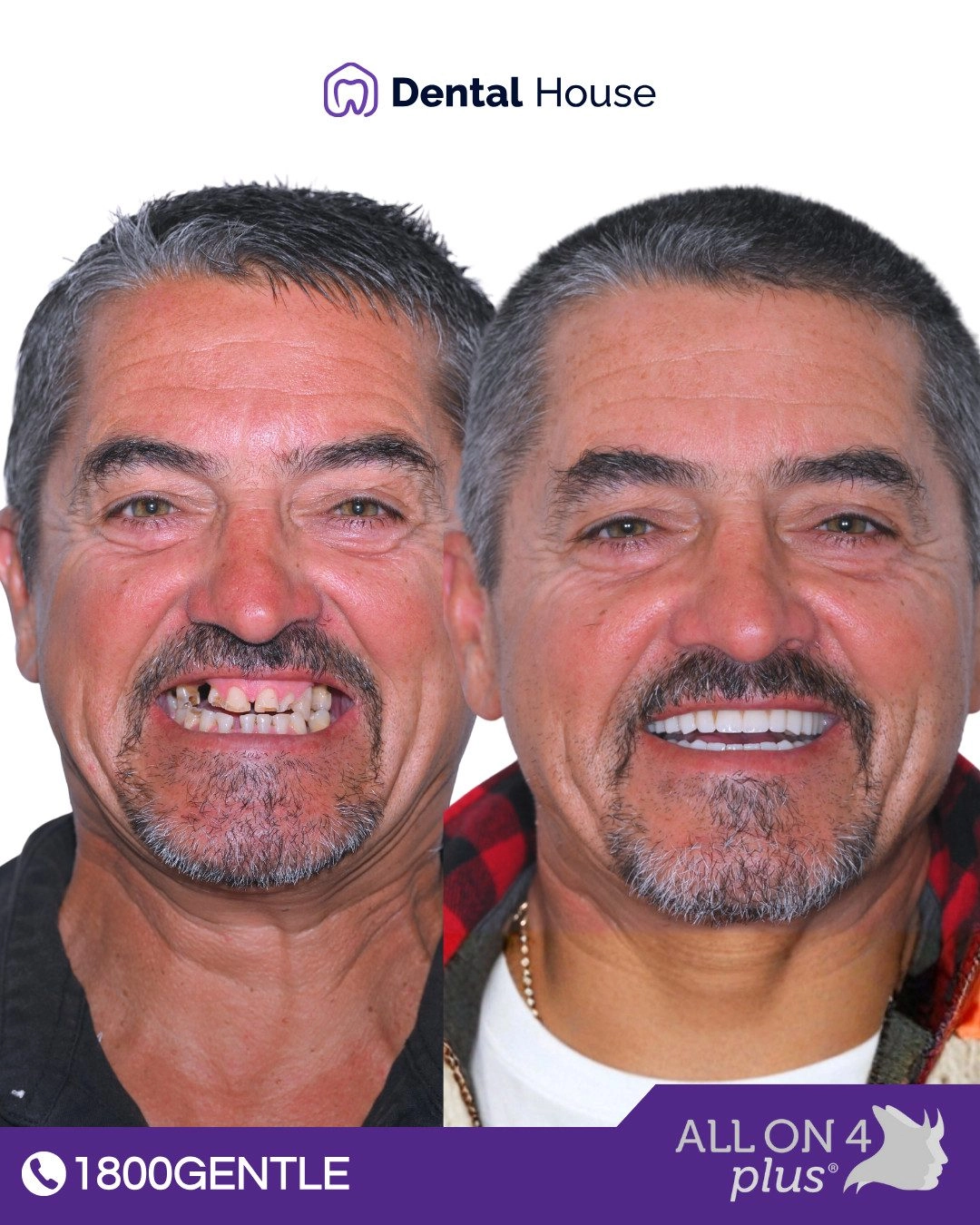
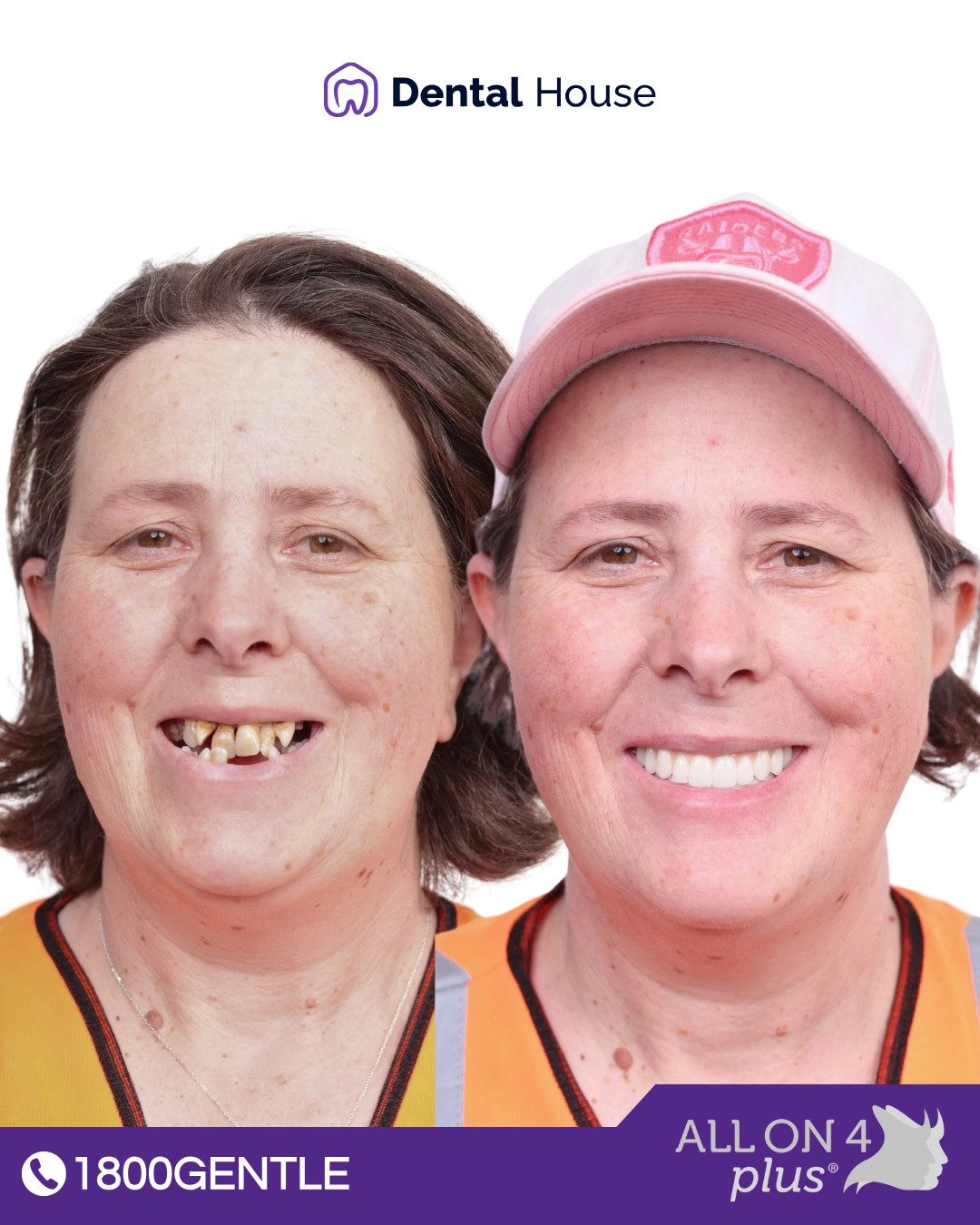
Can Porcelain Crowns Replace Discoloured Failed Restorations in Bacchus Marsh?
Case Note ID: Jan-2025-PCR
Location: Melton Dental House (serving Bacchus Marsh, Melton, Maddingley and surrounding areas)
Primary Treatments: Multiple porcelain crowns
Supporting Technology: Laboratory-fabricated ceramic crowns
Presenting Clinical Problem
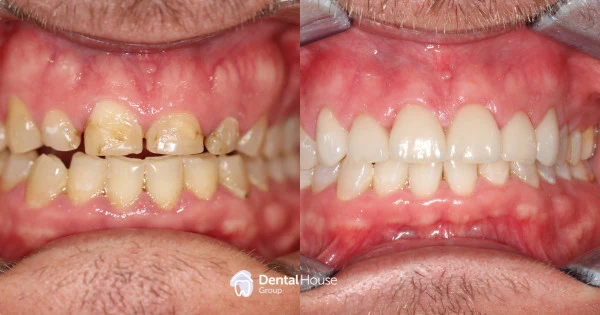
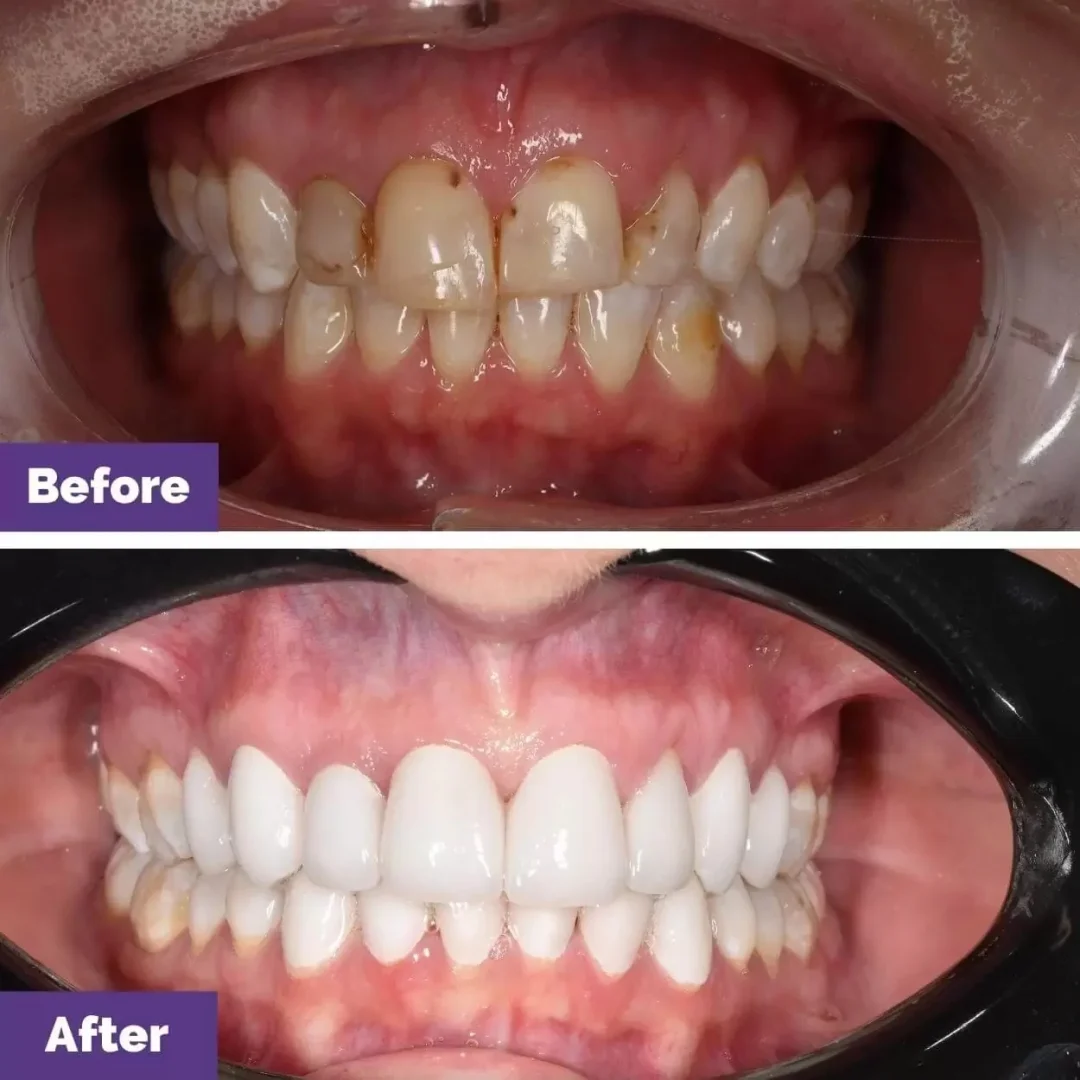
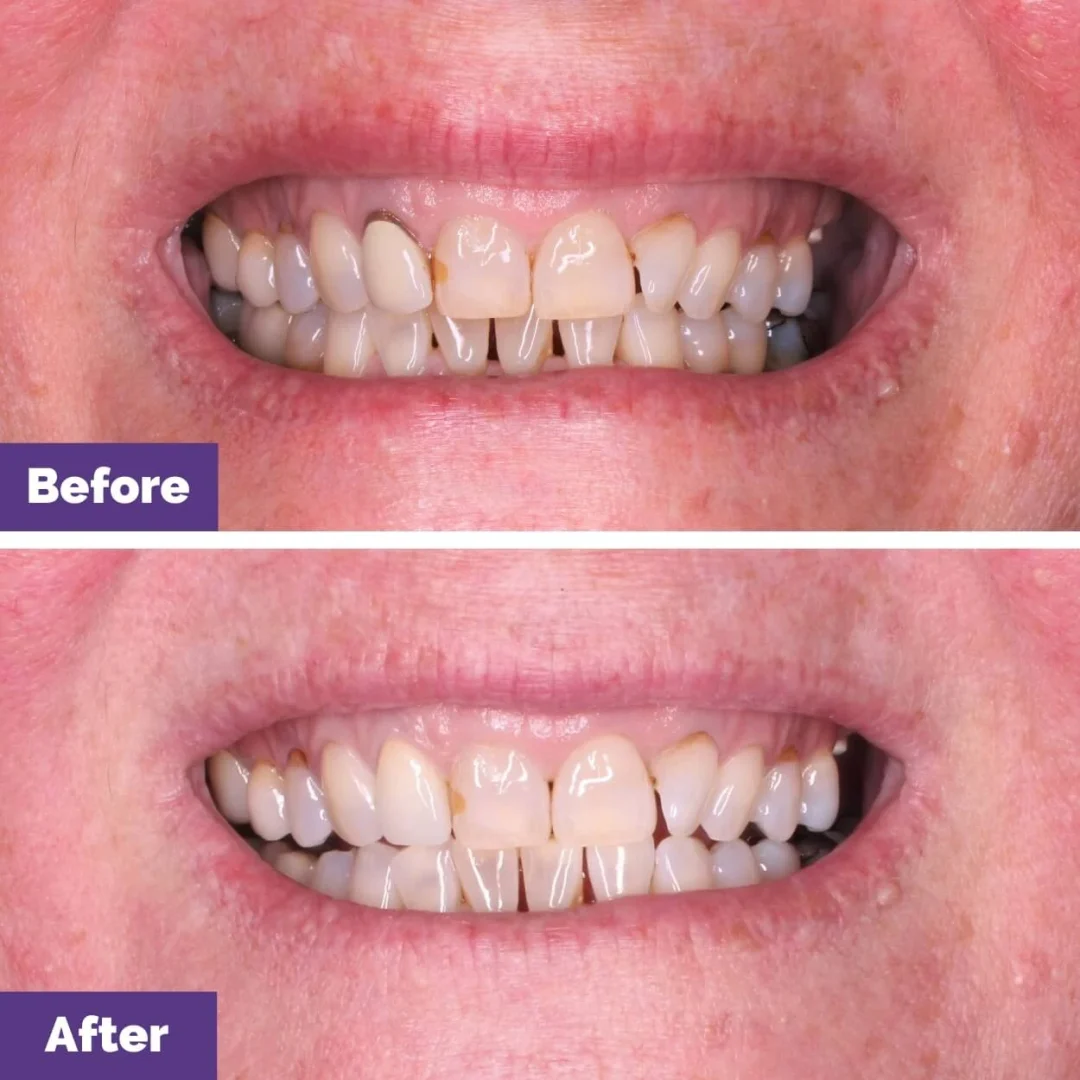
- Multiple existing restorations showing significant discolouration
- Plaque accumulation around old restoration margins
- Patient concerns about unhealthy appearance of existing dental work
- Assessment of underlying tooth structure beneath failing restorations
- Primary objective: Replace failing restorations with aesthetic porcelain crowns
Treatment Plan & Clinical Process
Phase 1: Assessment and Treatment Planning
- Comprehensive examination of existing restorations and tooth structure
- Radiographic evaluation to assess tooth integrity beneath restorations
- Discussion of crown materials and aesthetic expectations
- Assessment of bite relationships and opposing tooth contacts
- Treatment sequencing for multiple crown replacement
- Shade selection for natural aesthetic appearance
Phase 2: Crown Preparation Appointments
- Multiple preparation appointments (typically 2-3 teeth per visit)
- Removal of old restorations and evaluation of remaining tooth structure
- Crown preparation creating adequate space for porcelain thickness
- Precision impressions or digital scanning
- Temporary crown placement protecting prepared teeth
- Laboratory fabrication period between appointments (2-3 weeks)
Phase 3: Crown Placement and Finalisation
- Trial fitting of laboratory-fabricated crowns
- Shade and fit verification before permanent cementation
- Sequential permanent bonding of crowns
- Careful bite adjustment to ensure proper occlusal relationships
- Post-placement care instructions and maintenance protocols
- Follow-up appointments to assess comfort and function
- Overall treatment timeline approximately 3 months
Clinical Outcome
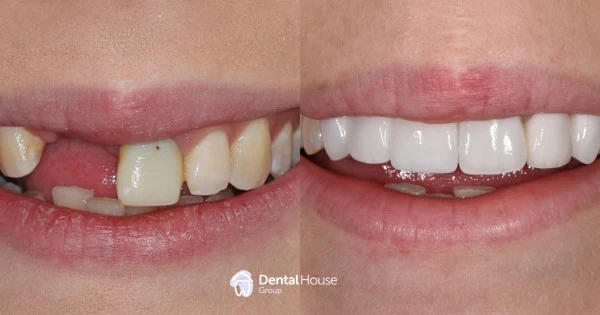
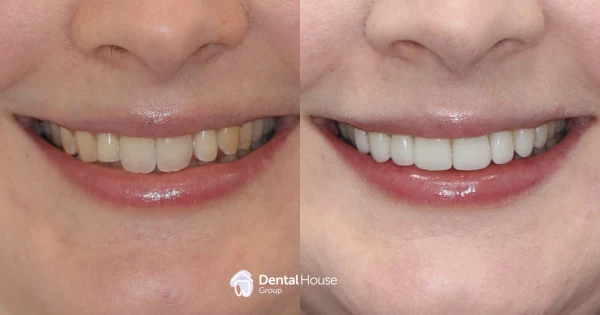
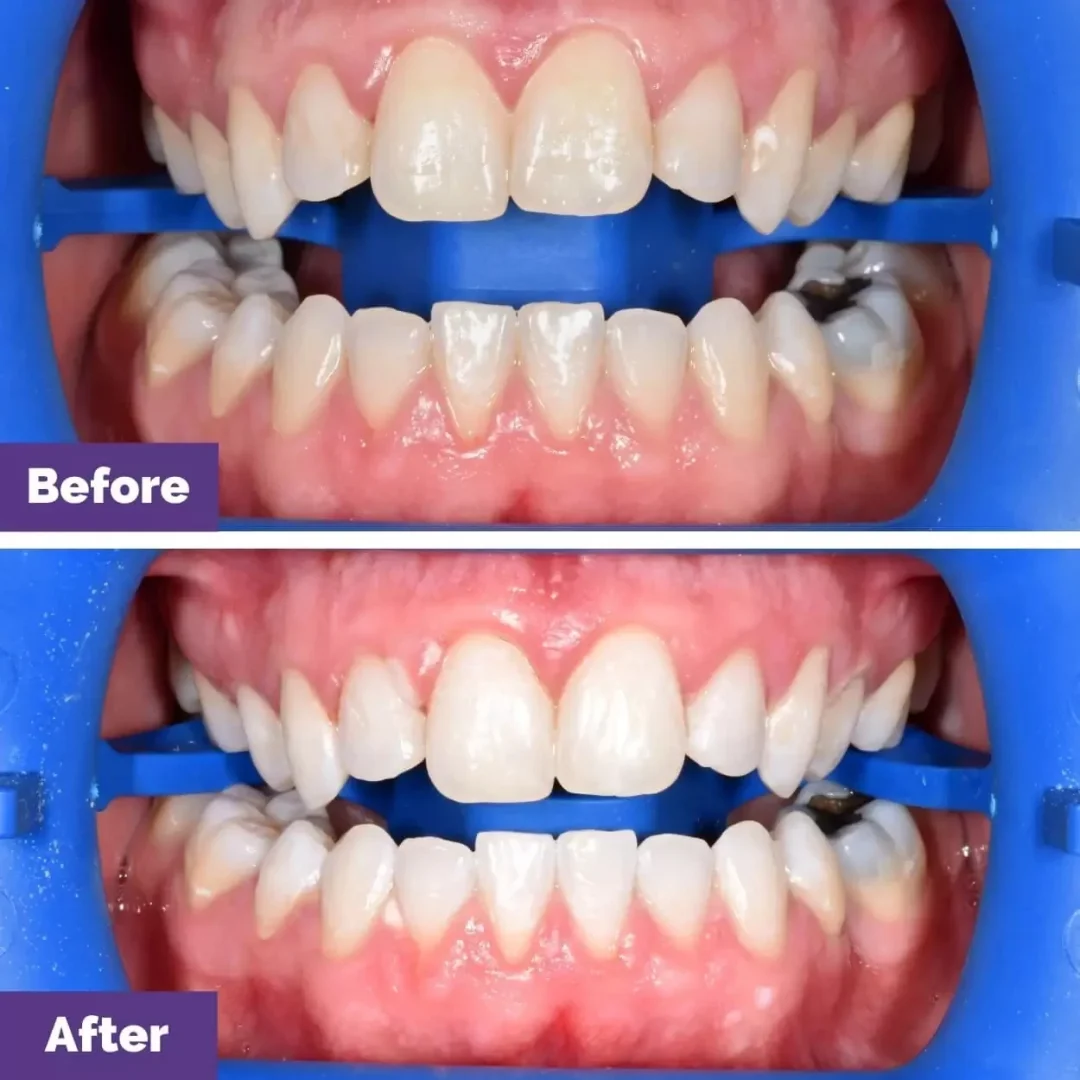
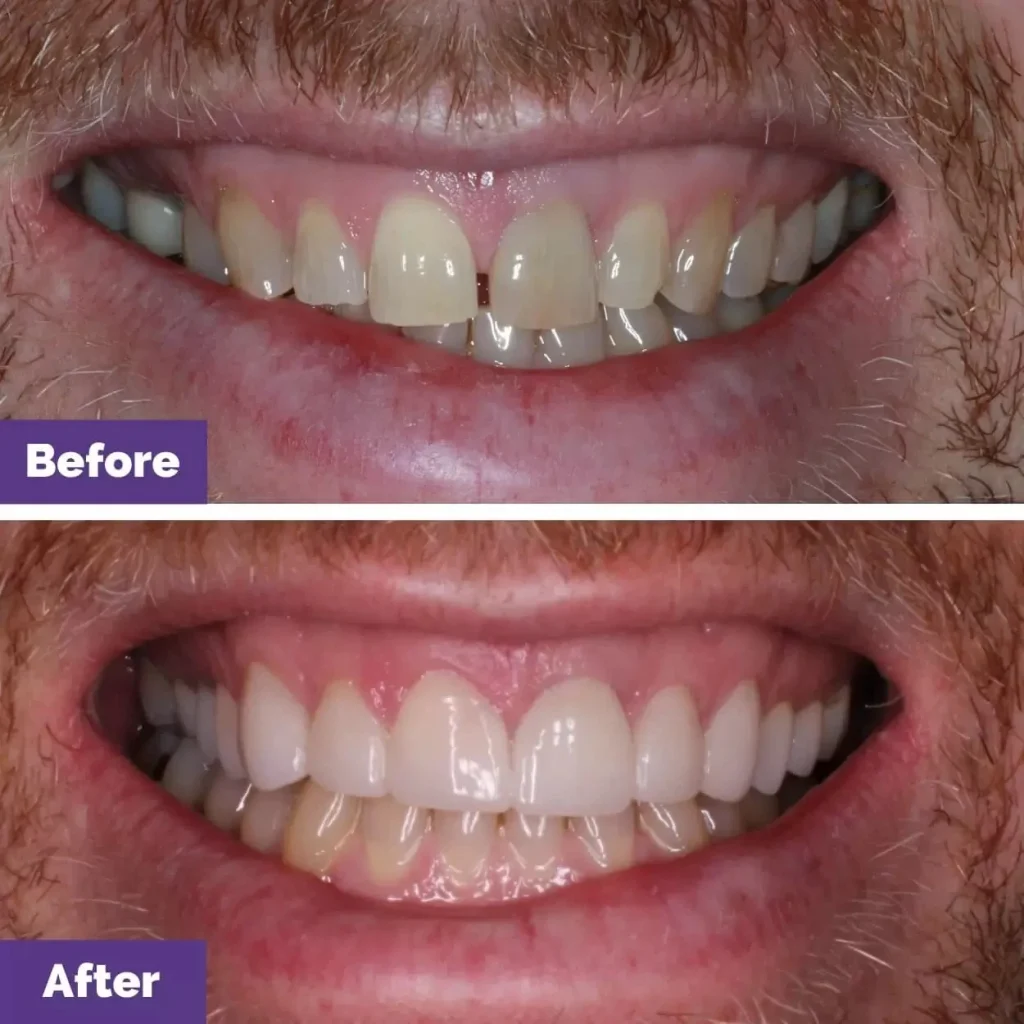
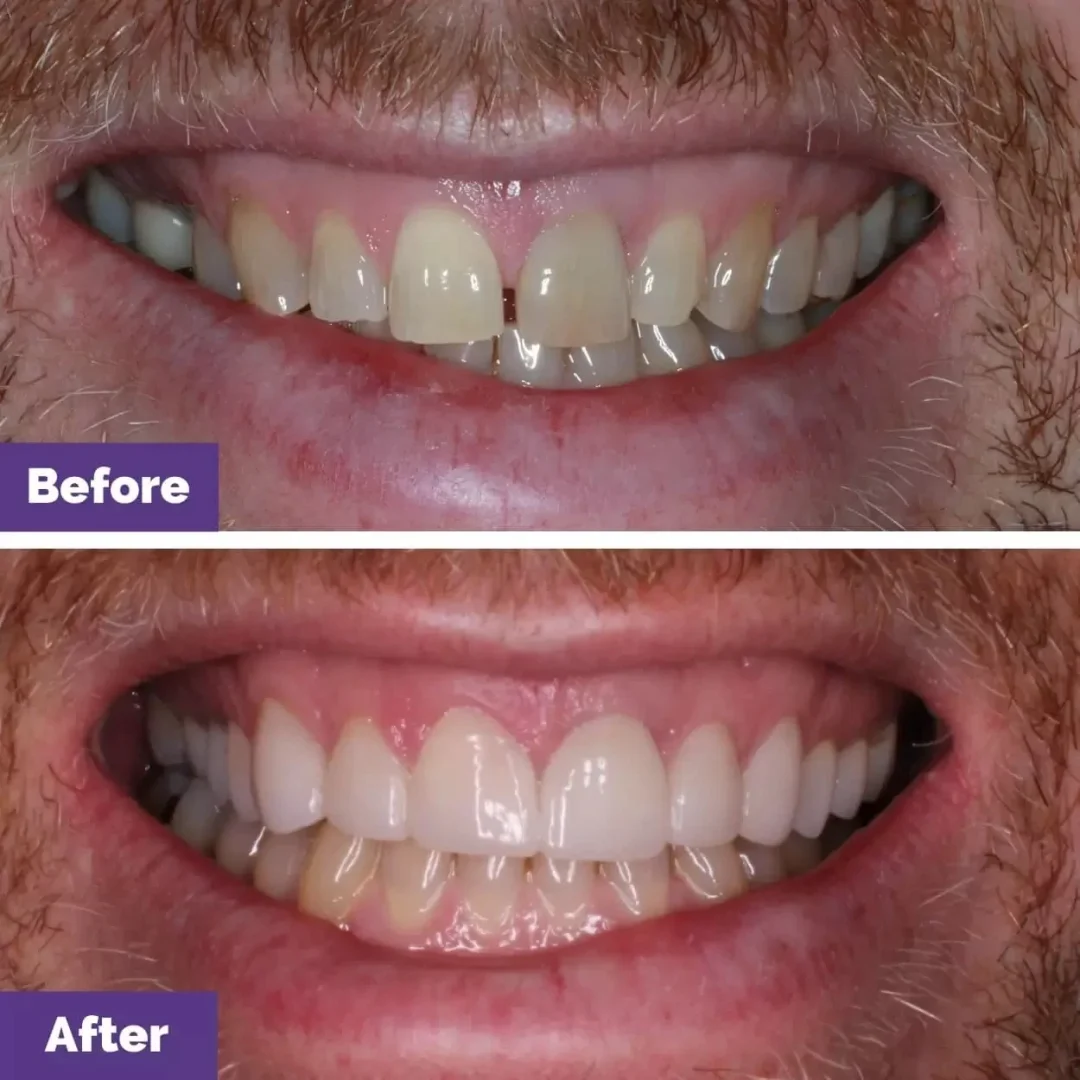
Eight porcelain crowns were placed over approximately three months to replace discoloured failing restorations. The phased approach allowed systematic completion whilst maintaining function throughout treatment. Porcelain crown material provides improved stain resistance and aesthetics compared to many older restoration materials.
Individual results vary and cannot be guaranteed. Multiple crown placement requires extended treatment time and significant financial investment. Crowns can chip, fracture or come loose over time, with typical longevity of 10-15 years. Maintaining multiple crowns requires excellent oral hygiene and regular professional care.
Frequently Asked Questions for Bacchus Marsh Patients
Why can’t all crowns be done in one appointment?
Attempting to prepare multiple teeth simultaneously would require extended anaesthesia time, create excessive trauma, and make temporary crown fabrication challenging. Phasing treatment allows better management of each stage and maintains comfort throughout. Most patients prefer 2-3 teeth prepared per appointment.
How long do porcelain crowns last?
Typical crown longevity ranges 10-15 years, though some last longer and others require earlier replacement. Factors affecting lifespan include bite forces, grinding habits, oral hygiene quality, and initial tooth structure quality. Regular professional monitoring helps identify potential problems early.
Will the crowns look natural?
Modern porcelain materials can achieve excellent natural appearance when properly fabricated and placed. However, crowns typically appear slightly different from natural teeth upon close inspection. The goal is aesthetically pleasing appearance that blends with facial features, not perfect replication of natural teeth.
Give us a call at +61 3 8798 9798 or contact us by submitting the enquiry form below. We will be happy to help.