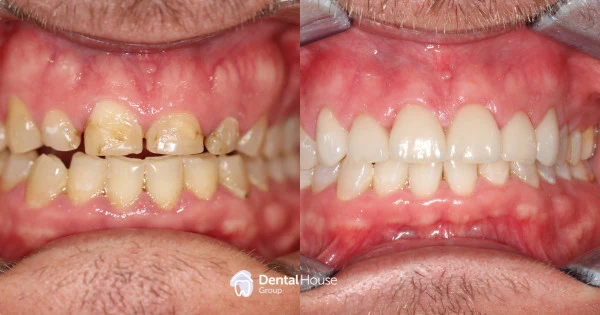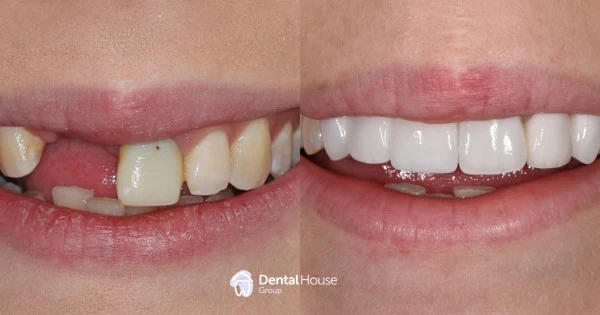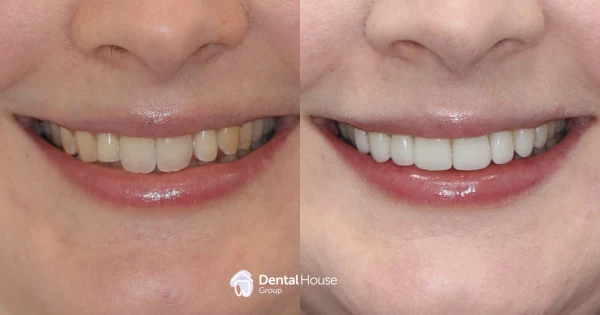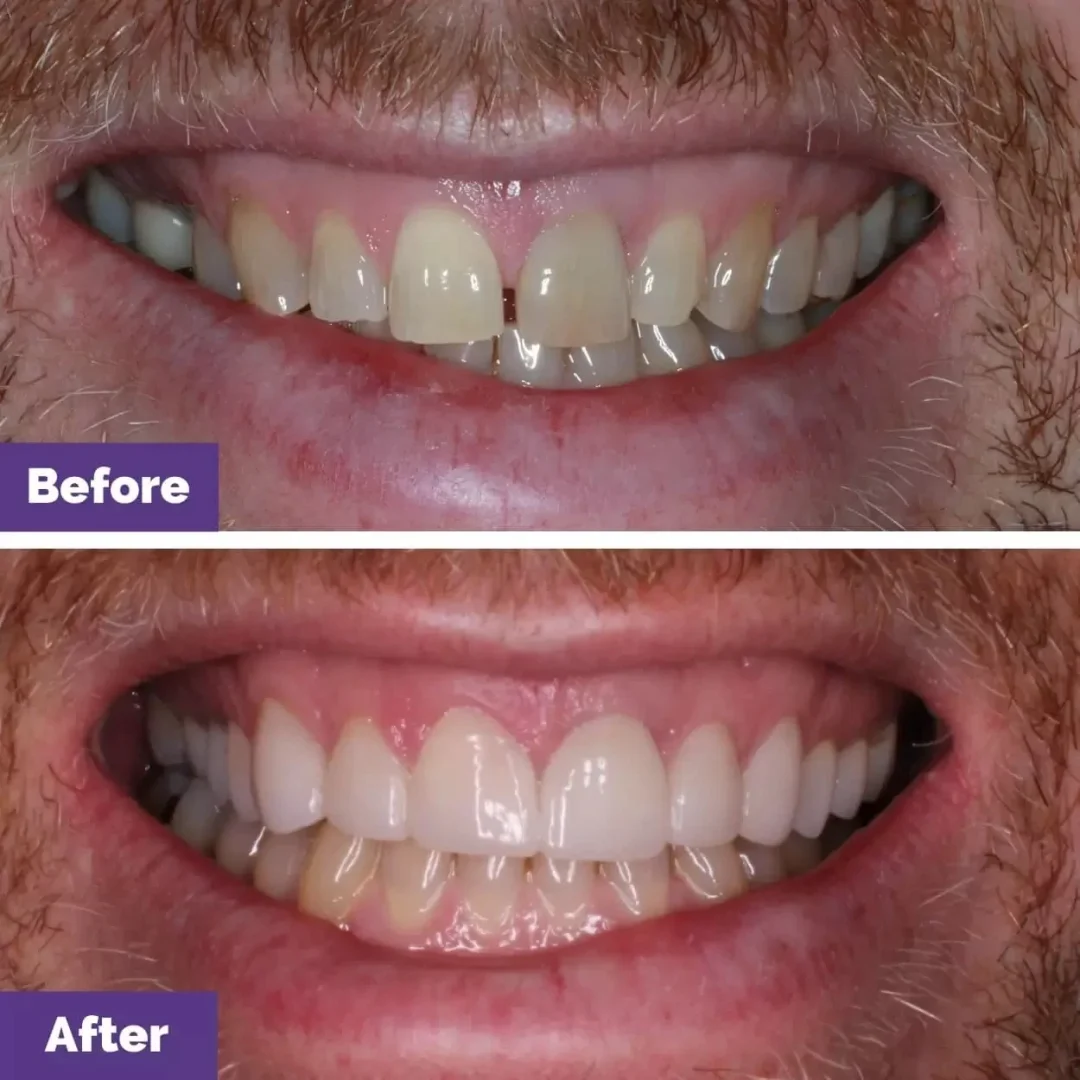
Are Porcelain Veneers Effective for Uneven and Discoloured Teeth in Sunbury?
Case Note ID: Dec-2024-PV
Location: Melton Dental House (serving the Sunbury and surrounding areas)
Primary Treatments: Porcelain veneers
Supporting Technology: Digital smile design, custom laboratory-fabricated porcelain
Presenting Clinical Problem
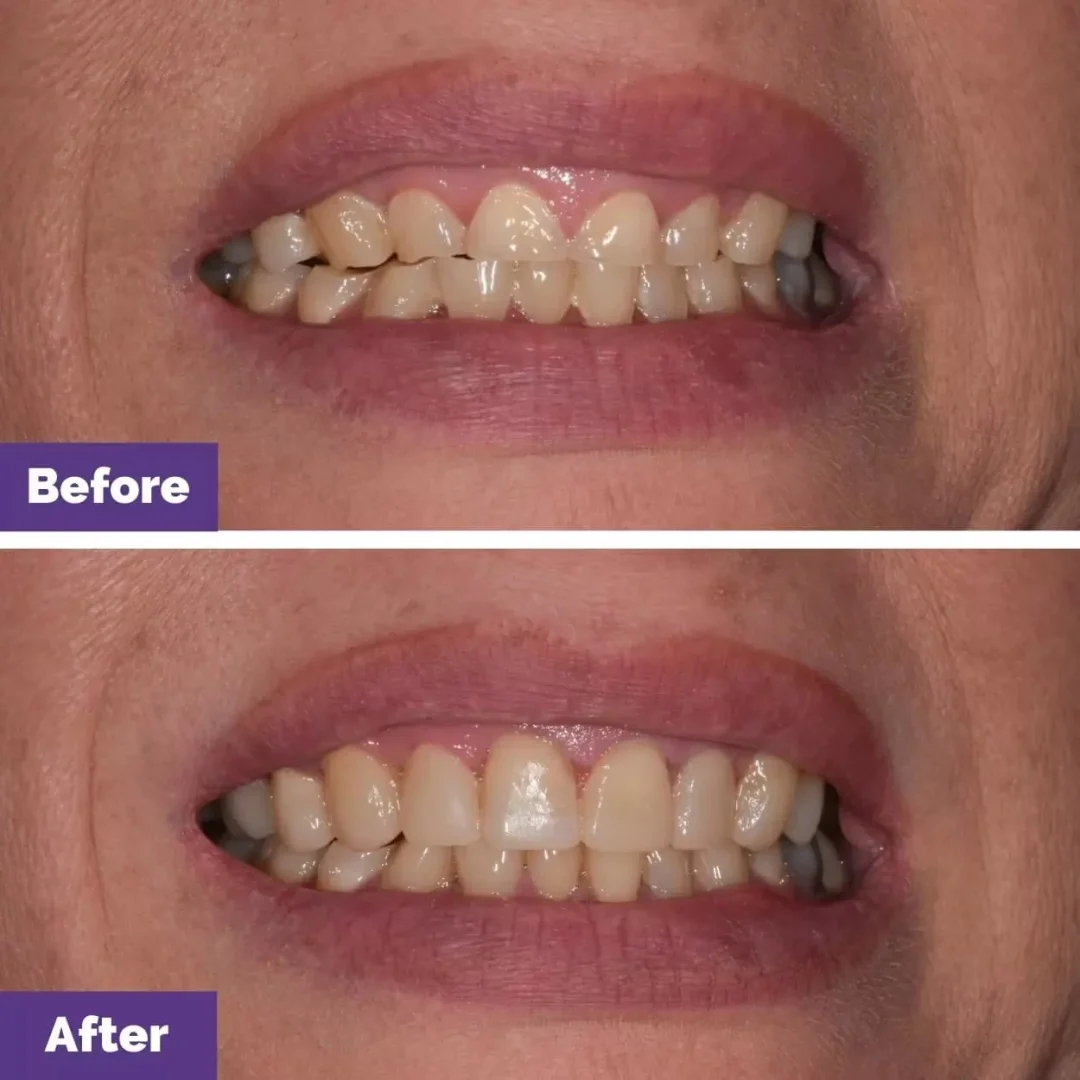
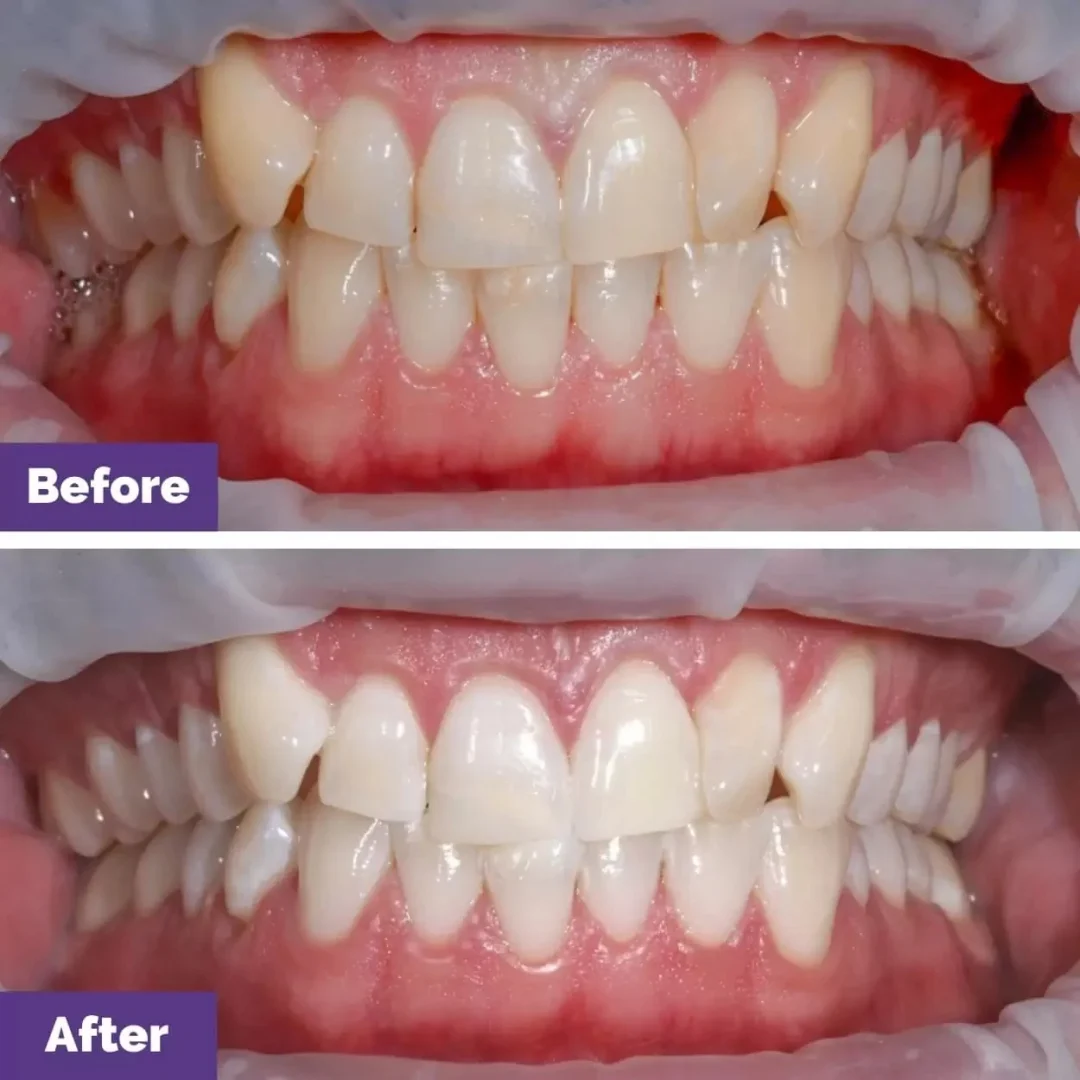
- Generalised tooth discolouration affecting aesthetic appearance
- Existing stained composite restorations requiring replacement
- Variation in tooth size and shape creating visual disharmony
- Patient concerns regarding long-term aesthetic improvement
- Primary objective: Improve tooth colour, shape and proportion through conservative approach
Treatment Plan & Clinical Process
Phase 1: Assessment and Design Planning
- Comprehensive examination of tooth structure and existing restorations
- Evaluation of occlusal relationships and bite stability
- Digital smile design to visualise potential outcomes
- Shade selection and customisation planning
- Discussion of veneer limitations and maintenance requirements
Phase 2: Tooth Preparation and Temporisation
- Conservative enamel preparation to accommodate porcelain thickness
- Removal of existing stained restorations
- Precision impression techniques or digital scanning
- Shade verification under multiple lighting conditions
- Temporary veneers during laboratory fabrication period
Phase 3: Veneer Bonding and Finalisation
- Trial fitting to verify shade, shape and fit
- Tooth surface preparation for optimal bonding
- Permanent cementation using appropriate resin systems
- Removal of excess cement and margin refinement
- Occlusal adjustment and post-placement care instructions
Clinical Outcome
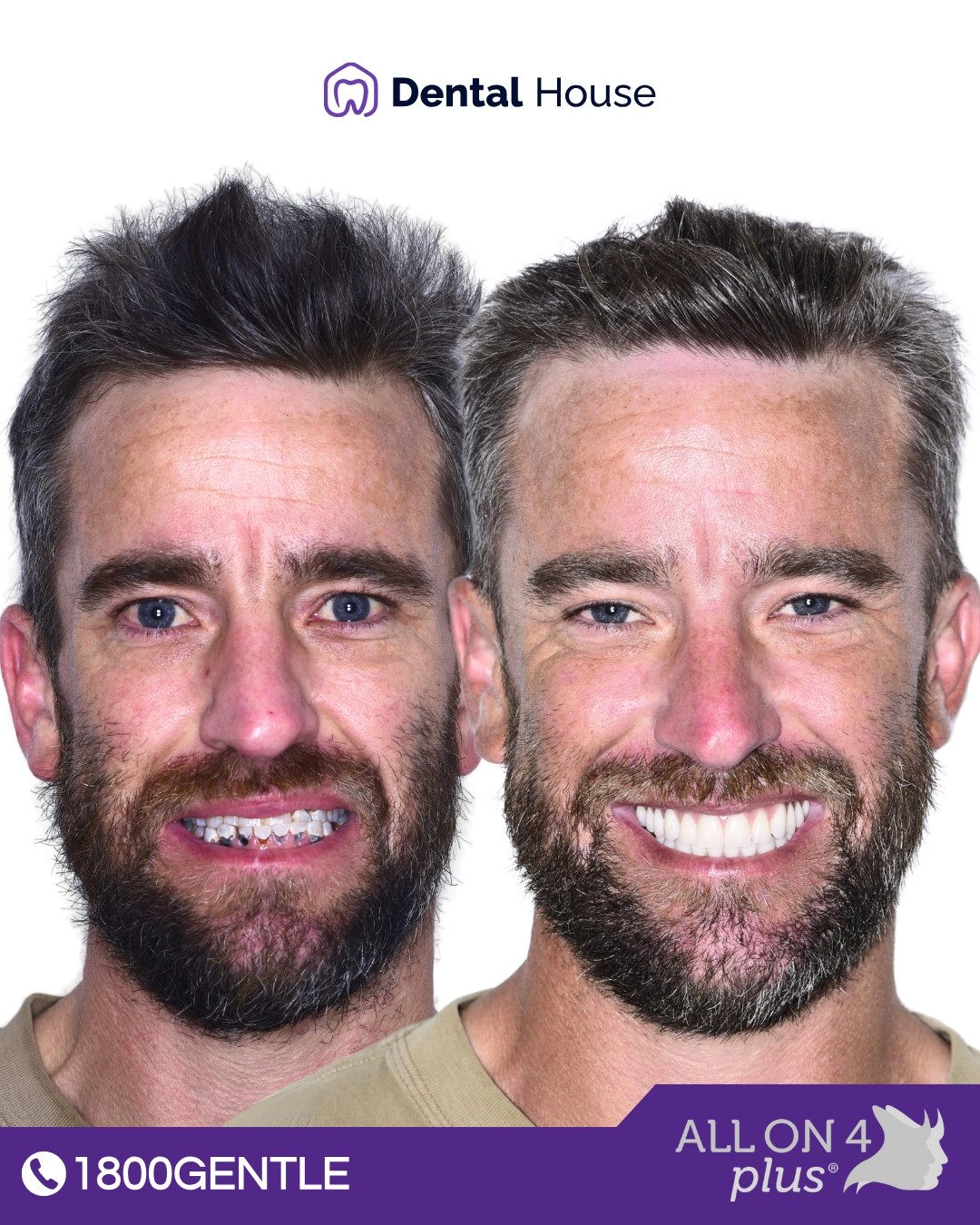
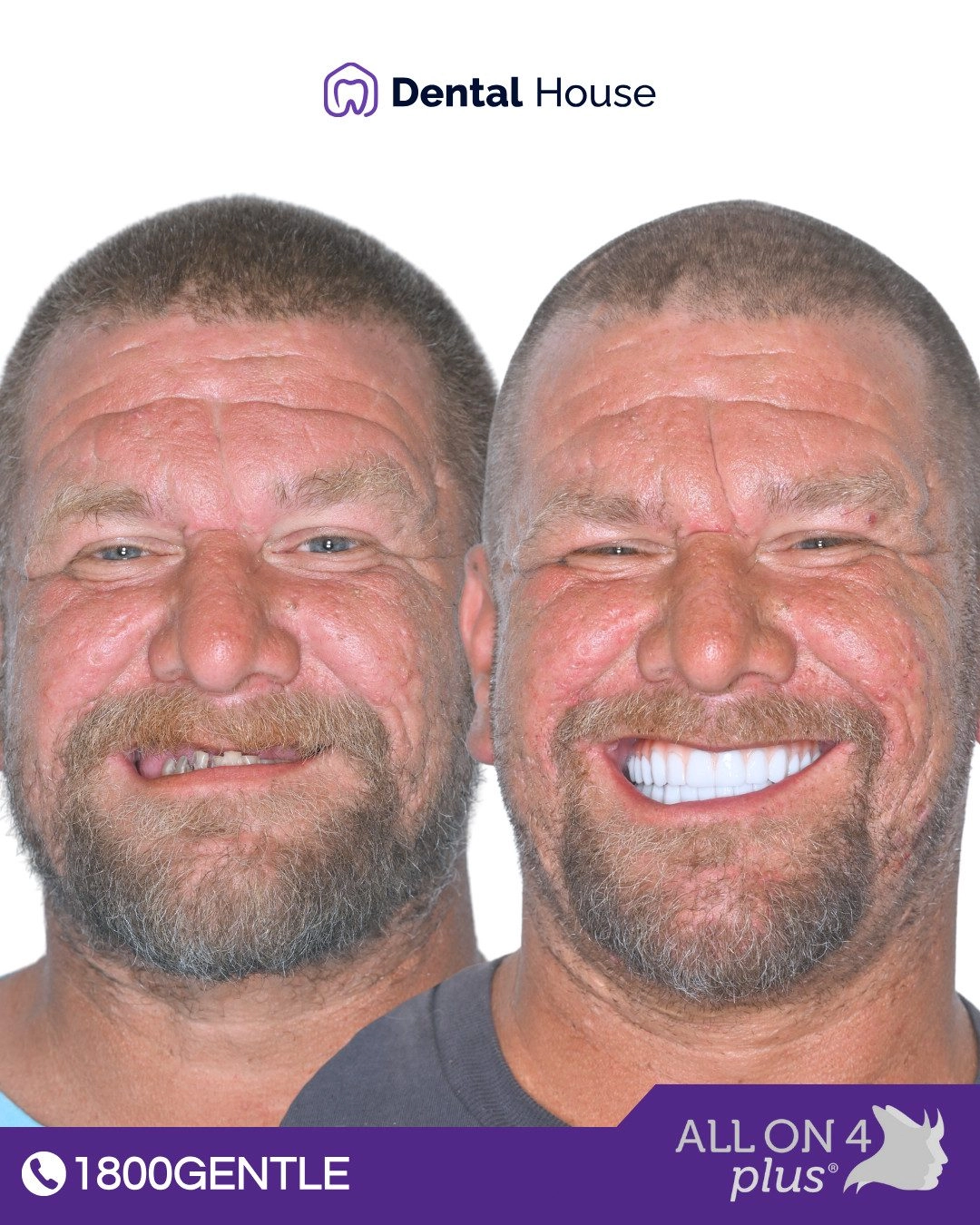
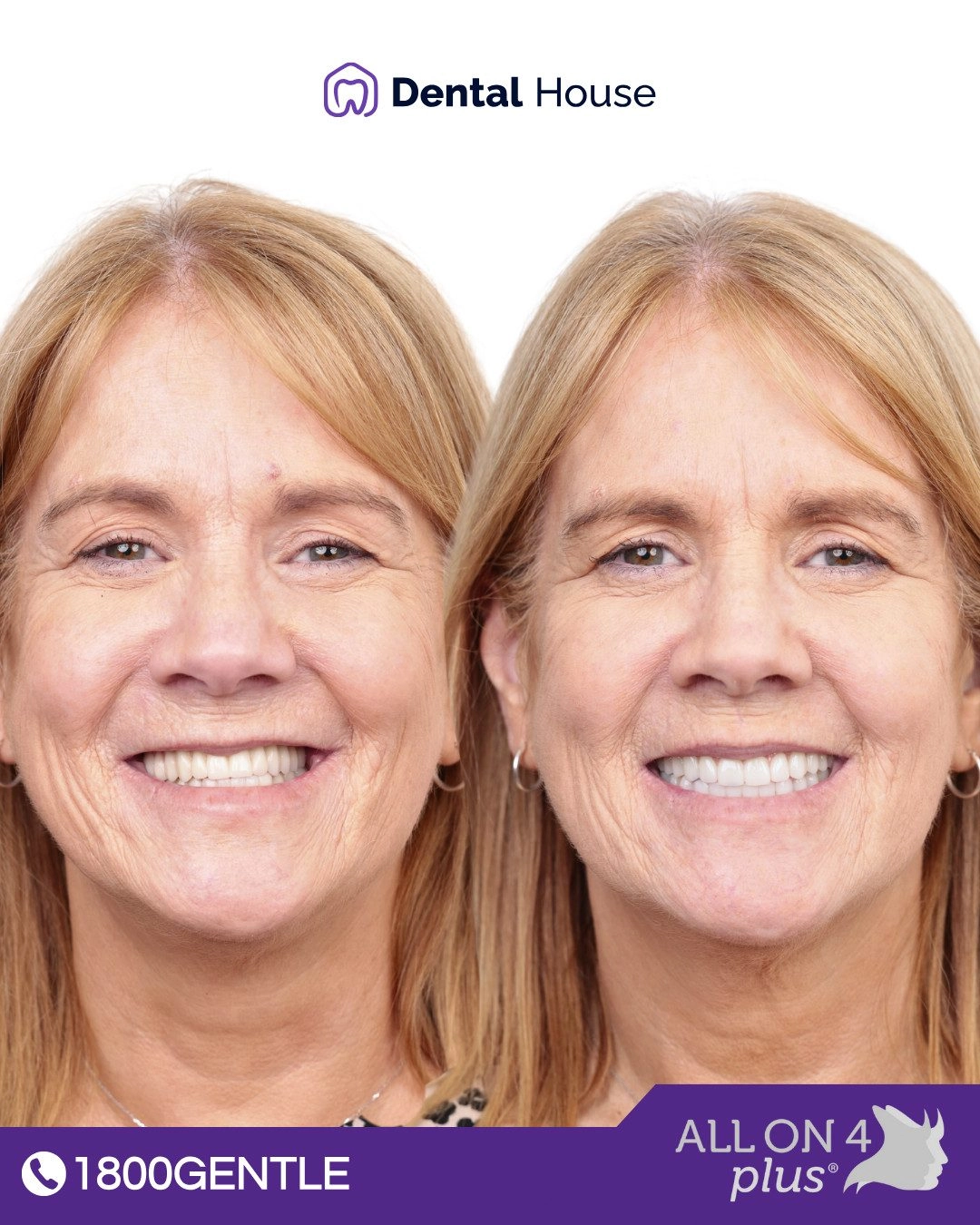
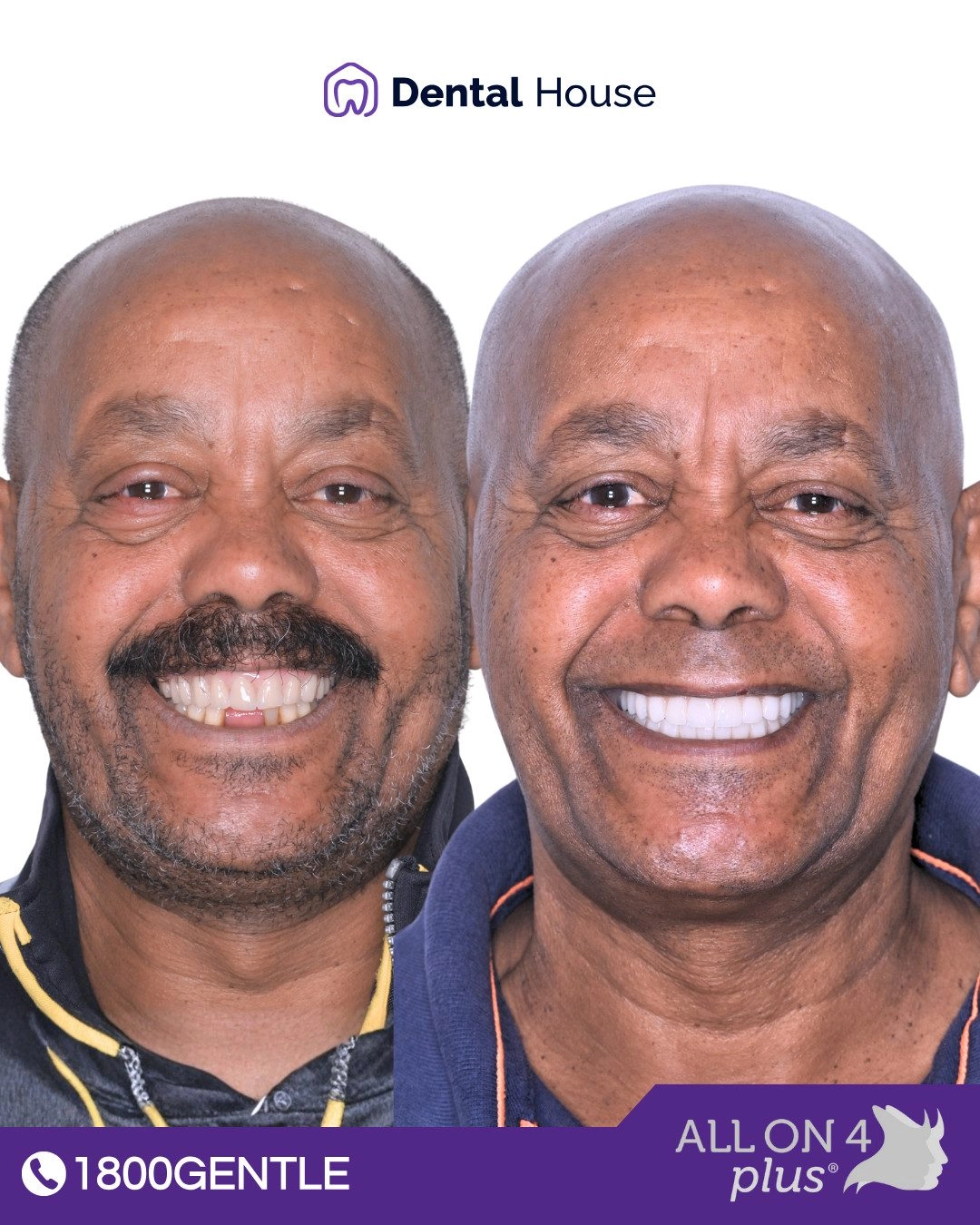
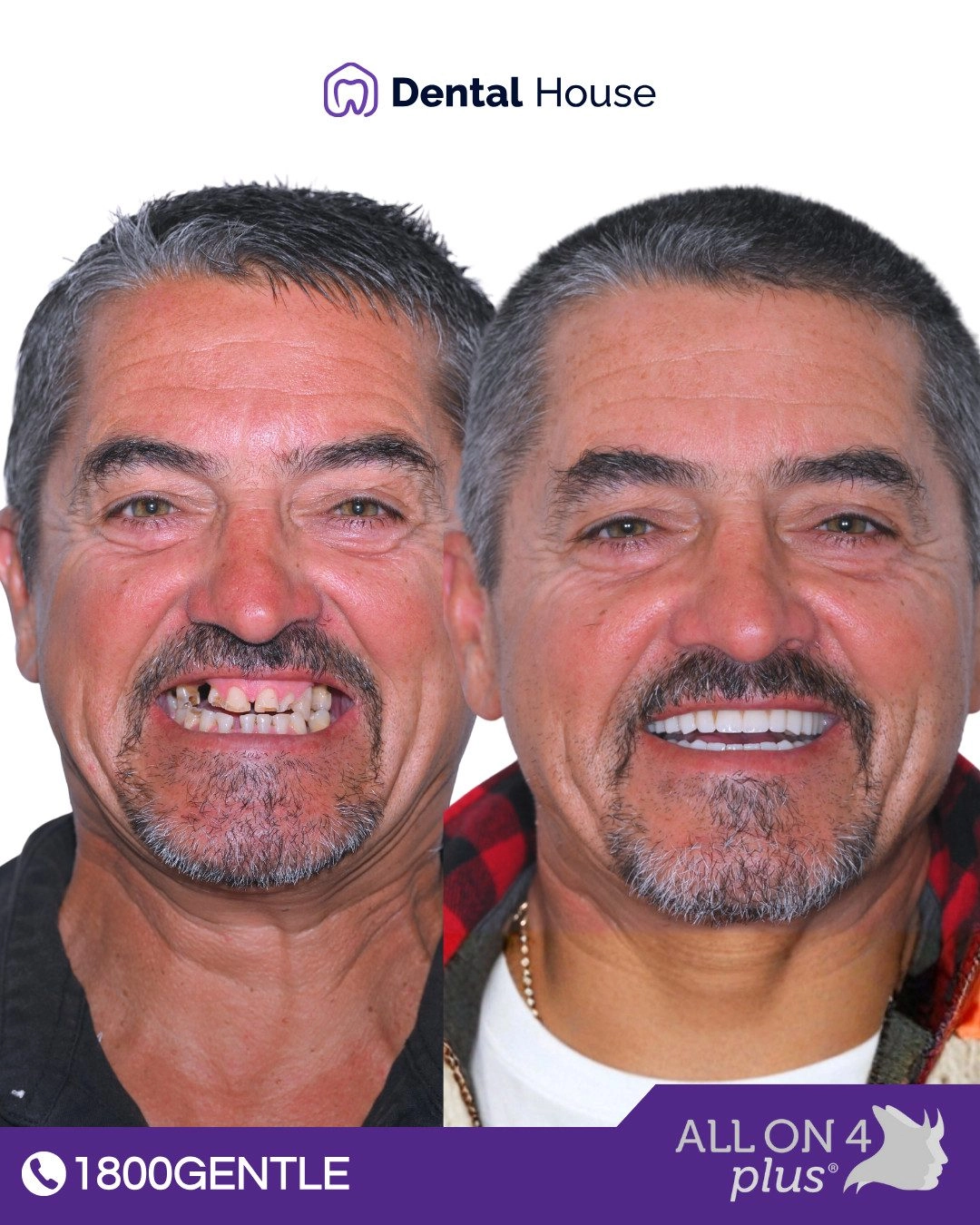
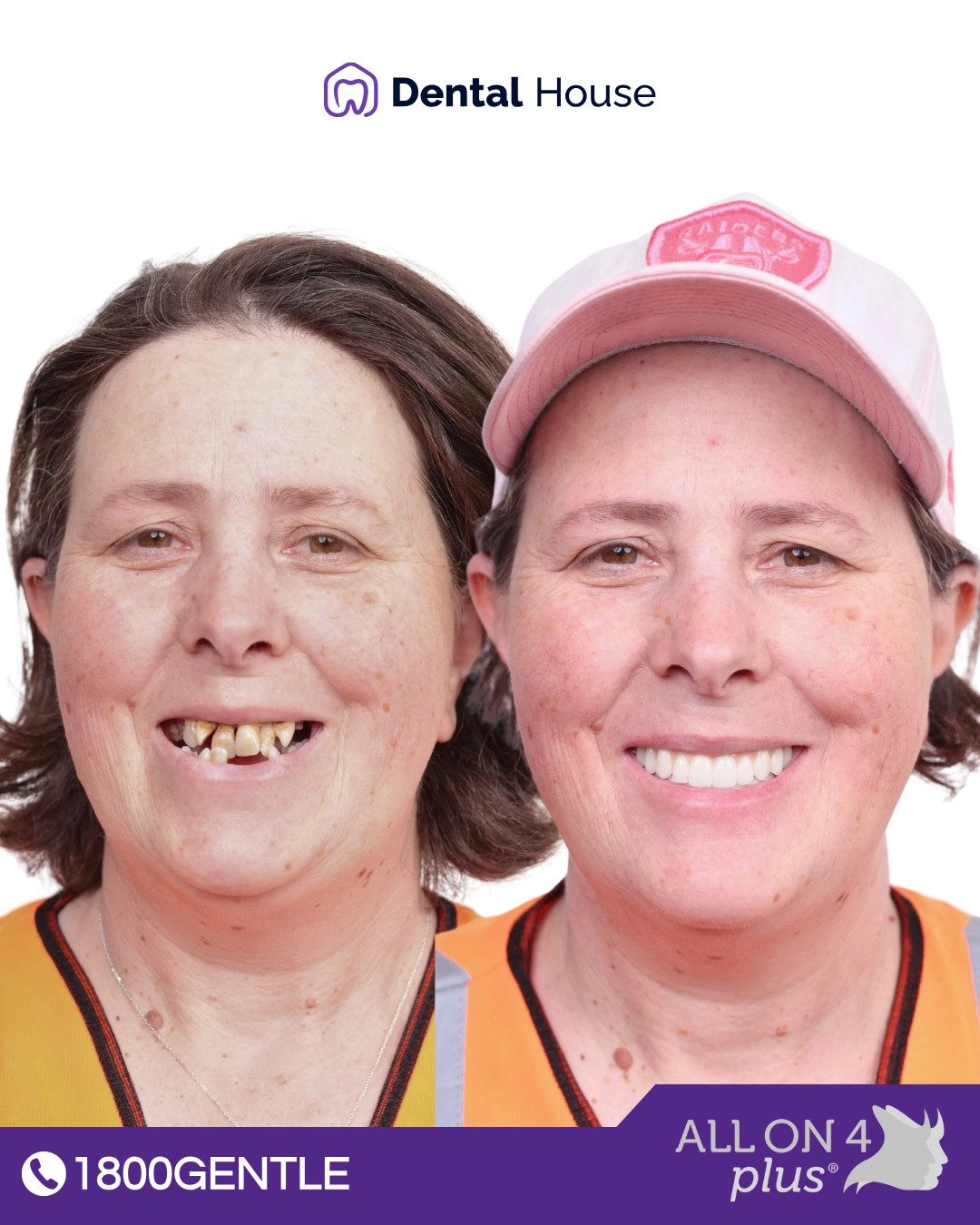
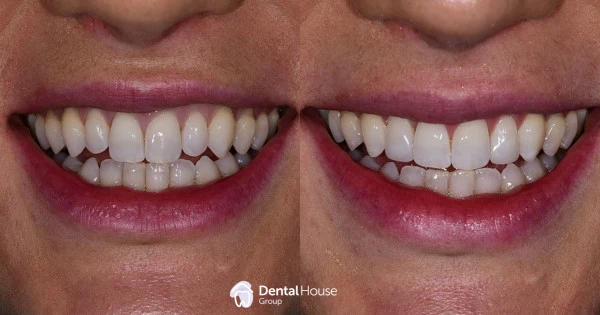
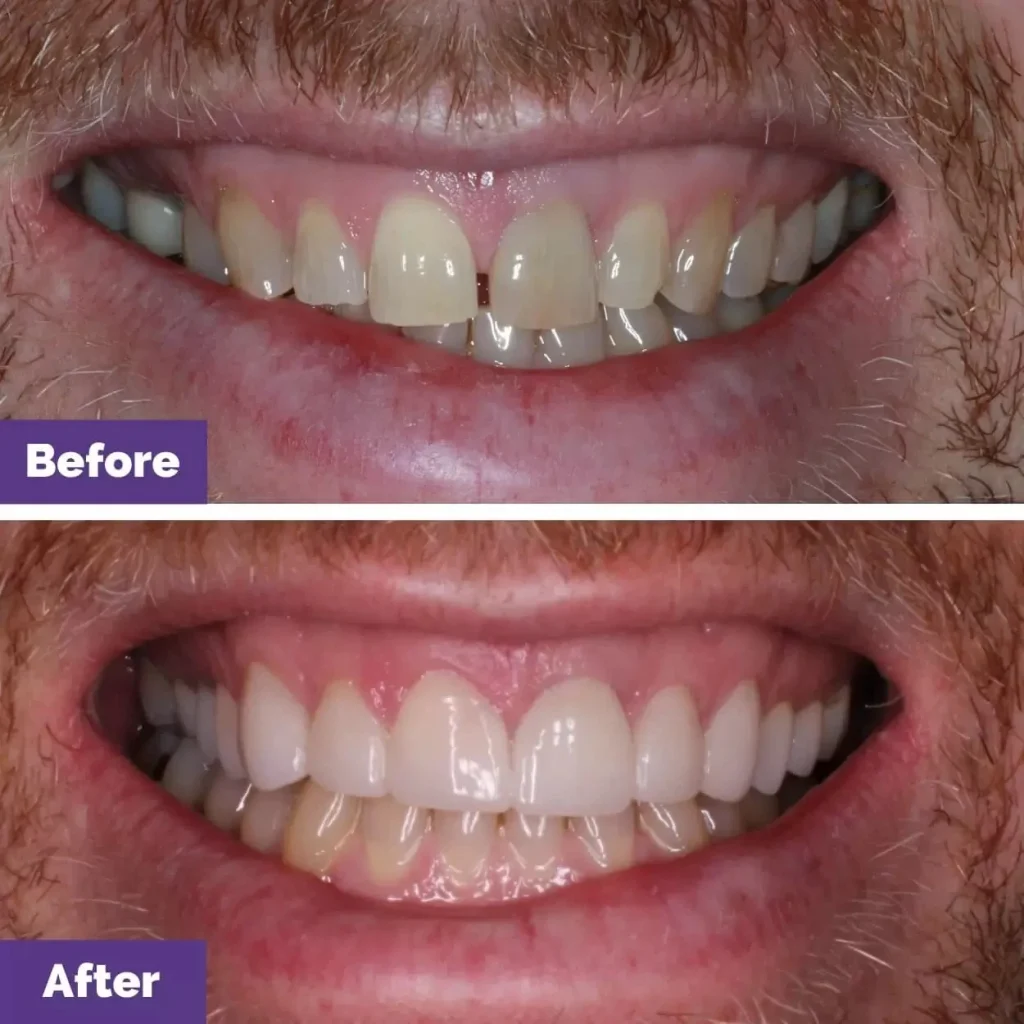
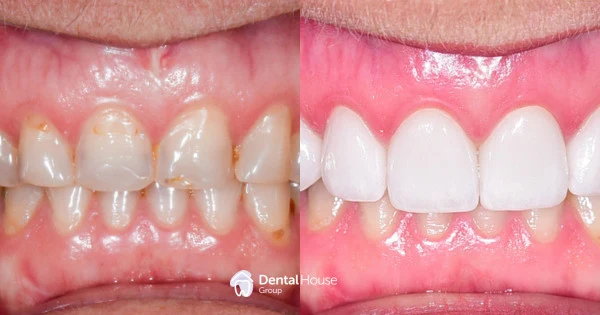
Multiple porcelain veneers were placed to address colour, shape and proportion concerns. The treatment involved conservative tooth preparation to preserve enamel structure whilst accommodating porcelain material thickness. Final aesthetics depend on numerous factors including tooth preparation design, material selection and laboratory fabrication quality.
Individual responses to veneer treatment vary significantly. Treatment outcomes cannot be guaranteed. Veneers require irreversible tooth preparation in most cases, meaning teeth will always require coverage. Porcelain veneers can chip, fracture or debond over time, with typical longevity ranging from 10-15 years though outcomes vary considerably. Not all aesthetic concerns can be fully addressed through veneers alone, particularly severe discolouration or significant tooth malposition.
Frequently Asked Questions for Sunbury Patients
Do porcelain veneers stain over time?
Porcelain itself is highly stain-resistant. However, the bonding cement at veneer margins can discolour over time, particularly with exposure to staining substances. Maintaining excellent oral hygiene and avoiding excessive consumption of coffee, tea and red wine helps minimise marginal staining. Regular professional cleaning is recommended.
Can veneers be removed if I’m not satisfied?
Veneers typically require irreversible tooth preparation by removing a thin layer of enamel. Once prepared, teeth permanently require coverage with veneers or alternative restorations. Dissatisfaction with veneer aesthetics may require veneer replacement rather than removal. This emphasises the importance of thorough planning and communication before treatment.
What is the difference between porcelain and composite veneers?
Porcelain veneers are laboratory-fabricated and offer superior stain resistance, durability and aesthetics but require multiple appointments and higher cost. Composite veneers can be completed in single appointments at lower cost but are more prone to staining, chipping and wear. Porcelain typically lasts longer (10-15 years versus 5-7 years for composite).
Give us a call at +61 3 8798 9798 or contact us by submitting the enquiry form below. We will be happy to help.