Dental anxiety affects a significant portion of the population, with many patients avoiding necessary dental care due to fear or discomfort. Sleep dentistry, encompassing various levels of sedation, has evolved to address different patient needs and anxiety levels, making dental treatment accessible for those who might otherwise avoid care.
According to the Australian Dental Association, sedation dentistry may help patients with varying degrees of anxiety receive necessary dental treatment in a more comfortable environment. Different sedation levels are available to match individual patient requirements, medical histories, and treatment complexities.
Understanding how different sedation options work and which patients they may suit helps individuals make informed decisions about their dental care approach. Sedation dentistry represents several options available to address patient comfort needs.
Understanding Sedation Levels
Minimal sedation involves light relaxation where patients remain fully conscious and able to respond normally to verbal commands. Nitrous oxide (laughing gas) is commonly used, providing quick onset and rapid recovery.
Moderate sedation produces deeper relaxation whilst maintaining consciousness and the ability to respond to verbal stimulation. Sedation dentistry typically falls into this category, using prescribed medications to achieve relaxation.
Deep sedation brings patients to the edge of consciousness, where they may not respond readily to verbal commands. IV sedation can provide either moderate or deep sedation depending on medication dosage, allowing for precise control.
Oral Sedation: Ease and Effectiveness
Sedation dentistry through oral medication involves taking prescribed medications by mouth, typically 30-60 minutes before the dental appointment. Common medications include benzodiazepines that produce calming effects by enhancing GABA neurotransmitter activity.
Oral sedation may be appropriate for patients with moderate dental anxiety, difficulty sitting still for extended periods, strong gag reflexes, or those needing multiple procedures in one visit.
Oral sedation offers ease of administration with no needles required and relatively quick onset. However, patients require escort transportation home as medications may impair driving ability for several hours.
IV Sedation: Precision and Control
Intravenous sedation involves administering sedative medications directly into the bloodstream through a small IV line. This method allows for precise dose control and rapid onset of effects, typically within minutes.
IV sedation can provide either moderate or deep sedation depending on medication selection and dosage. This flexibility allows customisation to individual patient needs and procedure requirements, with continuous monitoring ensuring patient safety.
IV sedation may be suitable for patients requiring precise sedation control during complex procedures, deeper sedation levels than oral medications can provide, or management of severe dental anxiety. Patients require escort transportation and may need extended recovery time.
Nitrous Oxide and Patient Matching
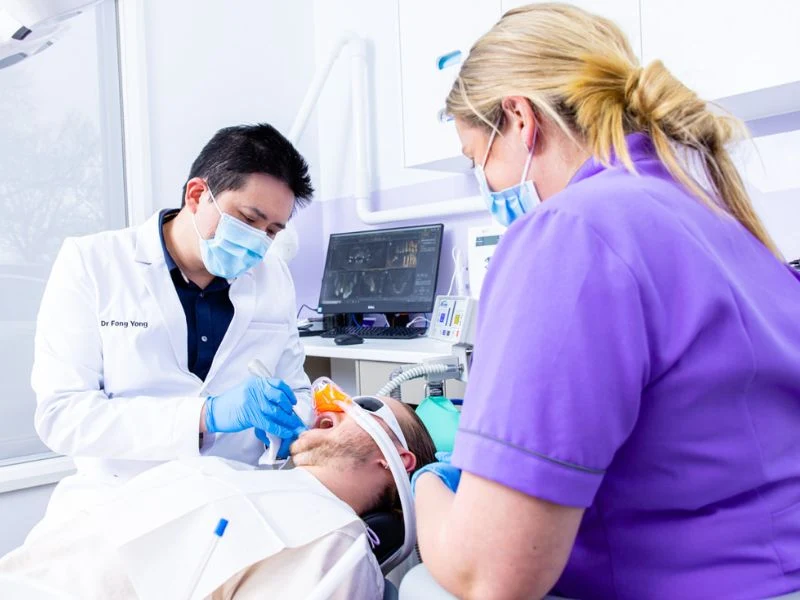
Nitrous oxide provides minimal sedation through inhalation of a nitrous oxide-oxygen mixture. The gas produces mild euphoria, relaxation, and reduced pain perception whilst maintaining full consciousness. Effects begin within minutes and dissipate quickly once discontinued.
Nitrous oxide may be suitable for patients with mild anxiety, children requiring relaxation, or those who prefer minimal medication exposure and quick recovery.
The appropriate sedation level depends largely on individual anxiety severity, medical history, and procedure complexity. Patients with mild nervousness may benefit from nitrous oxide, whilst those with severe anxiety might require sedation dentistry with oral medications or IV sedation.
Safety Protocols and Considerations
Comprehensive pre-sedation evaluation includes medical history review, current medications assessment, and discussion of sedation goals. This evaluation helps ensure appropriate sedation selection and identifies potential risks.
All sedation levels require appropriate monitoring of vital signs, consciousness level, and patient response. The depth of monitoring increases with sedation level, with deeper sedation requiring more intensive observation by qualified personnel.
Recovery protocols vary by sedation type. Patients receiving oral or IV sedation require monitored recovery time before discharge and must have escort transportation arranged. Post-procedure instructions include activity restrictions and warning signs that warrant immediate professional contact.
Sedation costs vary by type and duration, with oral methods typically being more cost-effective than IV sedation. Insurance coverage varies and may depend on medical necessity documentation.
Sedation costs vary based on type, duration, and individual requirements.
Making Informed Sedation Decisions
Choosing appropriate sedation involves discussing individual needs, preferences, and concerns with qualified dental professionals. Factors such as anxiety level, medical history, procedure requirements, and personal preferences all influence the decision.
Not all patients require sedation for dental procedures, and some may find anxiety management techniques sufficient. The goal is matching the level of intervention to individual requirements whilst maintaining safety and effectiveness.
Understanding sedation dentistry options empowers patients to communicate effectively with healthcare providers about comfort preferences and make informed decisions about their dental care approach.
Finding Your Comfort Level
Different levels of sleep dentistry serve varying patient needs, from mild relaxation with nitrous oxide to deeper comfort with sedation dentistry using oral medications or IV sedation. Understanding these options helps patients work with their dental teams to identify the most appropriate approach.
The key to successful sedation dentistry lies in proper patient assessment, appropriate sedation selection, and comprehensive safety protocols. Each sedation method has specific applications that must be carefully evaluated.
At Melton Dental House, we provide comprehensive sedation consultations to help patients understand their options and determine the most suitable approach for their needs. We assess individual anxiety levels, medical histories, and treatment requirements to recommend appropriate sedation methods.
To learn more about sedation dentistry options and determine which approach might be suitable for your needs, contact Melton Dental House at 03 8798 9798 or complete our enquiry form to schedule a consultation where we can discuss your specific comfort requirements and treatment goals.
Frequently Asked Questions
How do I know which level of sedation is right for me?
The appropriate sedation level depends on factors including your anxiety level, medical history, procedure complexity, and personal preferences. A consultation with a qualified dental professional can help assess these factors and recommend the most suitable sedation approach. Starting with lighter sedation and progressing if needed is often a reasonable approach.
Can I eat before oral sedation dentistry?
Pre-sedation eating guidelines vary by sedation type and practitioner protocols. Generally, patients may be advised to have a light meal several hours before oral sedation but should avoid eating close to appointment time. Specific instructions will be provided during your consultation and should be followed carefully for safety.
What happens if I don’t respond well to the chosen sedation method?
Sedation responses can vary between individuals, and dental professionals are trained to monitor patient responses and adjust treatment accordingly. If sedation proves insufficient, the procedure may be paused to allow additional medication or rescheduled with a different sedation approach. Patient safety and comfort are always the primary concerns.