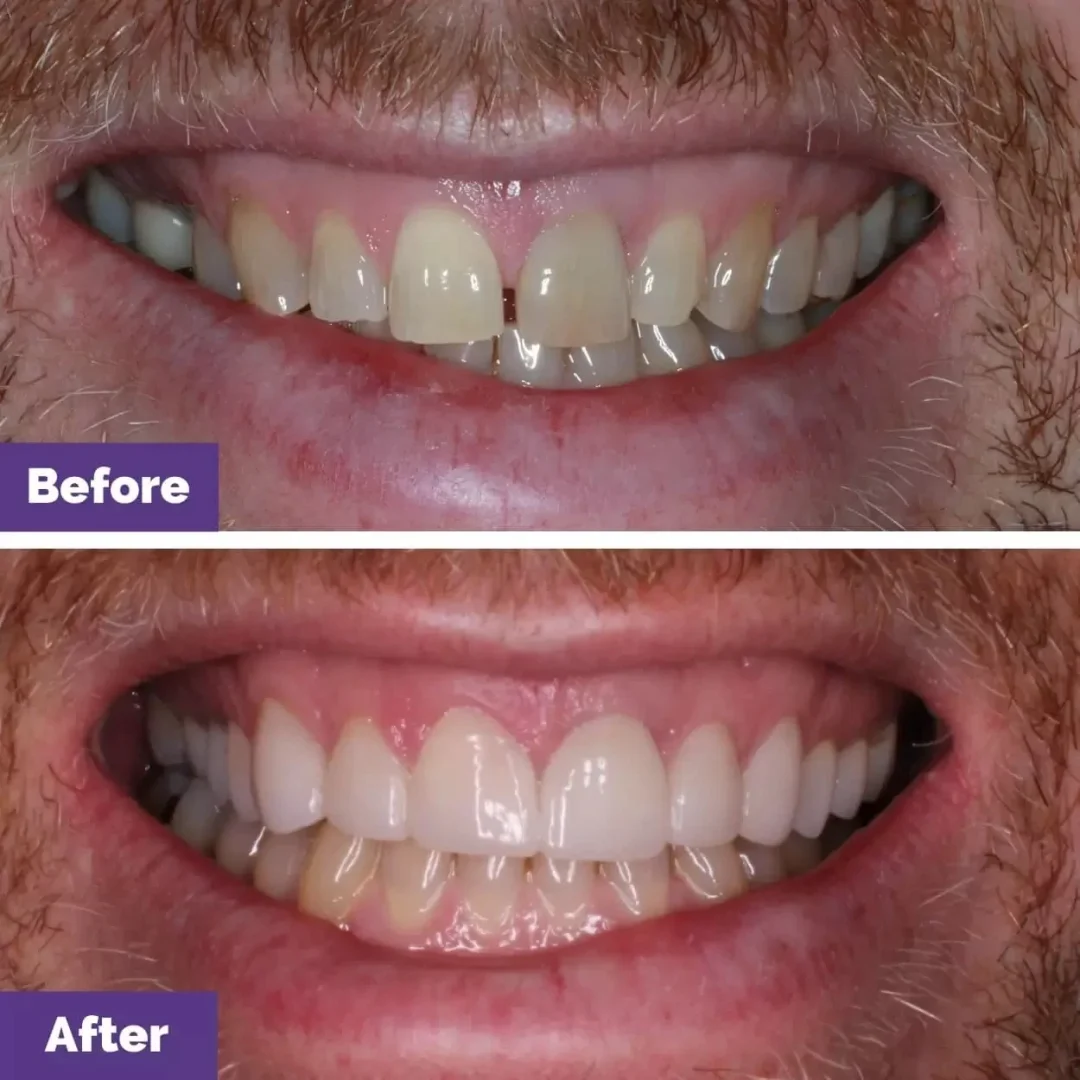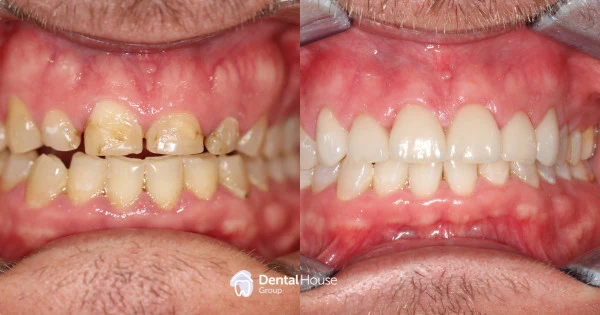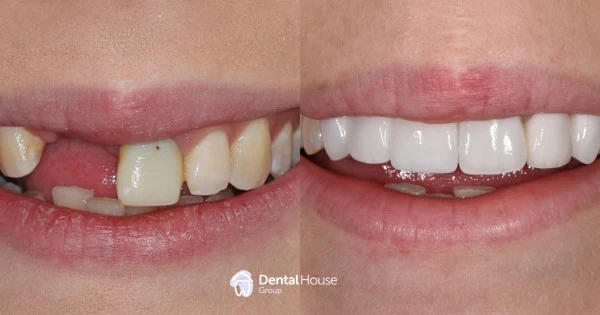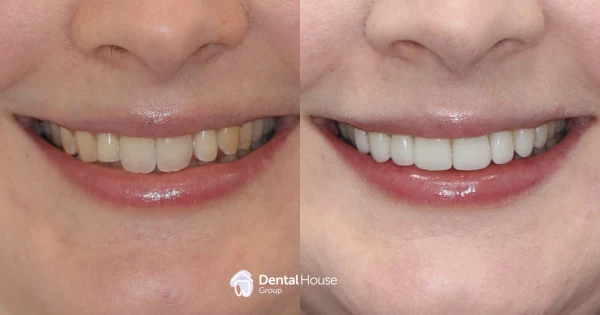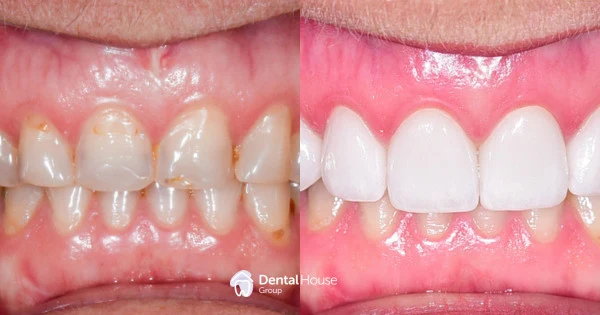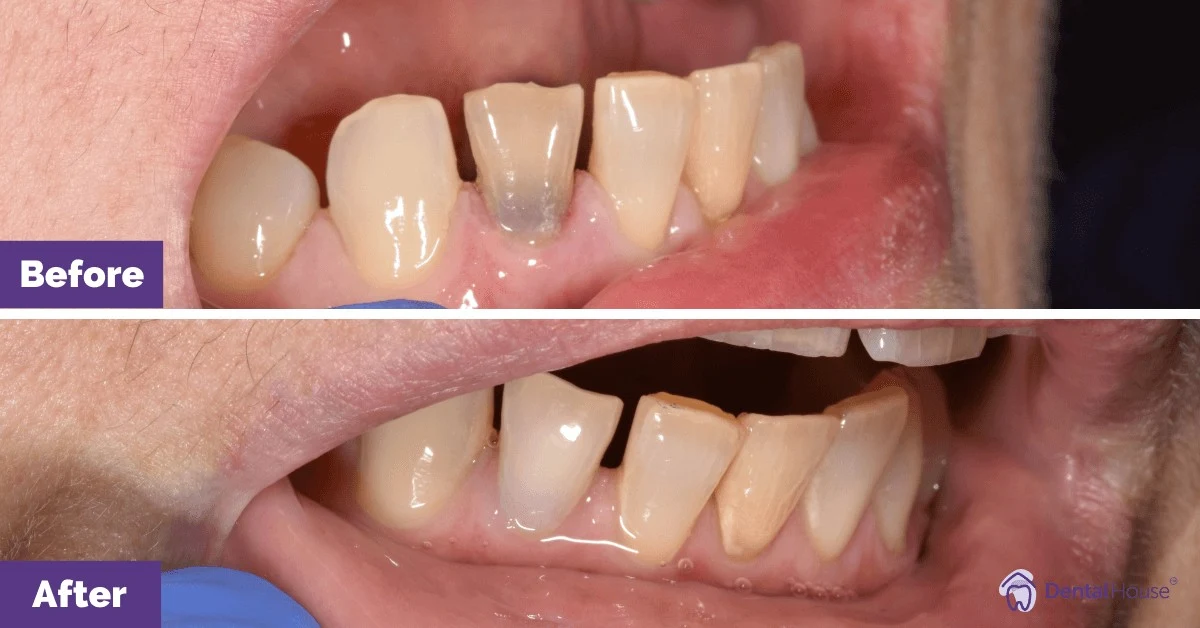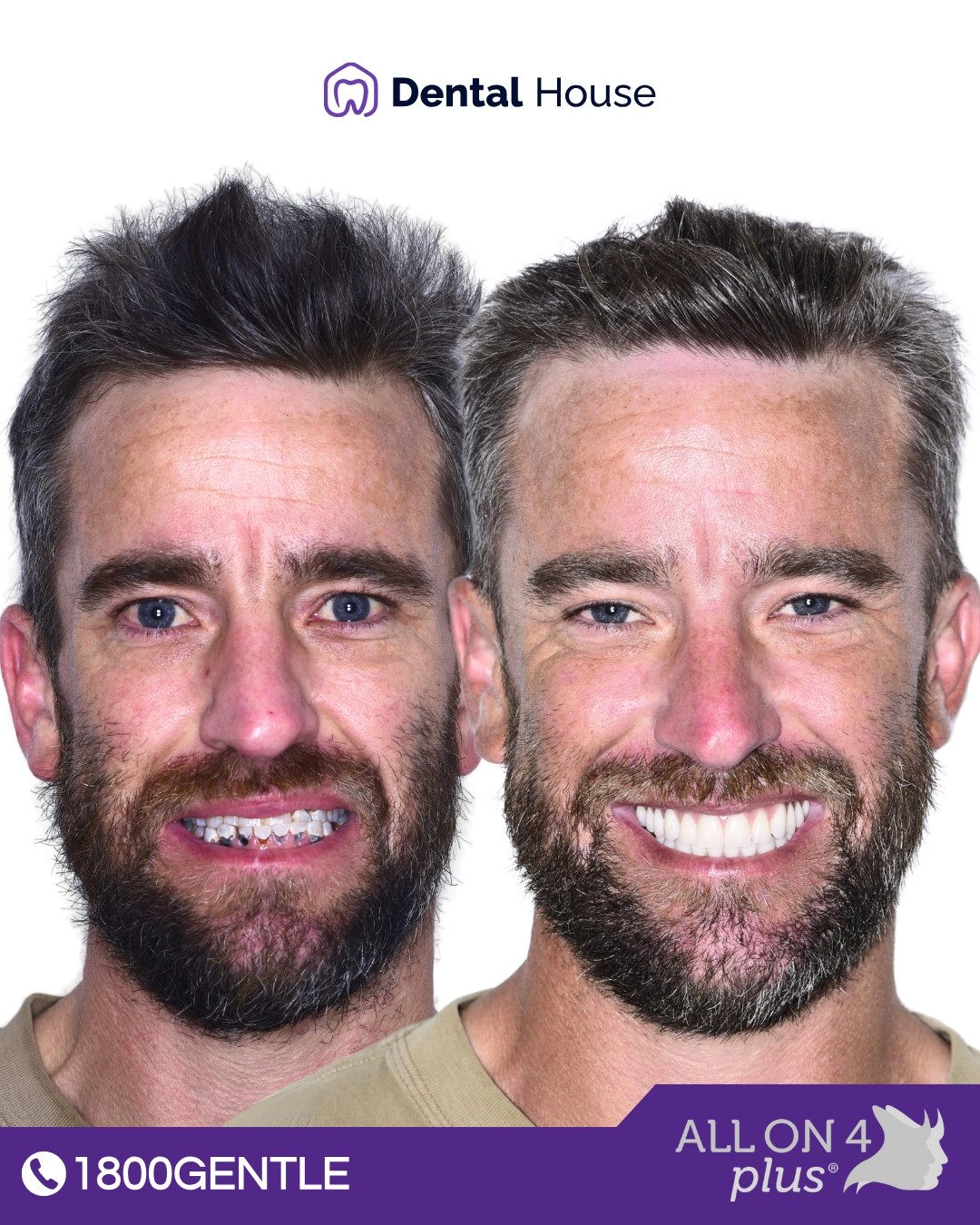
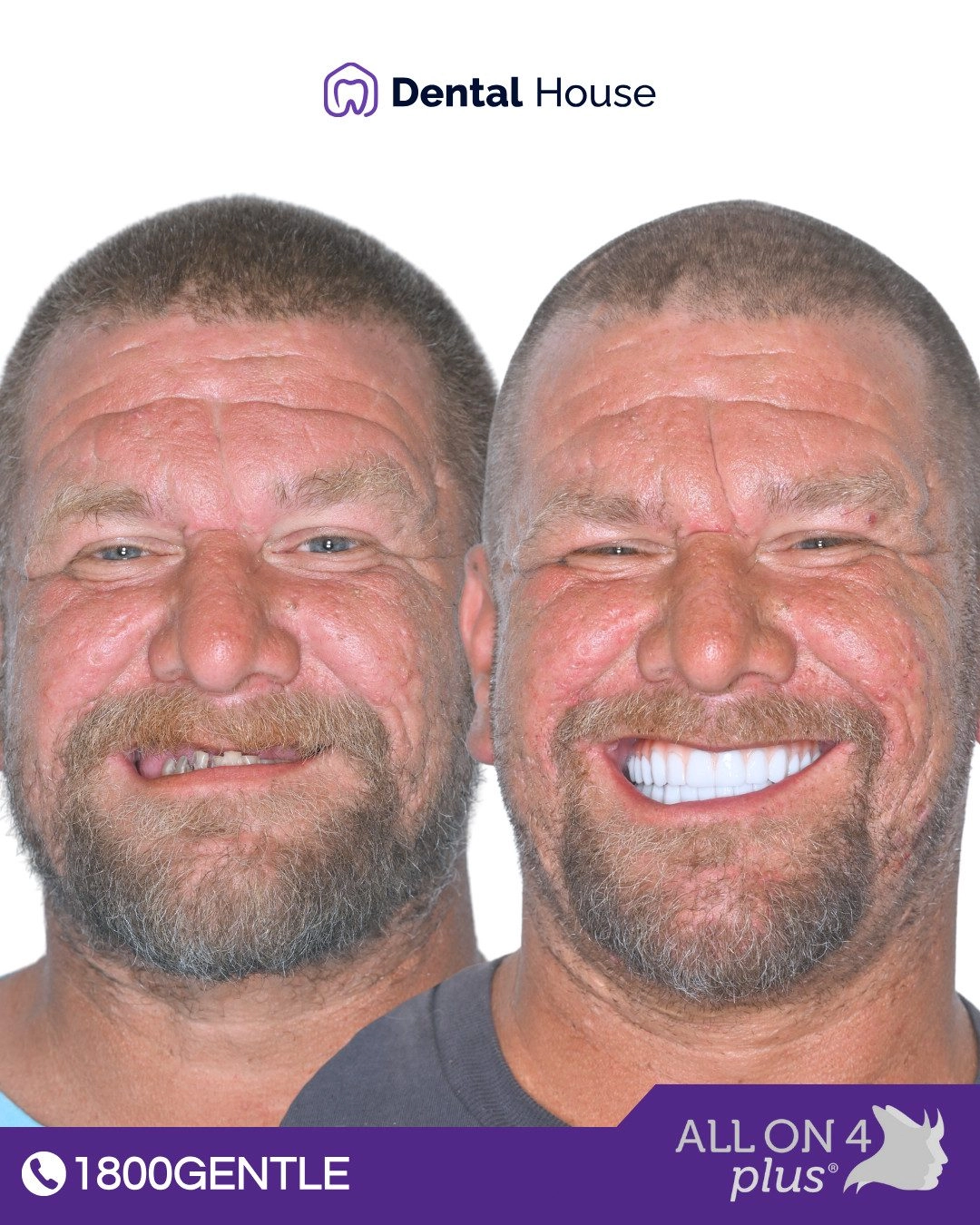
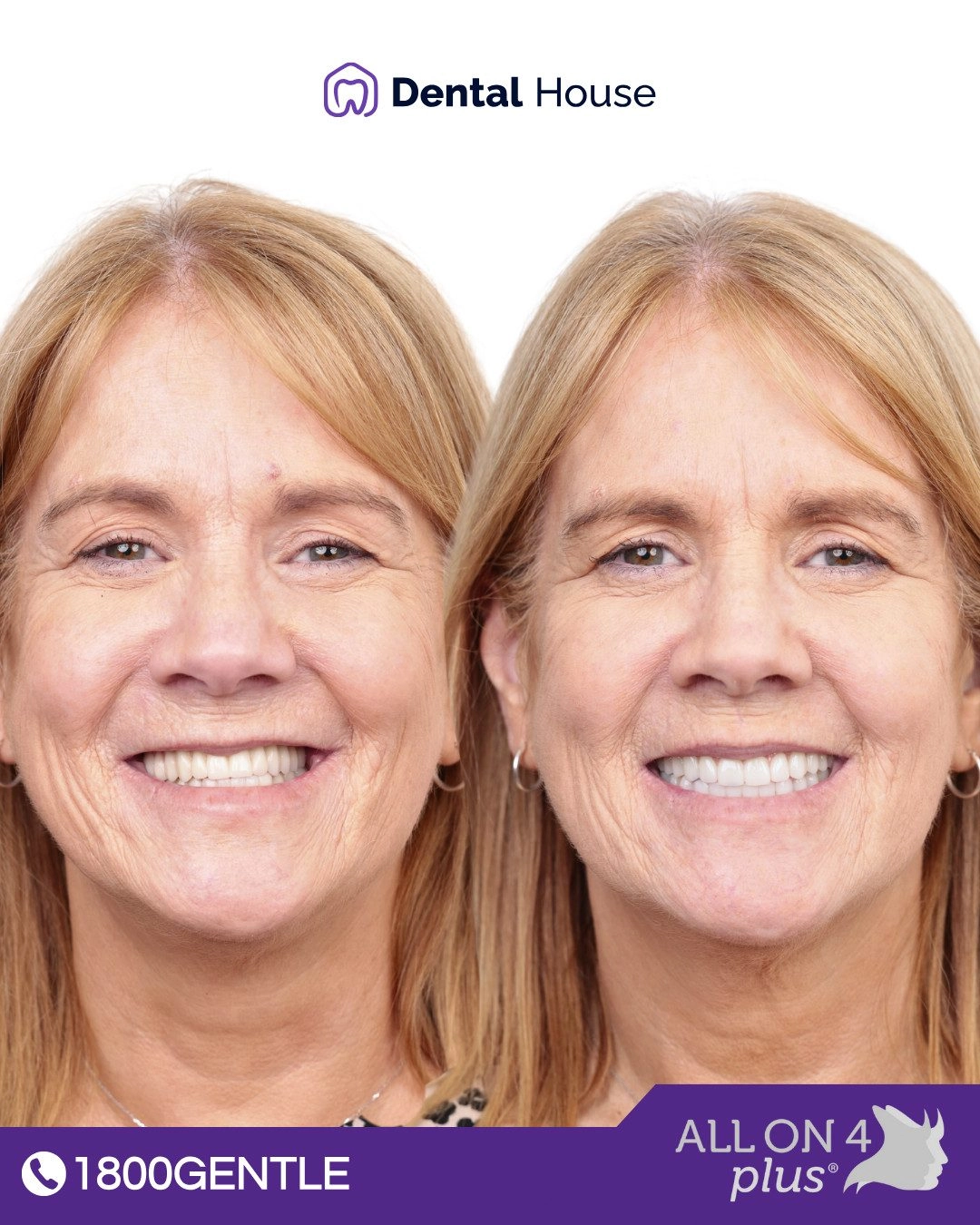
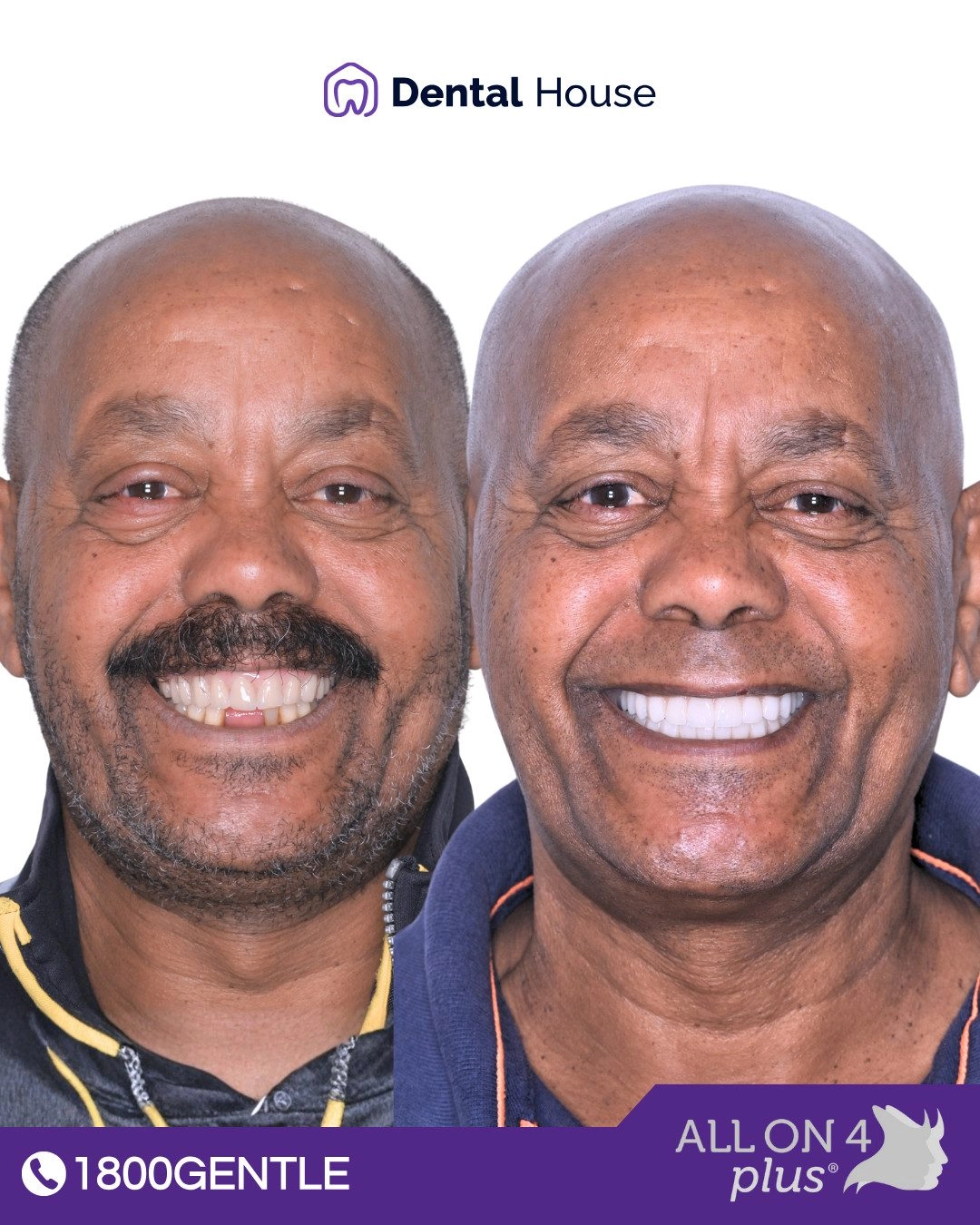
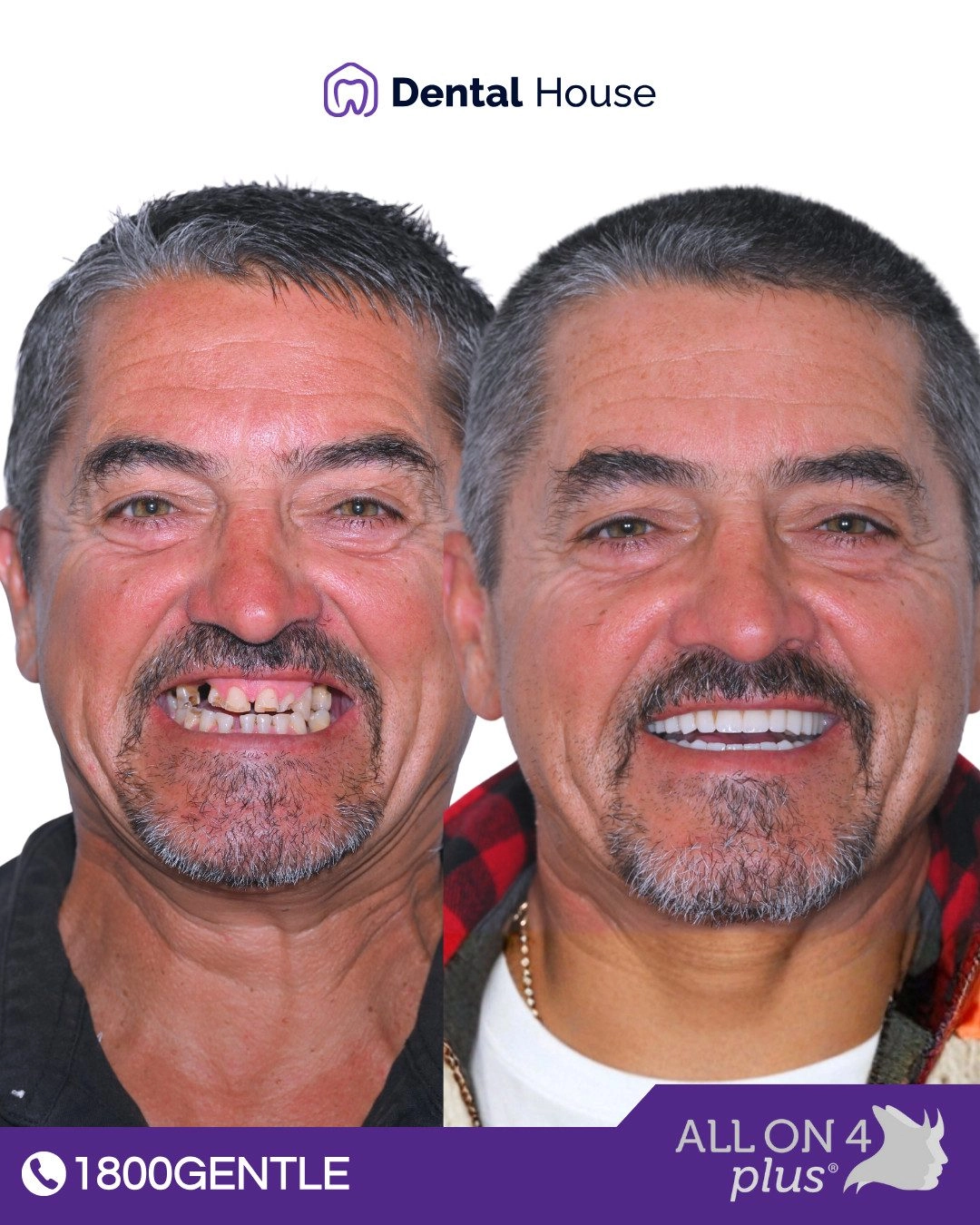
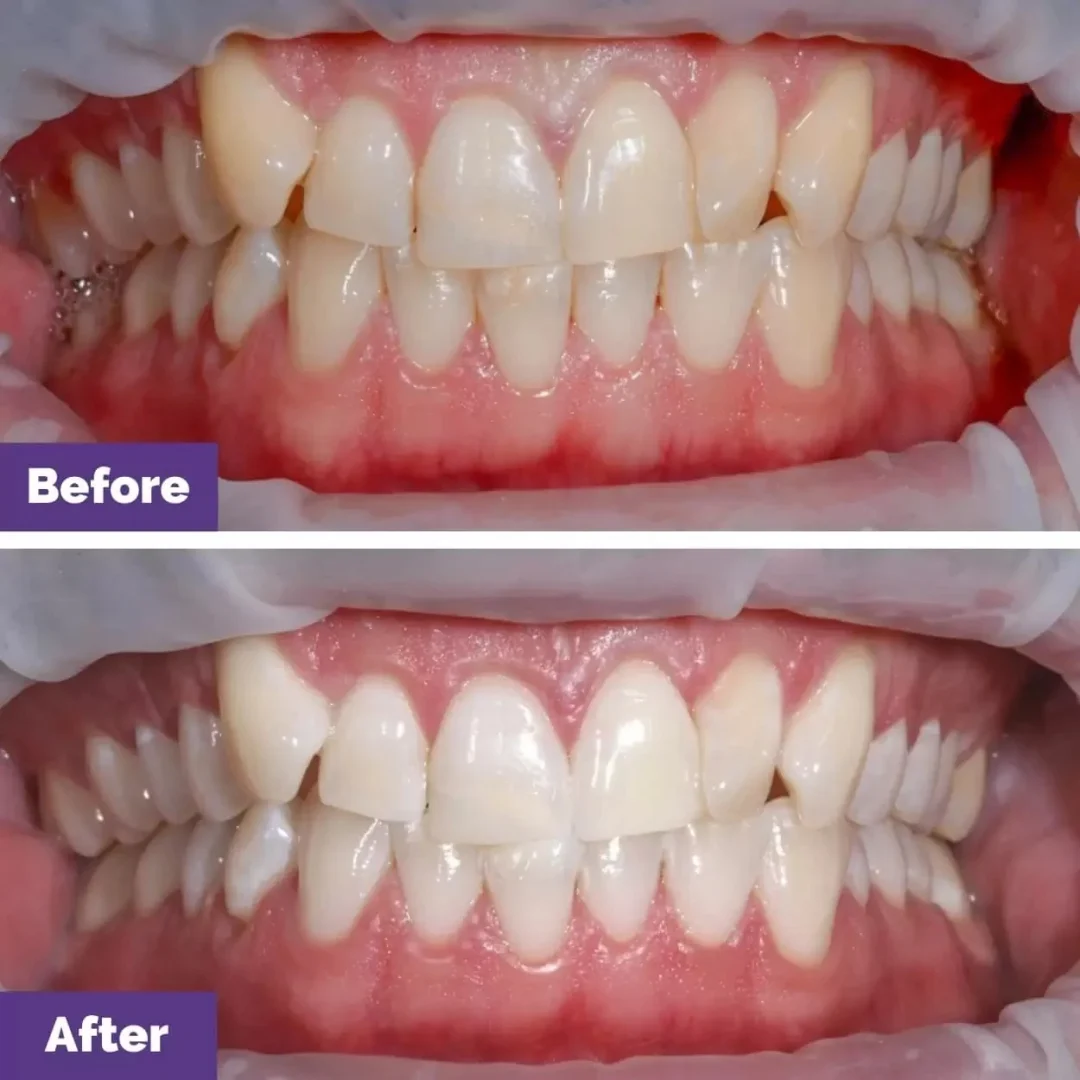
Case Note ID: Dec-2024-TW
Location: Melton Dental House (serving Melton, Rockbank, Kurunjang and surrounding areas)
Primary Treatments: Professional in-chair teeth whitening
Supporting Technology: High-concentration hydrogen peroxide gel, LED activation system
- Generalised tooth discolouration affecting aesthetic appearance
- Patient concerns regarding yellow or darkened tooth shade
- Assessment of discolouration cause (extrinsic versus intrinsic staining)
- Evaluation of tooth sensitivity history and risk factors
- Primary objective: Lighten tooth shade through chemical oxidation process
Phase 1: Suitability Assessment
- Comprehensive examination of teeth and existing restorations
- Evaluation of enamel quality and dentine exposure areas
- Assessment of sensitivity risk factors and patient tolerance
- Discussion of realistic shade improvement expectations
- Pre-treatment shade recording for comparison purposes
- Professional cleaning to remove surface staining before whitening
Phase 2: In-Chair Whitening Procedure
- Soft tissue protection using rubber dam or protective barriers
- Application of high-concentration whitening gel to tooth surfaces
- Activation using LED light or heat source (protocols vary)
- Multiple application cycles during single extended appointment
- Typical treatment duration 60-90 minutes
- Post-treatment fluoride application to reduce sensitivity
Phase 3: Post-Treatment Monitoring
- Instructions for managing potential post-treatment sensitivity
- Dietary advice to maximise colour stability (avoid staining substances)
- Discussion of expected shade settling over subsequent days
- Take-home maintenance whitening options if desired
- Realistic discussion of colour longevity and maintenance requirements
Professional in-chair whitening treatment involved applying high-concentration bleaching agents to achieve tooth lightening during single appointment. Shade improvement varies considerably between individuals based on original discolouration cause, enamel thickness and individual tooth response to oxidising agents.
Individual responses to teeth whitening vary significantly. Treatment outcomes cannot be guaranteed. Tooth sensitivity during and following treatment is common, ranging from mild to severe discomfort requiring pain management. Shade improvement typically ranges from 2-8 shades but varies considerably. Results are temporary, with gradual colour relapse over 6-24 months requiring maintenance treatments. Existing restorations do not change colour and may require replacement for uniform appearance. Some intrinsic stains respond poorly to whitening.
Will teeth whitening damage my tooth enamel?
Professional whitening using appropriate concentrations and protocols does not permanently damage enamel structure when properly administered. However, temporary enamel surface roughness and increased tooth sensitivity are common side effects. These effects are generally reversible, though individuals with pre-existing enamel defects or sensitivity may experience more significant discomfort.
How long do teeth whitening results last?
Professional whitening results are temporary, with gradual colour relapse occurring over time. Typical longevity ranges from 6 months to 2 years depending on dietary habits, oral hygiene and individual factors. Consumption of staining substances (coffee, tea, red wine, curry) accelerates colour relapse. Most patients require periodic maintenance treatments to sustain improved appearance.
Why are my teeth sensitive after whitening?
Tooth sensitivity following whitening results from bleaching agents temporarily penetrating enamel and affecting dentine nerve endings. This sensitivity is typically temporary, resolving within days to weeks following treatment. Using desensitising toothpaste before and after treatment may reduce symptoms. Some individuals experience persistent sensitivity requiring professional intervention.
Give us a call at +61 3 8798 9798 or contact us by submitting the enquiry form below. We will be happy to help.