


Is Composite Bonding or a Veneer Right for You?
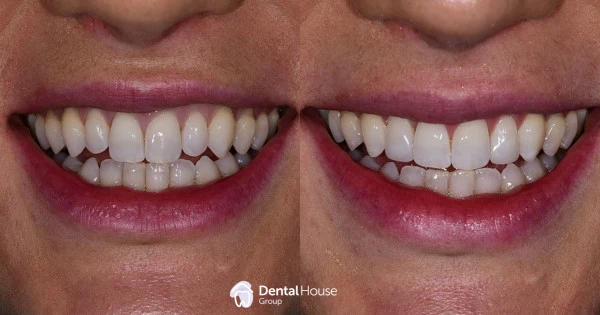
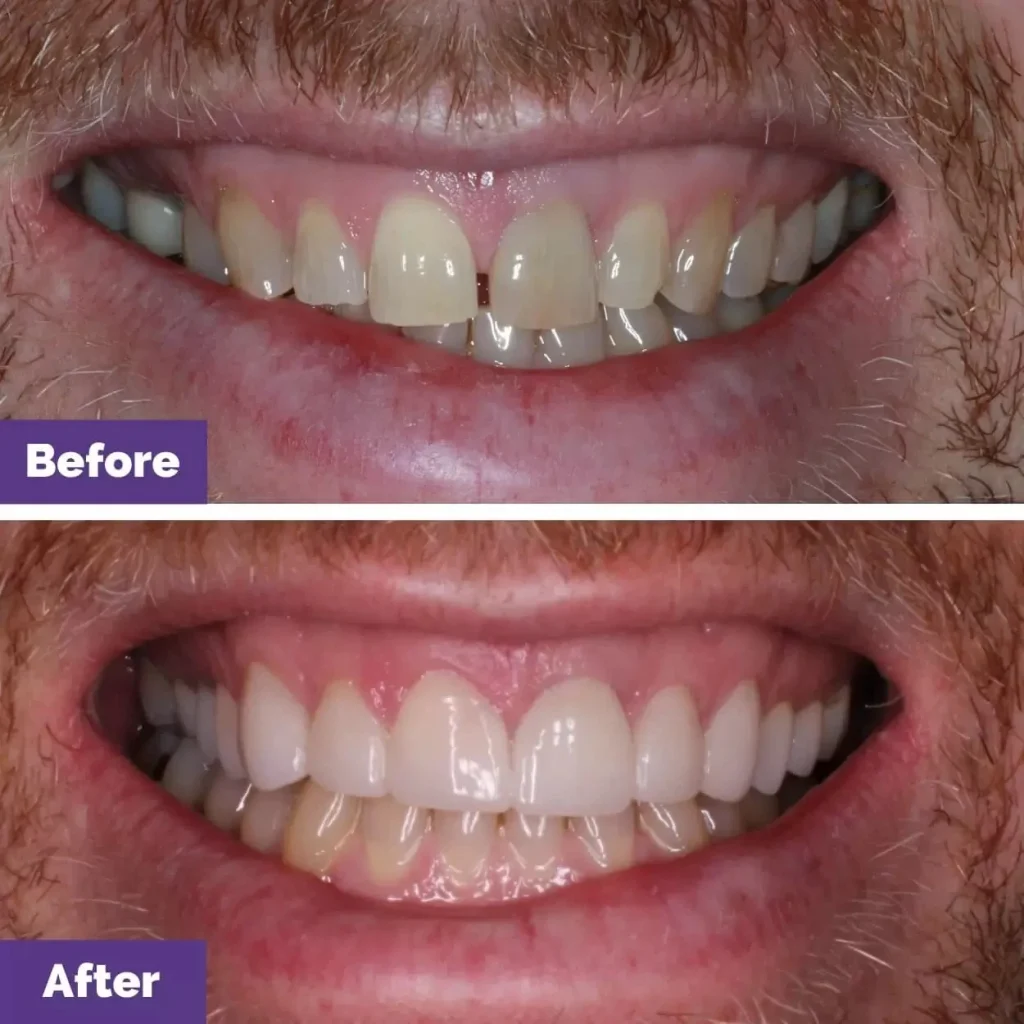
Both composite bonding and porcelain veneers are used in cosmetic dentistry, but they suit different situations. Composite bonding is generally more appropriate when only a small amount of tooth volume needs to be restored. Veneers tend to be the more suitable option when a patient is looking to make a more comprehensive change to the shape and colour of their teeth. Your clinician will help you weigh up which approach suits your individual situation.
How the Composite Bonding Process Works
The treatment timeline at Melton Dental House depends on how straightforward or involved your particular case is.
Straightforward Cases
For patients with very minor concerns, composite bonding can often be completed at your next available appointment. There is no laboratory stage involved, which means the treatment is typically delivered in a single visit.
Cases That Require Planning
For more involved cases, your clinician may take records at the first visit, carry out some planning in the background, and then complete the bonding at a follow-up appointment. This approach helps ensure the result is well considered before any work begins.
Caring for Your Composite Bonding
Once your bonding is in place, regular check-ups every six months are recommended. Part of that visit is specifically to review the bonding and check that it is holding up well. The other part is a general review of your overall oral health, which remains important regardless of any cosmetic treatment you have had.
Book a Composite Bonding Consultation in Melton
To find out whether composite bonding is the right option for you, call Melton Dental House on (03) 8798 9798 or book a consultation online.