The day your braces come off is exciting. You’ve spent months or years working towards this moment, and now you can finally see your straight smile. Then your orthodontist hands you a retainer and explains you’ll need to wear it indefinitely.
Wait, what? Indefinitely?
This conversation happens at Melton Dental House all the time. Patients are thrilled their active treatment is finished, then surprised to learn that post-orthodontic retainers are a permanent part of keeping their results.
According to the Australian Society of Orthodontists, retainers are essential for maintaining orthodontic results because teeth naturally tend to shift throughout life. Without retainers, even perfectly aligned teeth can gradually move back towards their original positions.
Why Post-Orthodontic Retainers Are Essential
Your teeth don’t stay put just because braces or Invisalign moved them. Several factors cause teeth to shift over time.
Tissue Memory: The periodontal ligaments and tissues surrounding your teeth have “memory” of their previous positions. They naturally want to pull teeth back to where they were before treatment.
Jaw Growth: Even into your twenties, subtle jaw changes can affect tooth alignment. Ongoing growth and natural ageing processes continue to influence tooth position.
Daily Forces: Chewing, speaking, and even tongue pressure exert forces on teeth throughout your life. Over time, these can cause gradual shifting.
Post-orthodontic retainers counteract these natural tendencies, maintaining the alignment achieved through orthodontic treatment.
Types of Retainers
Several different types of post-orthodontic retainers are available, each with specific advantages.
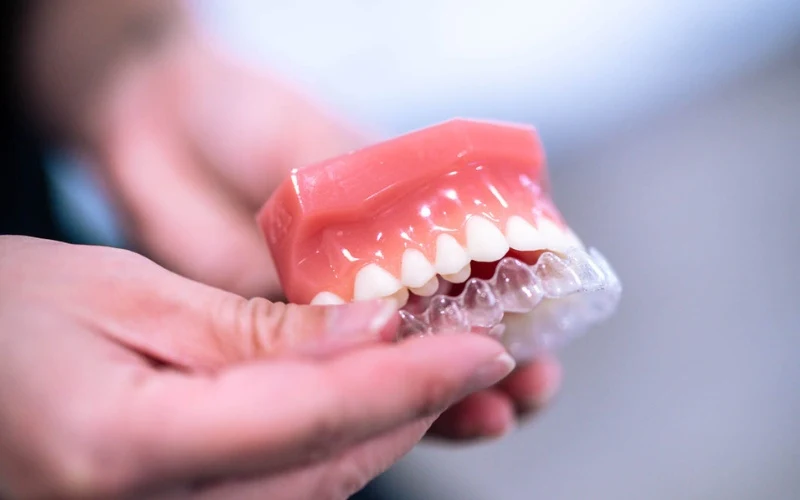
Removable Clear Retainers
These retainers look similar to Invisalign aligners – clear plastic trays that fit over your teeth.
Advantages: Nearly invisible when worn, comfortable for most patients, easy to clean, and can be removed for eating and special occasions.
Considerations: Can be lost or damaged if not stored properly, may need replacement every 1-2 years as plastic wears down, requires discipline to wear as directed.
Clear retainers are popular because they’re discreet and effective for maintaining alignment after both braces and Invisalign treatment.
Traditional Hawley Retainers
These are the classic retainers with metal wires across the front teeth and an acrylic base that sits against the roof of your mouth or behind your lower teeth.
Advantages: Very durable and can last many years, adjustable if minor tooth movement occurs, the acrylic portion can be customised with colours.
Considerations: More visible than clear retainers, can affect speech initially, some patients find the acrylic portion bulky.
Hawley retainers have been used successfully for decades and remain a reliable option for post-orthodontic retention.
Fixed (Bonded) Retainers
These permanent retainers consist of a thin wire bonded to the back of your front teeth, typically on the lower arch but sometimes upper as well.
Advantages: Can’t be lost or forgotten because they’re permanently attached, work 24/7 to prevent shifting, require no patient compliance.
Considerations: Can make flossing more difficult (though floss threaders help), may occasionally break or detach requiring repair.
Fixed retainers are particularly useful for patients with severe initial crowding or rotation, where the risk of relapse is higher.
Choosing the Right Retainer Type
Your orthodontist will recommend specific post-orthodontic retainers based on several factors.
Your Original Bite Issues: Severe crowding, rotations, or bite problems may require fixed retainers or more rigorous wear schedules.
Patient Compliance: If you’re forgetful, fixed retainers might be recommended.
Lifestyle Factors: Athletes in contact sports might prefer removable retainers they can take out during games.
Many patients end up with a combination approach – fixed retainers on lower front teeth with removable retainers for upper teeth.
Wearing Your Retainer: What to Expect
Initial Phase (First 3-6 Months): Most orthodontists recommend full-time wear except when eating and brushing. This critical period allows bone and tissues to stabilise around teeth in their new positions.
Transition Phase (6-12 Months): You’ll typically transition to night-time only wear.
Long-Term Maintenance: Many orthodontists now recommend lifelong retention, even if it’s just a few nights per week.
These schedules can vary based on your specific case, so always follow your orthodontist’s specific recommendations.
Caring for Your Retainers
Proper care keeps your post-orthodontic retainers functioning effectively.
For Removable Retainers: Rinse with cool water after each use, brush gently with a soft toothbrush and mild soap, soak weekly in retainer cleaner, and store in your case when not wearing them.
For Fixed Retainers: Use floss threaders to clean under the wire daily, brush carefully around the bonded areas, and have your dentist check the wire at regular appointments.
What to Avoid: Never use hot water on removable retainers (it can warp the plastic), don’t wrap retainers in napkins (they often get thrown away), and avoid leaving them where pets can reach them.
When Retainers Need Replacement
Clear retainers typically need replacement every 1-2 years as the plastic becomes cloudy or loses its shape. Hawley retainers are more durable and can last 5-10 years or longer with proper care.
Fixed retainers can last many years but occasionally break or detach. If you notice a loose or broken fixed retainer, contact your orthodontist promptly before teeth start to shift.
What Happens If You Stop Wearing Retainers
Teeth can shift surprisingly quickly without retainers, sometimes noticeably within weeks or months. Minor shifting might be corrected by resuming retainer wear, but significant movement often requires re-treatment with braces or aligners.
Some orthodontic practices see this scenario regularly – patients who stopped wearing retainers years ago, experienced shifting, and now want their straight smile back. Prevention through consistent retainer wear is much simpler than correction.
The Bottom Line on Post-Orthodontic Retainers
Post-orthodontic retainers are essential for maintaining the results achieved through braces or Invisalign treatment. Different retainer types suit different needs, and your orthodontist can help you choose the best option.
The key to success is understanding that retention is a permanent commitment. Teeth naturally tend to shift throughout life, and retainers are what keep your smile straight long-term. With proper care and consistent wear, retainers protect your orthodontic investment for years to come.
Ready to start or complete your orthodontic journey? Contact Melton Dental House today to discuss your options. Call us at 03 8798 9798 or complete our enquiry form to schedule your consultation.
Frequently Asked Questions
How long do I really need to wear my retainer?
Most orthodontists now recommend some level of retainer wear indefinitely to maintain your results. The initial phase typically involves full-time wear for 3-6 months, transitioning to nights only. Long-term, many orthodontists suggest wearing retainers at least a few nights per week for life.
What should I do if my retainer doesn’t fit anymore?
If your retainer feels tight or doesn’t fit properly, contact your orthodontist quickly. Some minor shifting can be corrected by resuming consistent retainer wear, but significant movement may require professional assessment. Don’t try to force a retainer that doesn’t fit.
Can I get replacement retainers years after my orthodontic treatment ended?
Yes, most orthodontic practices can make new retainers from your original records if your teeth haven’t shifted significantly. However, if substantial shifting has occurred, new impressions will be needed, and the retainers will maintain your current position rather than your ideal orthodontic result.