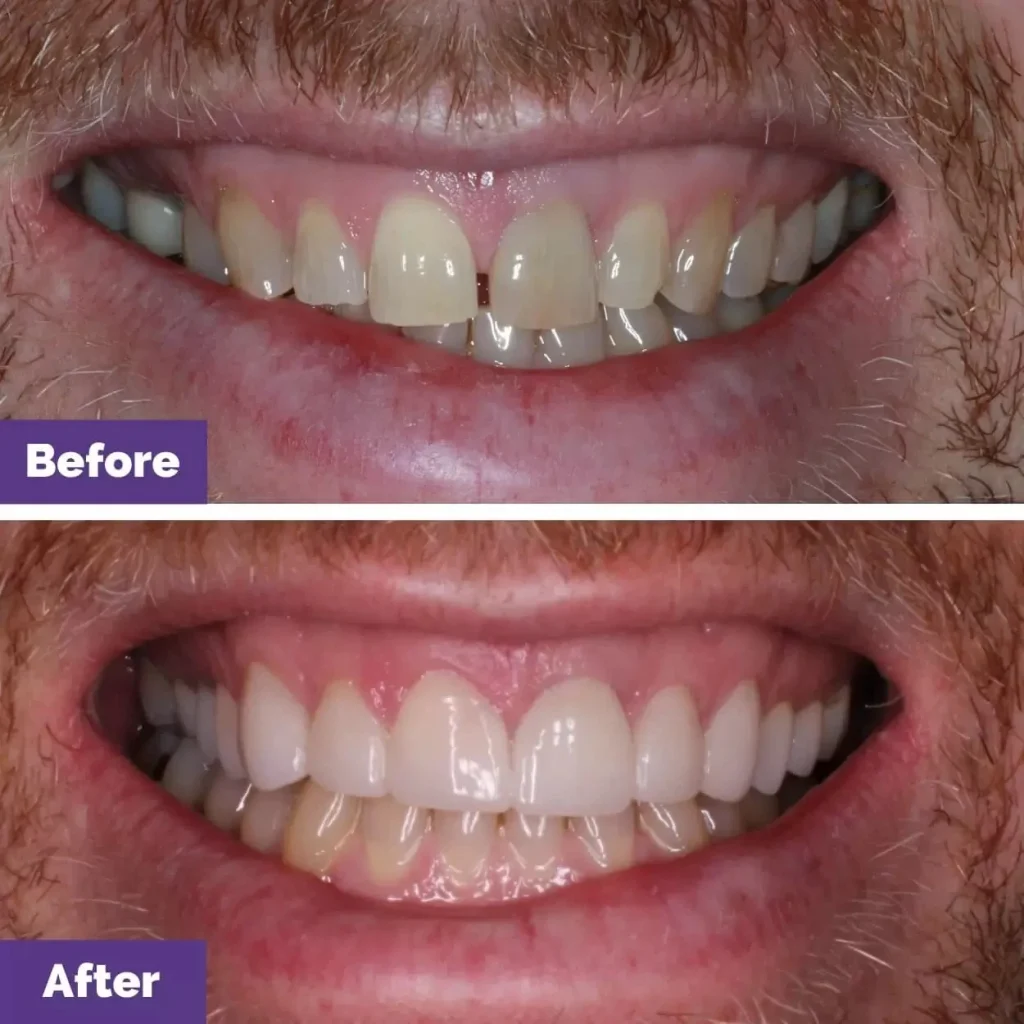
“How much” is a fair question, but porcelain veneer costs vary widely in Melton because the procedure has more moving parts than most patients realise. A veneer fee is not a single thing. It is a stack of clinical work, planning, lab artistry and chair time.
Below is a clear breakdown of what you are actually paying for when you get a porcelain veneer, what makes the price vary, and how to read a quote properly so you know whether you are getting the full process or a cut-down version of it.
What a Veneer Fee Actually Covers
A proper porcelain veneer case involves multiple clinical and lab stages. Each one is a real cost that should be reflected in the quote.
The planning consultation is the first stage. The dentist examines your teeth, takes photographs, reviews your bite, and discusses what you are hoping to achieve. A clinic confident in its veneer work does not skip this. It is not a sales meeting, it is the start of treatment planning.
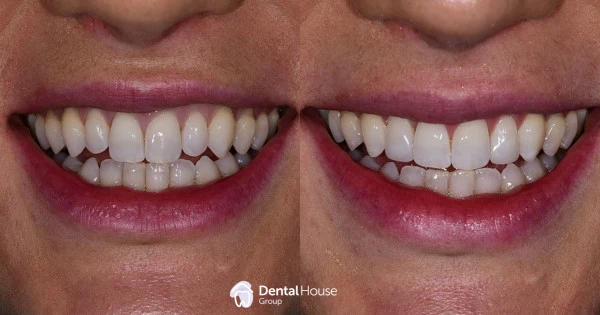
Photographs and records are the second stage. Good veneer cases are planned from photographs taken under controlled lighting, sometimes with shade tabs visible against the teeth. The dentist uses these images to design what the final teeth will look like and to brief the lab. Skipping this is common in cheaper cases and is one of the main reasons veneers can end up looking flat or generic.
A wax-up or Digital Smile Design preview is the third stage. This is where the proposed shape and length of the new teeth is mocked up before any work is started on the actual tooth. A wax-up lets you and the dentist agree on what looks right, and make changes on paper rather than on porcelain. Digital Smile Design does the same thing on screen.
The prep appointment is when the underlying tooth is shaped to receive the veneer. Most porcelain veneers require some minimal removal of enamel to allow the veneer to sit flush. A digital scan or impression is taken at this stage to send to the lab.
Temporary veneers are usually placed at the end of the prep appointment, to protect the prepared teeth and let you live with the planned shape for a couple of weeks. If something does not look right with the temporaries, this is when you say so.
The lab fee is a large part of the overall cost. A skilled dental lab technician builds the porcelain veneer by hand (or mills it via CAD/CAM), characterises the shade across the tooth using multiple layers, and polishes the surface to a natural finish. Local Australian labs typically cost more than overseas labs, but turnaround is faster and adjustments are easier. The lab you do not see is doing a lot of the work you do see in the final result.
The bonding appointment is when the porcelain is permanently fixed to your teeth. The artistic component, including final shade refinement and polish, happens at this stage.
Review appointments are scheduled in the weeks after fitting to check the bite, the gums, and how you are getting on with the veneers.
What Makes the Price Vary
Within “porcelain veneer”, the price varies depending on several factors.
The number of veneers makes the biggest difference. A single veneer fee is one figure. A case involving six or eight veneers is significantly more expensive overall, though the per-veneer cost often comes down slightly because the planning is done in one go. Always ask whether a “veneer cost” is per tooth or per case.
The material grade matters. Different porcelain systems offer different aesthetic and durability properties. Premium feldspathic porcelains, for example, can be layered to mimic the depth of natural enamel more closely than monolithic alternatives.
The complexity of the case matters. A veneer placed over a tooth that needs no other work is one situation. A veneer placed alongside gum reshaping, or after a short Invisalign phase to align first, is another.
CEREC same-visit veneers are worth asking about. Some cases are well suited to CEREC ceramic veneers milled in-clinic in a single visit. Most front-tooth veneer cases are still better served by lab-made porcelain, where the technician’s hand contributes significantly to the final result, but it is worth a conversation.
Composite veneers (resin applied directly to the tooth by the dentist) cost less than porcelain veneers, but they do not last as long. Typical longevity is 5 to 8 years for composite versus 10 to 15 years or more for porcelain. Composite stains over time and requires more touch-up work. They are a valid first step for some cases, but they are not the same product.
What Gets Cut to Hit a Low Price
A clinic offering a porcelain veneer at a notably low price is usually cutting one or more of the stages above. The most common ones to cut are the planning stage (no proper photographs, no wax-up or Digital Smile Design preview), the lab (cheaper overseas labs with no characterisation, no layered porcelain), the temporary stage (skipped entirely), or the review appointments (limited or charged separately).
Each of these may be acceptable to you. The point is to know what you are accepting. A clinic that walks you through the full process and what is included is doing the job properly.
How We Approach Veneer Cases at Melton Dental House
Melton Dental House plans porcelain veneer cases properly. Cases start with a planning consultation, clinical photographs, and a discussion about what shape, shade and alignment you are looking for.
We use Digital Smile Design to preview the planned result where appropriate, before any tooth preparation is started. We work with a local Australian lab partner. Temporary veneers are placed where indicated, so you can live with the planned shape before final bonding. Review appointments are included for a defined period after fitting. We also handle composite veneers and CEREC same-visit ceramic veneers where they are the right answer for the case.
We tell you honestly when porcelain veneers are the right choice, and when composite bonding or a different approach would suit you better.
Questions to Ask at Your Consultation
Take this short list to any consultation:
- How many veneers does my case actually need?
- What material is being recommended, and why?
- Where is the lab?
- Is a wax-up or Digital Smile Design preview included?
- Are temporary veneers included?
- How many review appointments are included after fitting?
- What is the realistic longevity?
- What are the risks and trade-offs?
Clear answers tell you whether a quote is the full process or a cut-down version of it.
Ready to See What Your Case Actually Involves?
If you are weighing up porcelain veneers in Melton and want a clear breakdown of what your case actually involves, the next step is a clinical consultation.
Book your consultation with the team at Melton Dental House and we will examine your teeth, take photographs, and walk you through the realistic options for your case before any work is started. For indicative pricing, you can also download our price guide from the website.