Composite bonding is one of the most craft-dependent procedures in dentistry. The materials are good, but the result is built by hand, in layers, by a clinician judging colour, shape and texture by eye. Two dentists using the same composite on the same tooth can produce very different outcomes. The skill is in the doing, not in the equipment.
Below is what separates good composite bonding from average composite bonding, what to look at in person before you commit, and how to choose a dentist for the work in Melton.
What Composite Bonding Actually Is
Composite bonding is the application of tooth-coloured composite resin directly onto a tooth to repair chips, close small gaps, reshape worn edges, or improve the appearance of a discoloured or misshapen tooth. The composite is shaped by hand, hardened with a curing light, then polished to a natural finish. It is conservative, often reversible, and can usually be completed in a single visit without drilling.
Composite bonding overlaps with cosmetic dentistry, but the underlying technique is the same skill used in placing a front-tooth composite filling. The difference is what the clinician is trying to achieve. A filling repairs decay. Bonding shapes appearance.
Why It Is More Craft Than Procedure
Composite is a soft, putty-like material at the start. The clinician applies it to the tooth in thin layers, shaping each one before curing it with a light. Once cured, the next layer goes on. Each layer is sculpted by hand using small instruments and brushes. The final shape is built up incrementally, then refined with finishing burs, polished with discs and rubber points, and brought to a glossy finish.
The process is more like sculpture than restoration. There is no lab, no mould, no template. What you see in the mirror at the end is what the clinician made on the spot.
Six Things That Separate Skilled Bonding From Average
When you are choosing a dentist for composite bonding in Melton, look at the work itself:
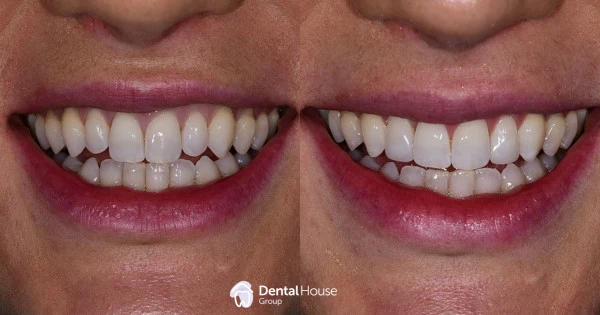
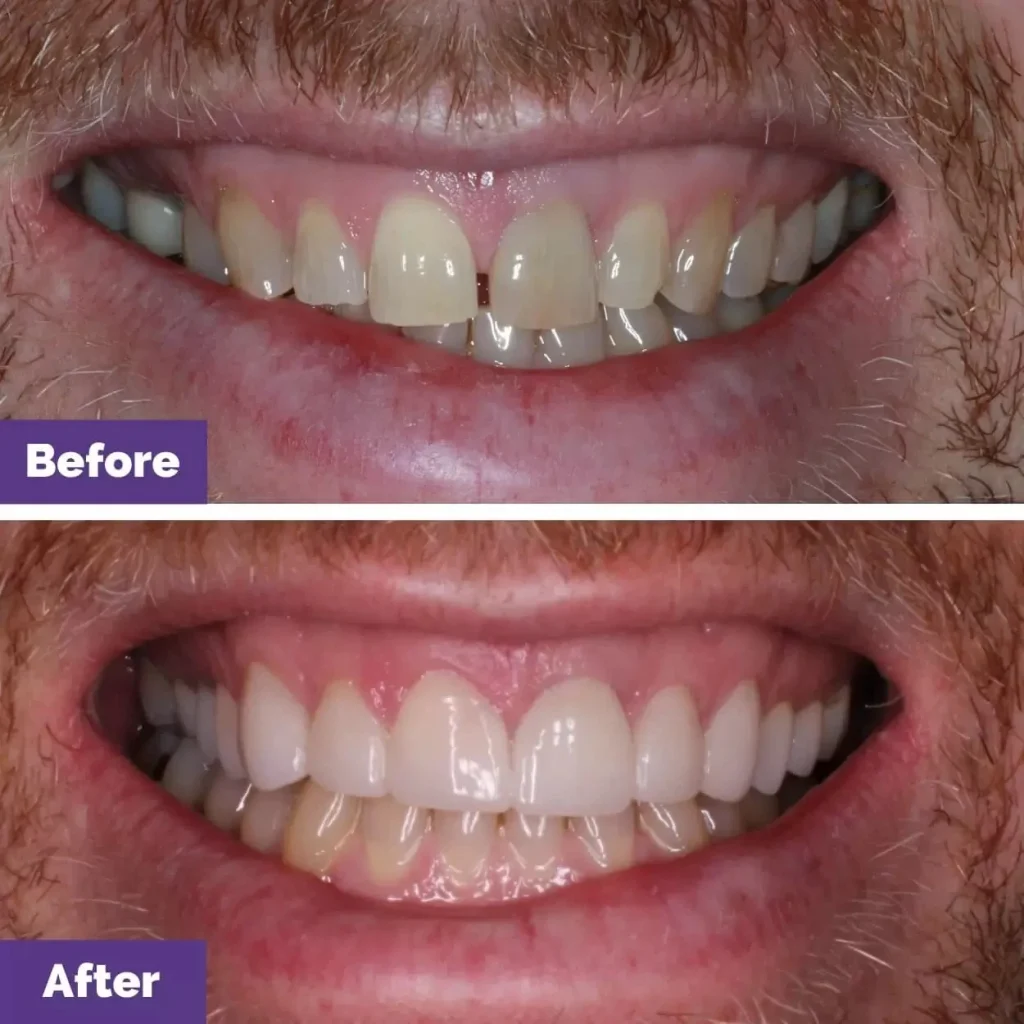
- Shade matching. A well-bonded tooth should be indistinguishable from the teeth around it in normal light. If you can spot the bonded area easily, the shade matching was off. The skill is in reading not just the base shade but the translucency at the edge of the tooth and the slight colour variation between the cervical (gum) and incisal (biting) thirds
- Layering. Front teeth are not one solid colour. They are slightly more opaque near the gum and slightly more translucent at the edge. Good composite bonding mimics this by using different shades of composite in different layers, often a dentine shade underneath and an enamel shade on top. A monochromatic bonded tooth always looks flat compared with its neighbours
- Anatomy. Real teeth have subtle surface texture (mamelons, perikymata, slight ridges) and a specific shape that varies with age. A bonded tooth that looks too smooth, too uniform, or too rectangular reads as artificial. A skilled clinician sculpts the anatomy to match the patient and their face
- Polish. The final polish is what gives composite its natural gloss. Under-polished composite looks dull and picks up stain quickly. Over-polished composite can look plastic. The right polish is a tactile thing, judged by feel as much as by sight
- Margins. The edge where the composite meets the natural tooth should be invisible. A visible margin, a slight step, or a darker line at the edge is a sign the clinician did not refine the bond properly
- Symmetry. If you are bonding more than one tooth, they should balance. Two front teeth bonded with even a small mismatch in size or shape will draw the eye immediately
These are the things you can see. The skill behind them is what makes good composite bonding worth choosing carefully.
What to Ask Before You Commit
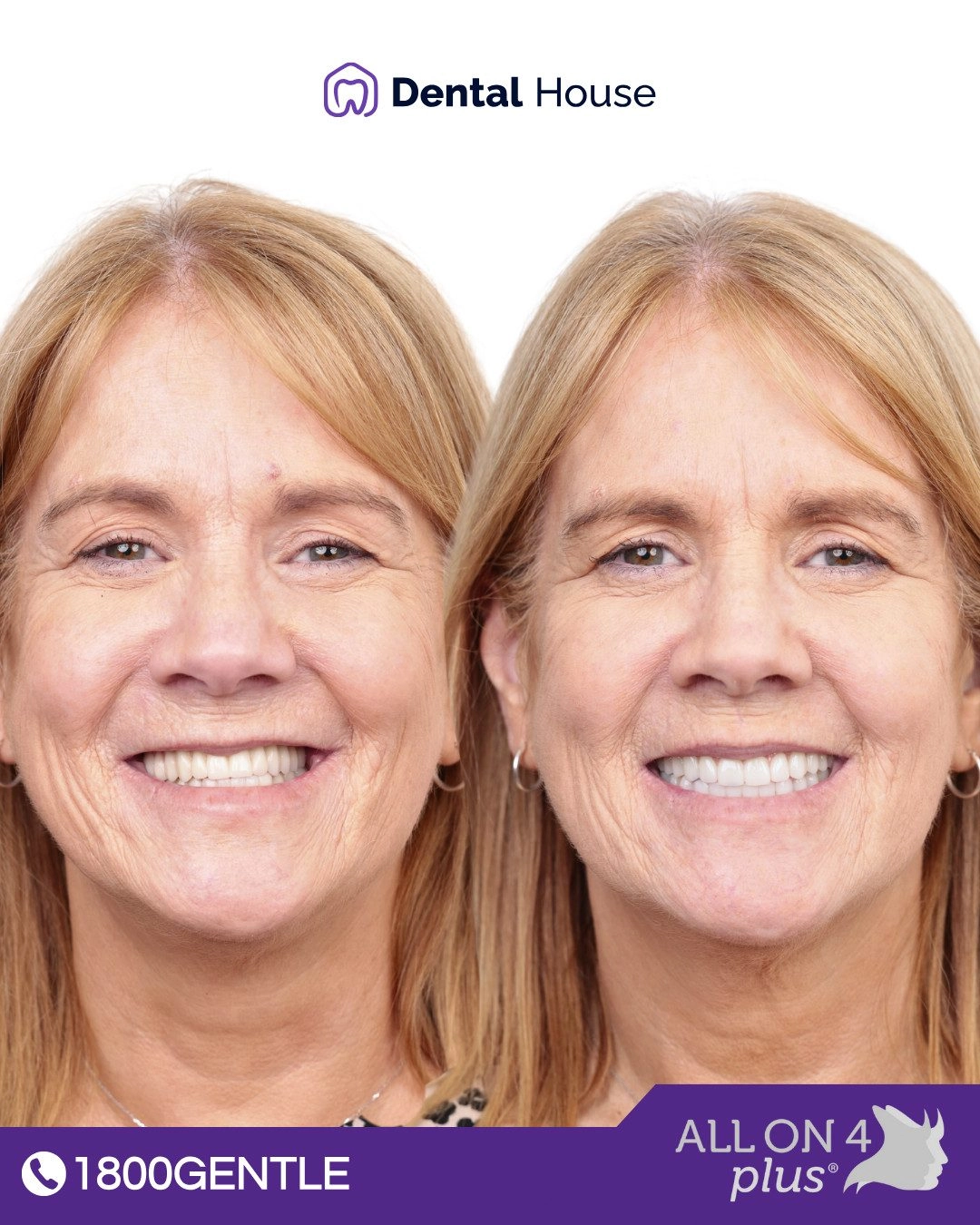
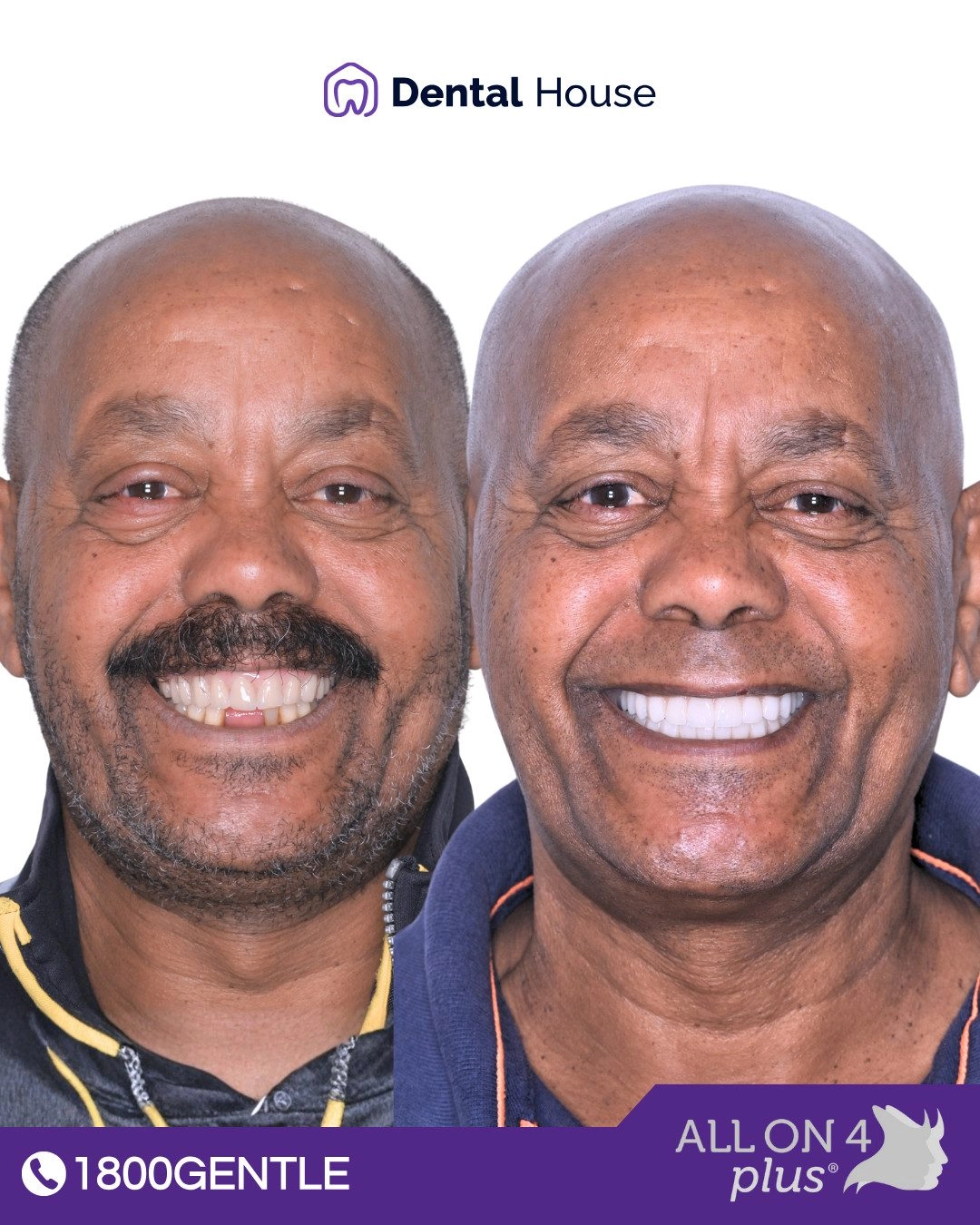
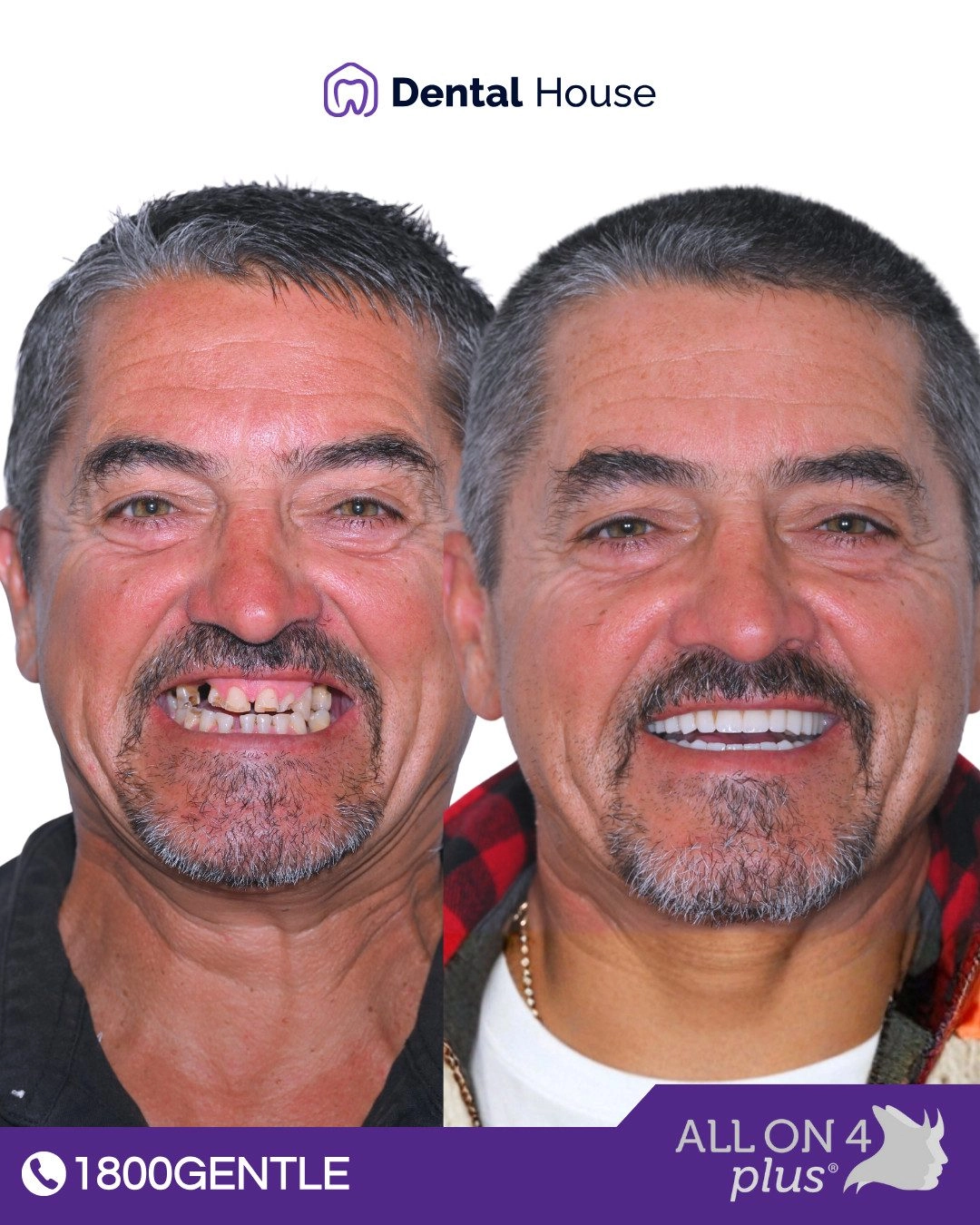
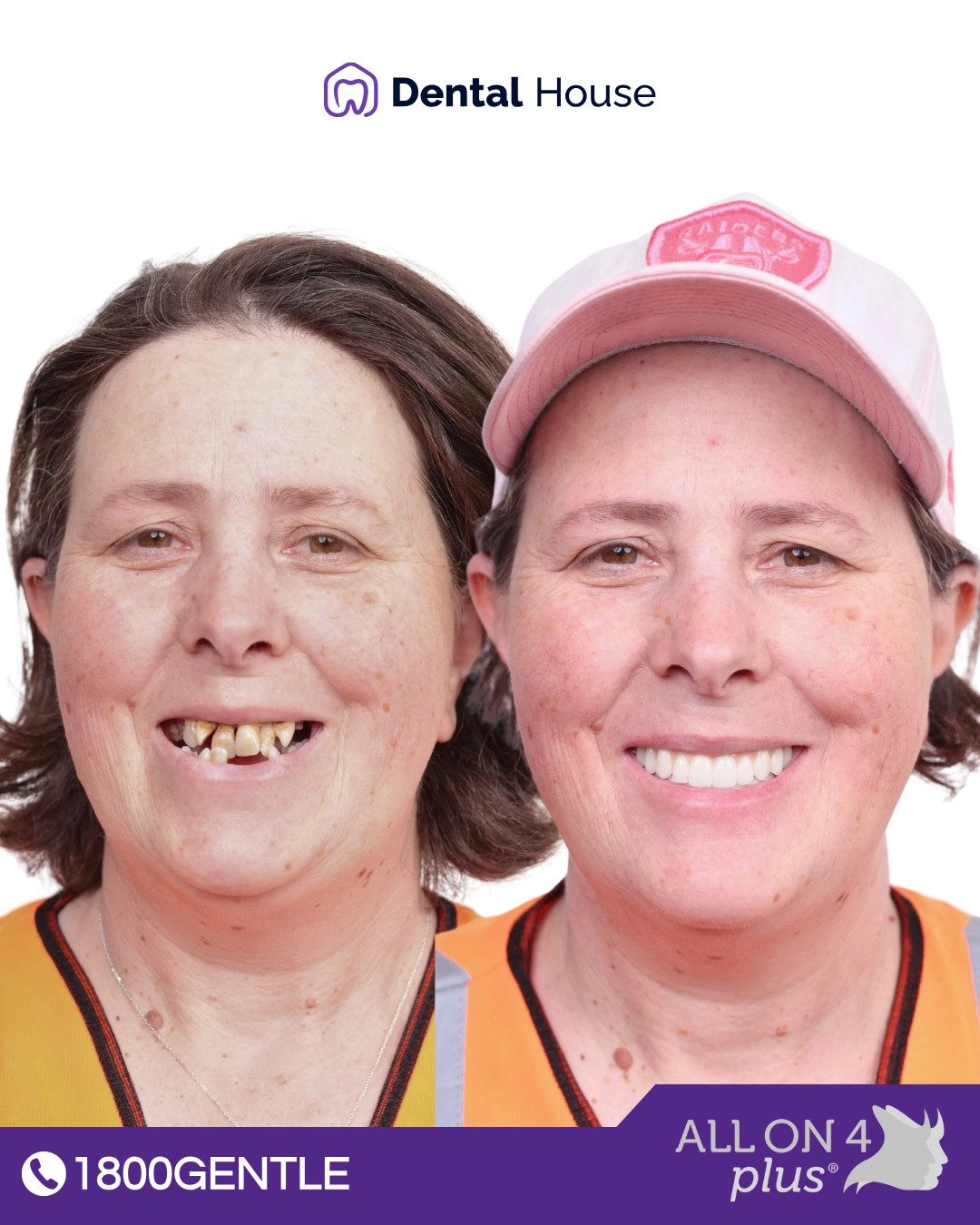
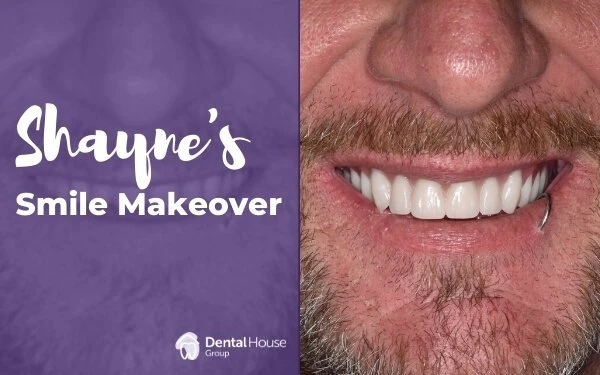
If you can ask, ask. If you can see before-and-during-after photos of cases the dentist has personally treated (rather than stock images), that tells you what they actually produce.
Ask whether the work was done by the clinician you will be seeing, or by someone else in the practice. Some clinics use composite bonding as a junior procedure. Others reserve it for clinicians with cosmetic training. Both can be defensible, but you have a right to know who will be doing the work on your teeth.
Ask how the planning is done. A good cosmetic case usually starts with photos, sometimes shade tabs against the natural tooth in different lights, and a discussion about what shape would suit your face. If the answer is “we’ll just have a go and see”, that is a flag.
Ask about longevity. Composite bonding is durable but not permanent. With normal care, well-placed bonding can last 5 to 8 years before it needs touching up, sometimes longer. Composite stains over time and can chip on hard food. A clinician who tells you the bonding will last forever is overpromising. One who explains the realistic timeline, what affects longevity, and what the touch-up looks like is being honest.
A Word on Materials
The material your dentist uses matters less than how it is used, but it is worth knowing. Most clinics use a tier of composite materials from major manufacturers, ranging from utility composite (used for back-tooth fillings) to highly aesthetic composites designed specifically for front teeth and cosmetic work. Aesthetic composites have a wider range of shades, better translucency at the edges, and polish to a higher gloss. They cost more, but for visible front teeth, they are worth it.
If the clinic uses only one composite for everything, that is fine for fillings but limiting for cosmetic bonding. Ask which composite they would use on your front teeth and why.
How We Approach Composite Bonding at Melton Dental House
Melton Dental House’s upstairs general dentistry team handles composite bonding alongside the broader restorative and cosmetic work the practice offers. Cases are planned with clinical photography and a discussion about shape, shade and the result you are looking for, before any composite is applied.
We use aesthetic composites suited to front-tooth work where appropriate. We tell you honestly when composite bonding is the right answer, and when porcelain veneers or a different approach would suit your case better. Bonding is conservative and often a good first step, but it is not always the right one for every case.
Questions to Ask at Any Consultation
Take this short list to any consultation:
- Will the work be done by you, and how many cases of this kind have you completed?
- Can I see photos of bonding cases you have personally treated?
- What composite material do you use for front-tooth work, and why?
- How is the shade matched? How is the shape planned?
- How long would you expect this bonding to last in my case, and what is the touch-up like?
- What are the realistic risks and trade-offs?
Clear answers to those tell you whether the clinician is treating bonding as a craft or as a quick procedure.
Ready to See What’s Possible?
If you are weighing up composite bonding in Melton, the next step is a clinical consultation. Book your consultation with the team at Melton Dental House and we will examine your teeth properly, take clinical photographs, and walk you through what is realistic for your case before any work is started.