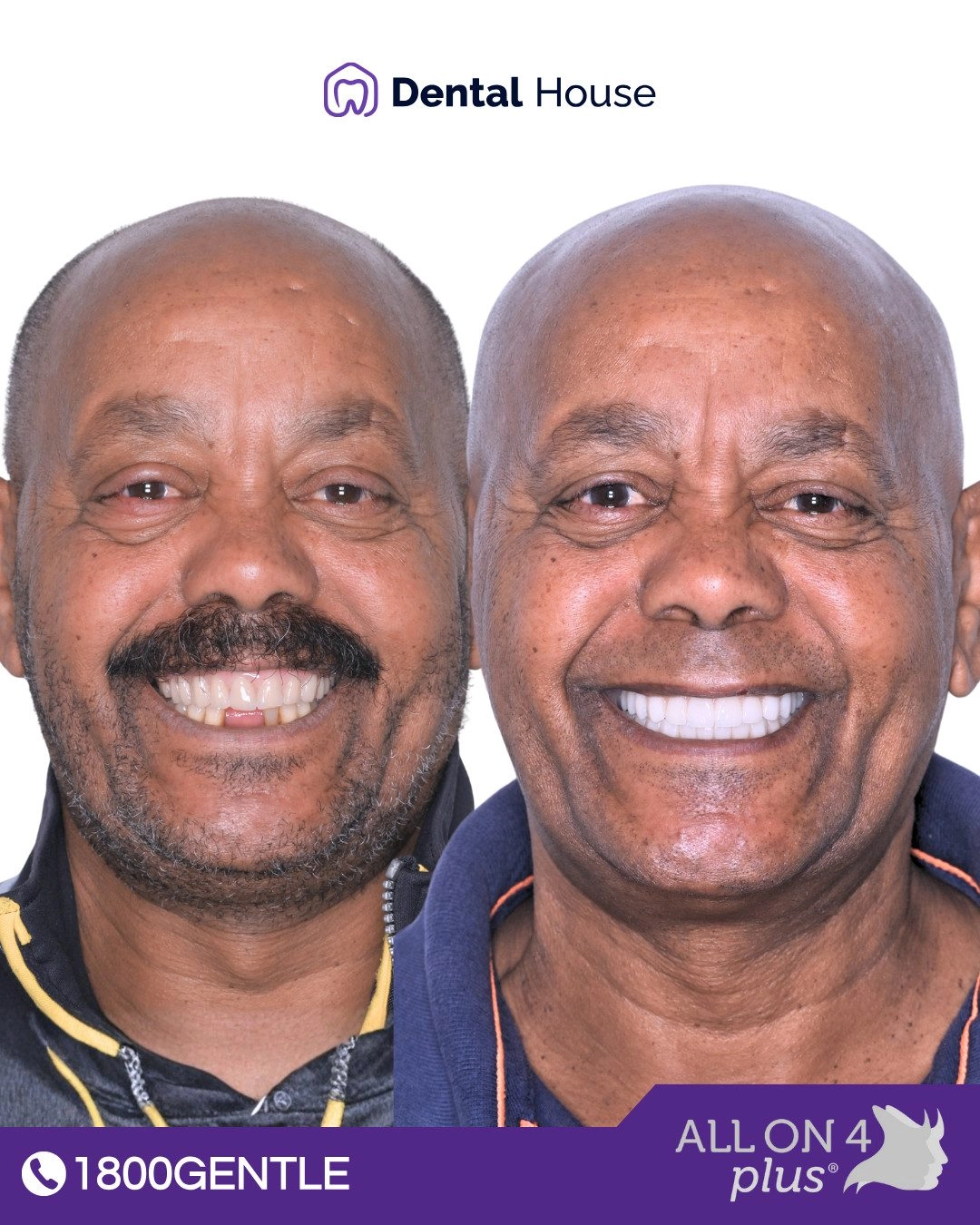
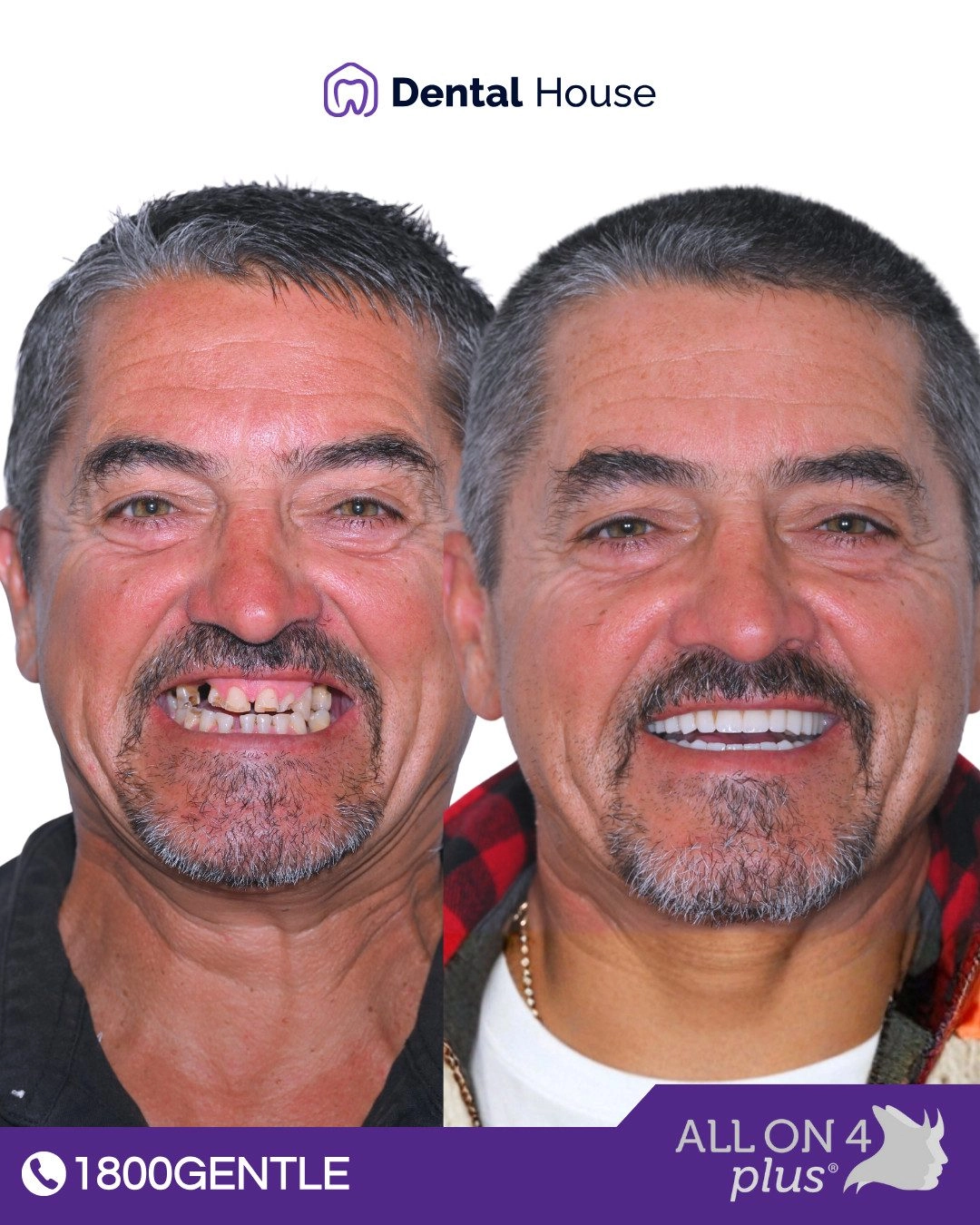
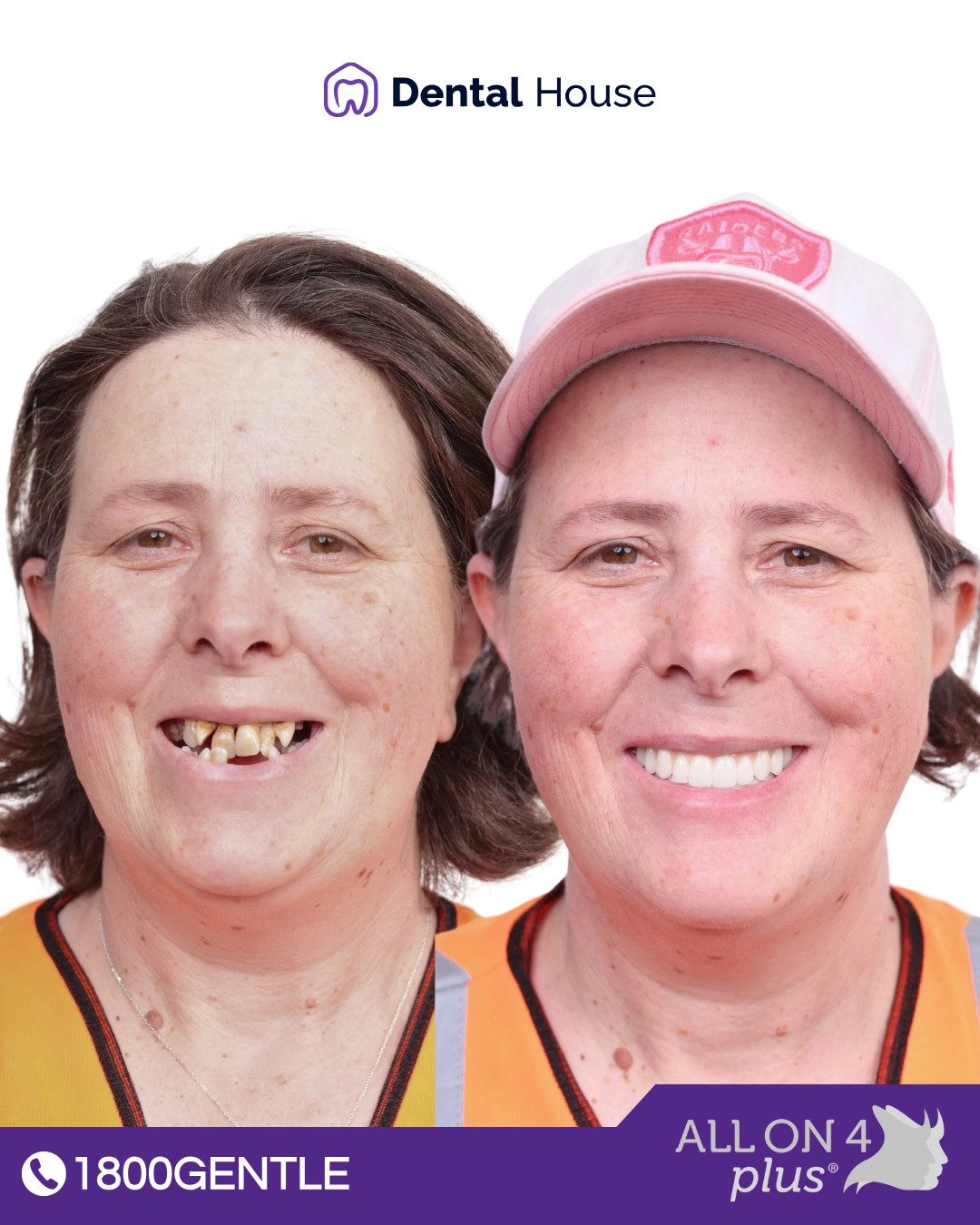
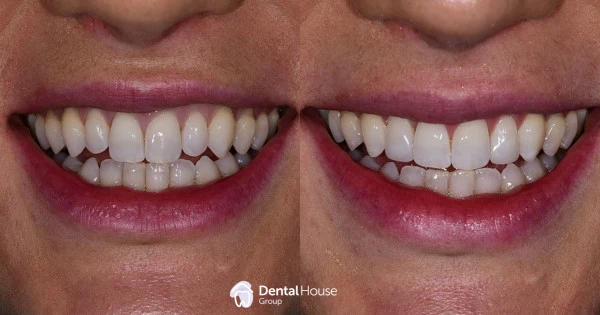
“I want to fix my smile, but I don’t want to grind my teeth down to nubs.” This concern comes up frequently at Melton Dental House when discussing cosmetic dental work. Many people have seen dramatic before photos showing teeth prepared for crowns and worry that’s what all cosmetic dentistry involves.
Here’s the good news: for purely aesthetic concerns, veneers often provide excellent results whilst preserving far more of your natural tooth structure than crowns require. Understanding the veneers vs crowns comparison helps you make informed decisions about the most appropriate treatment.
The key difference lies in how much tooth structure needs to be removed. This fundamental distinction affects everything from the procedure itself to the long-term health of your teeth.
Understanding the Structural Difference
Veneers: These are thin shells of porcelain bonded to the front surface of your teeth. Tooth preparation typically involves removing 0.5-0.7mm of enamel from the front of your tooth, roughly the thickness of a contact lens.
Crowns: These cover the entire tooth – front, back, sides, and chewing surface. Tooth preparation requires removing 1.5-2mm of tooth structure all around the tooth.
This difference in tooth reduction is substantial. Veneers preserve significantly more of your natural tooth structure, which has important implications for long-term tooth health.
When Veneers Are the Better Choice
For many aesthetic concerns, veneers provide excellent results without the extensive tooth reduction that crowns require.
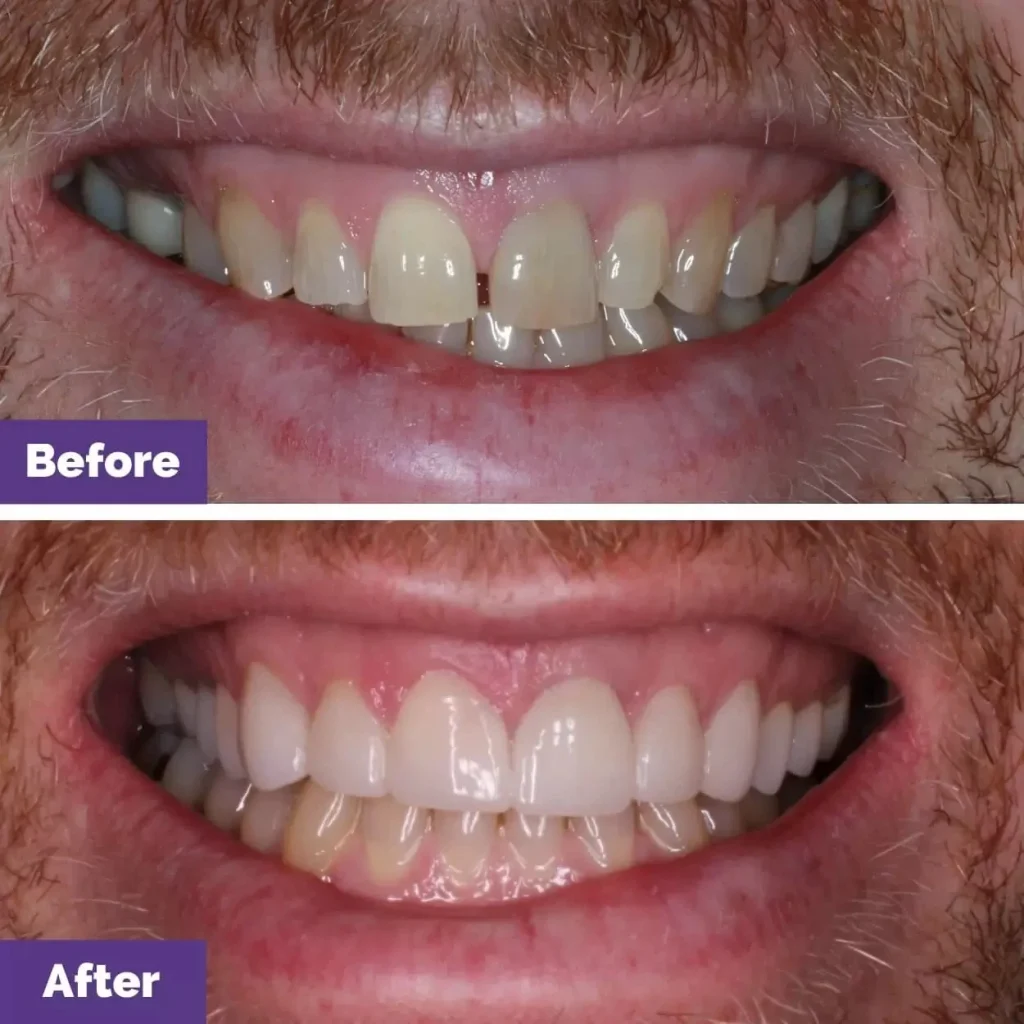
Discolouration: Teeth stained by tetracycline, fluorosis, or other causes that don’t respond to whitening can be beautifully masked with veneers.
Minor Chips or Wear: Small chips, worn edges, or uneven tooth lengths can be corrected with veneers that restore ideal shape whilst preserving healthy tooth structure.
Gaps Between Teeth: Small to moderate gaps can be closed with veneers that widen the teeth slightly.
Mild Misalignment: Teeth that are slightly rotated or out of position can sometimes be visually straightened with veneers.
Shape Irregularities: Teeth that are too small, pointed, or irregularly shaped can be reshaped with veneers.
The common thread in all these situations is that the underlying tooth structure is fundamentally sound. The issue is purely cosmetic.
When Crowns Are Necessary
The veneers vs crowns decision isn’t always a choice. Certain situations require the comprehensive coverage that only crowns provide.
Extensive Decay or Damage: If significant tooth structure has been lost to decay or fracture, a crown is needed to restore strength and function.
Root Canal Treatment: Back teeth that have had root canal treatment typically need crowns for protection against fracture.
Severe Wear: Teeth worn down by grinding may need crowns to restore proper height and protect against further damage.
Large Existing Fillings: Teeth with large fillings have limited remaining structure and often require crowns for long-term stability.
In these situations, the structural issues require the comprehensive coverage and support that crowns provide.
The Preservation Advantage
Preserving natural tooth structure offers several important benefits when comparing veneers vs crowns.
Enamel Retention: Veneers typically stay within the enamel layer of your tooth. Enamel is the strongest, most durable part of your tooth. Crowns often require removing enamel and reducing into the softer dentin layer beneath.
Tooth Sensitivity: Because veneers preserve more tooth structure and often stay within enamel, they typically cause less post-treatment sensitivity than crowns.
Structural Integrity: Keeping more of your natural tooth intact maintains better long-term structural integrity compared to the significant reduction required for crowns.
The Aesthetic Comparison
When comparing veneers vs crowns for purely aesthetic purposes, both can achieve beautiful results, but veneers offer some advantages.
Natural Translucency: Because veneers are thin and backed by your natural tooth, they can achieve exceptionally lifelike translucency that mimics natural enamel.
Gum Health: The minimal preparation for veneers typically keeps margins (edges) away from the gum line. Crown margins often extend at or below the gum line.
Customisation: Modern porcelain veneers can be precisely customised for shape, colour, and translucency to create incredibly natural results.
Longevity and Maintenance
Both veneers and crowns can last many years with proper care.
Veneer Lifespan: Modern porcelain veneers typically last 10-15 years or longer. Some patients enjoy their veneers for 20+ years with excellent care.
Crown Lifespan: Crowns similarly last 15-25 years or more, depending on materials and care.
Care Requirements: Both require similar maintenance – regular brushing, flossing, and dental check-ups. Avoid using teeth as tools or chewing very hard objects.
Replacement: If replacement is eventually needed, having preserved more tooth structure with veneers provides more options compared to teeth that have been significantly reduced for crowns.
Making the Right Choice
The veneers vs crowns decision should be based on your specific dental condition and goals.
A thorough examination helps your dentist determine which option is most appropriate. Sometimes the answer is clear based on structural considerations. Other times, both options might work, and personal preference plays a role.
Ask why your dentist is recommending one option over the other, what the specific benefits are for your situation, and think beyond immediate results to long-term tooth health. Preserving tooth structure when appropriate supports better long-term outcomes.
The Bottom Line on Veneers vs Crowns
When comparing veneers vs crowns for aesthetic concerns, veneers often provide excellent results whilst preserving significantly more natural tooth structure. This minimally invasive approach is appropriate when underlying tooth structure is sound and the primary goal is cosmetic improvement.
Crowns remain necessary when structural issues require comprehensive coverage and support. The key is working with an experienced cosmetic dentist who can recommend the most appropriate treatment for your specific situation.
Ready to explore your options for smile enhancement? Contact Melton Dental House today to discuss whether veneers or crowns are right for you. Call us at 03 8798 9798 or complete our enquiry form to schedule your cosmetic consultation.
Frequently Asked Questions
Can veneers be as strong as crowns?
For front teeth experiencing normal biting forces, modern porcelain veneers are quite strong and durable. However, crowns are generally stronger because they cover the entire tooth and can be made thicker. For back teeth handling heavy chewing forces, or teeth with structural damage, crowns typically provide superior strength and protection.
Will I need to replace my veneers eventually?
Like all dental restorations, veneers don’t last forever. However, with proper care, modern porcelain veneers often last 10-15 years or longer, with some lasting 20+ years. When replacement is eventually needed, having preserved more tooth structure with veneers provides more options compared to extensively prepared teeth.
Can I get veneers on just a few teeth or do I need my whole smile done?
You can absolutely get veneers on just one tooth or a few teeth, depending on your concerns and goals. However, for the most natural, harmonious result, many patients choose to veneer all visible teeth when smiling (typically 6-10 upper front teeth). Your dentist can help you determine the right number for your situation.
Services Mentioned
Give us a call at +61 3 8798 9798 or contact us by submitting the enquiry form below. We will be happy to help.