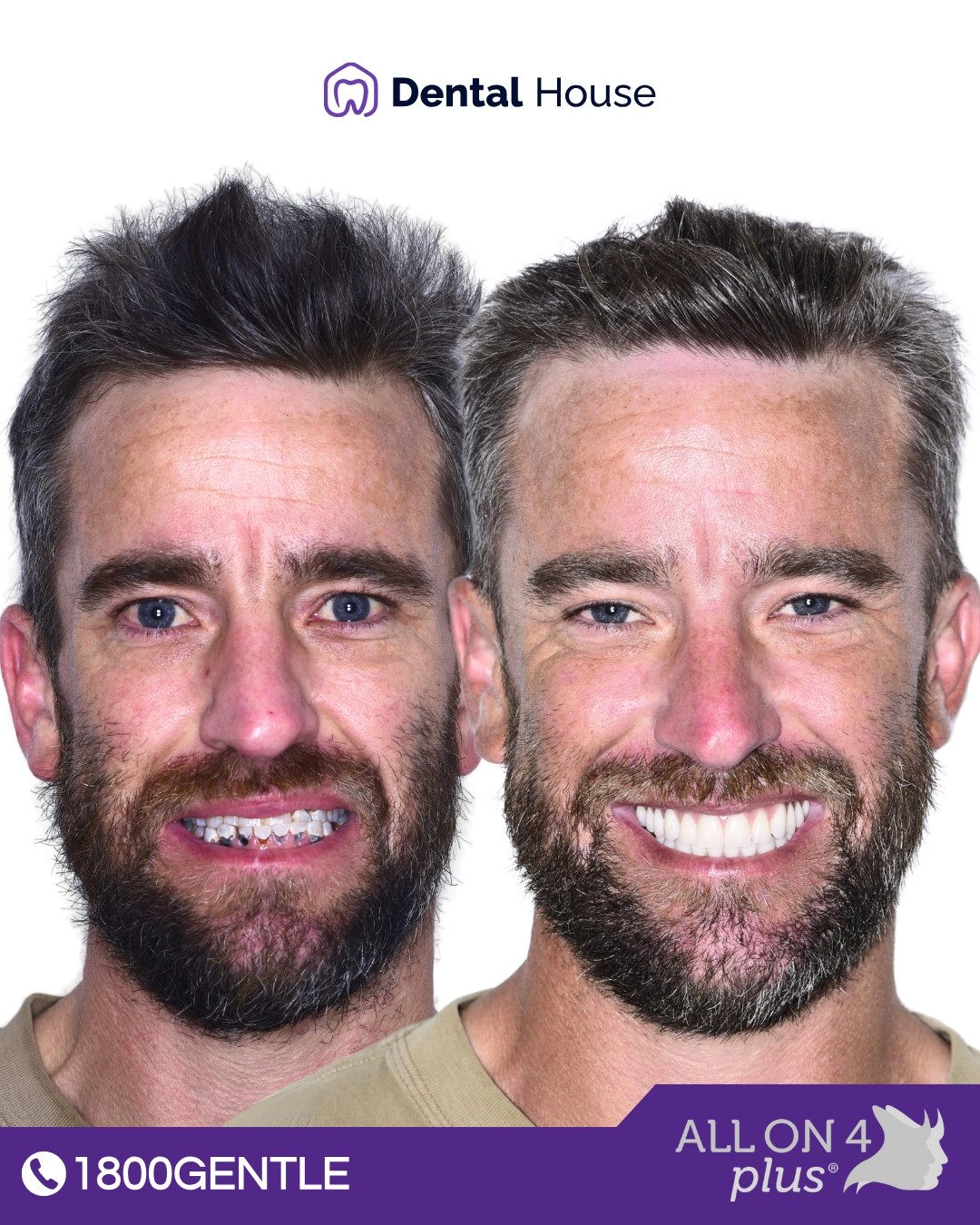
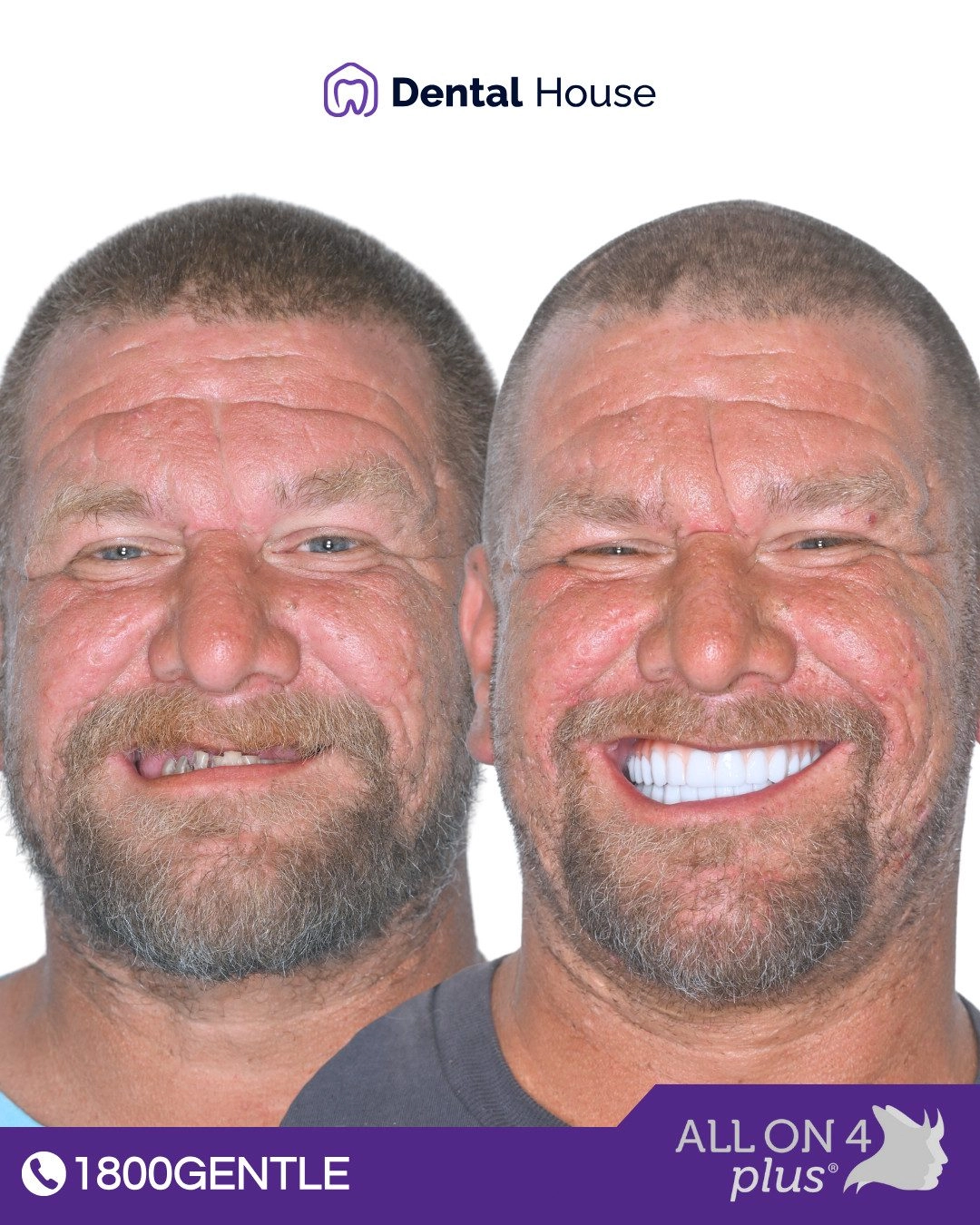
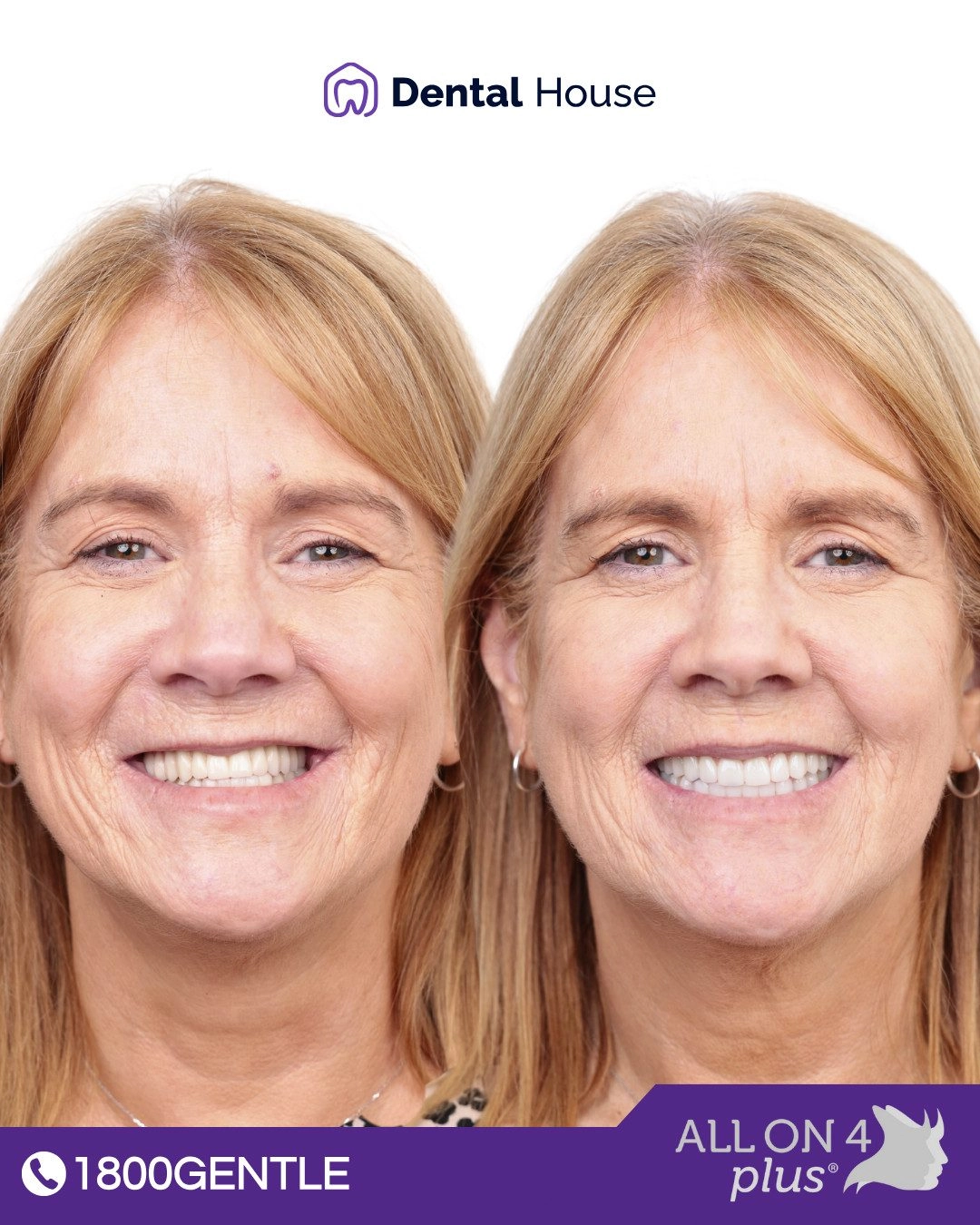

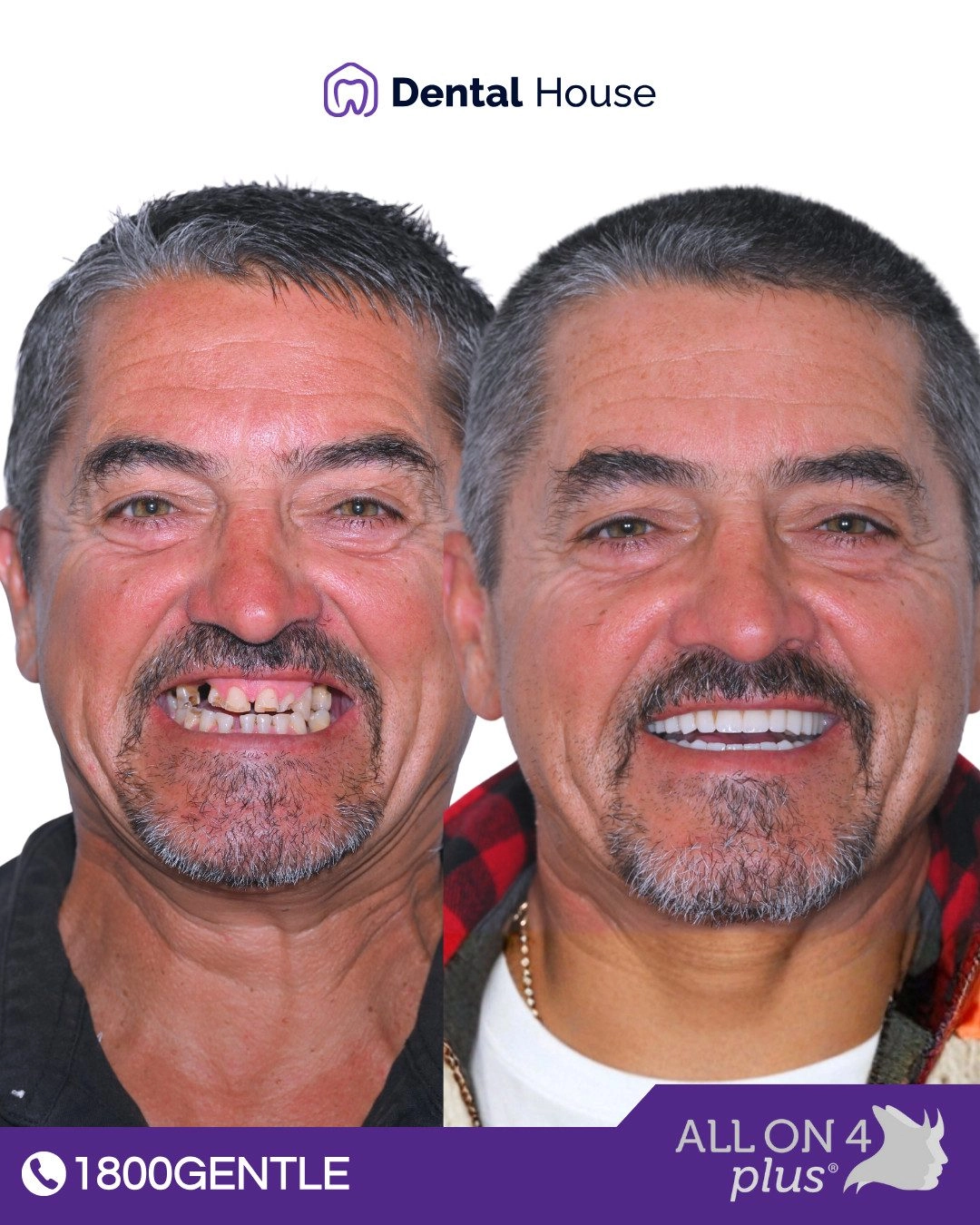
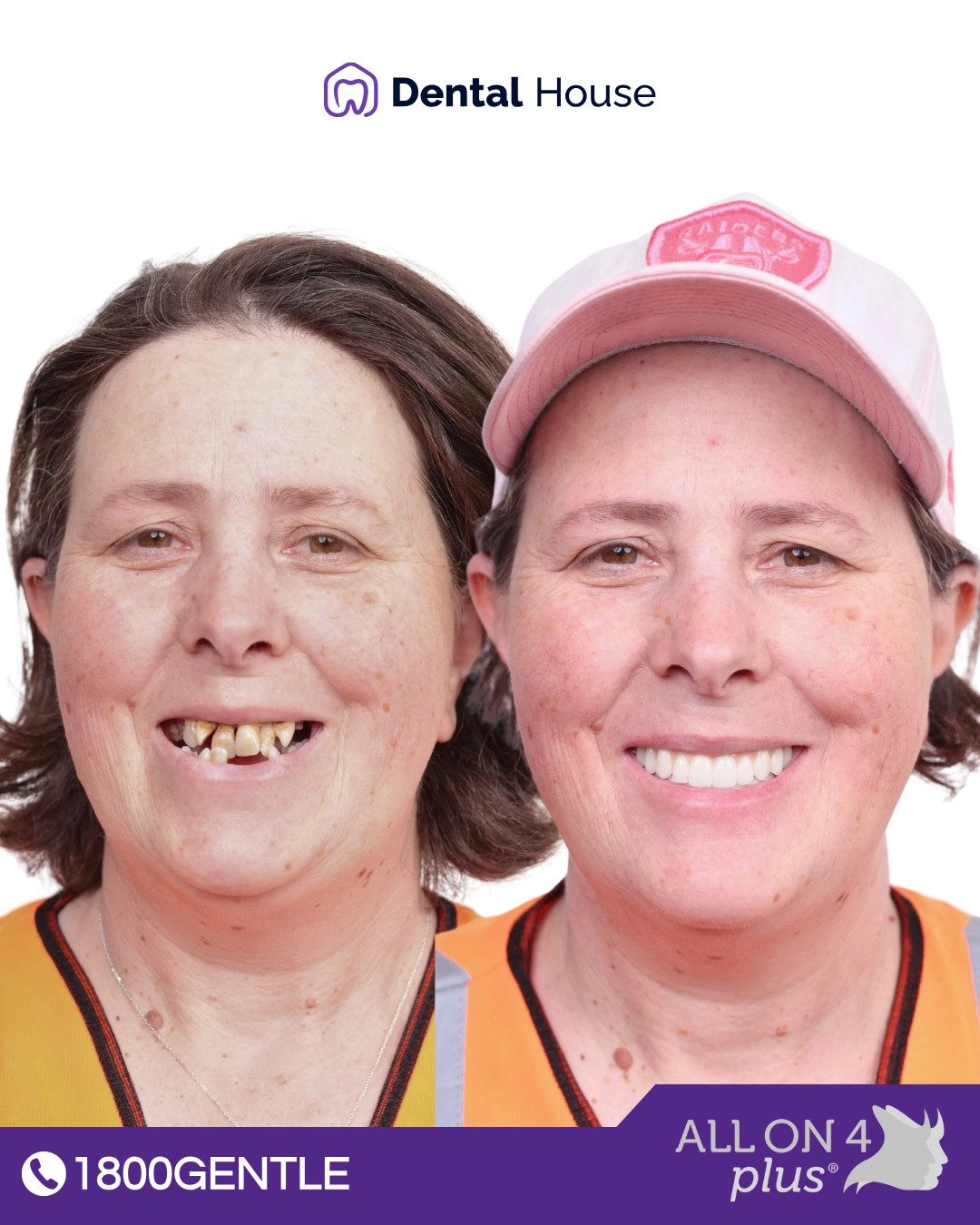
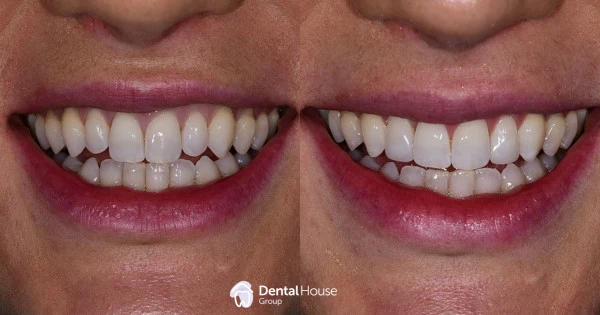
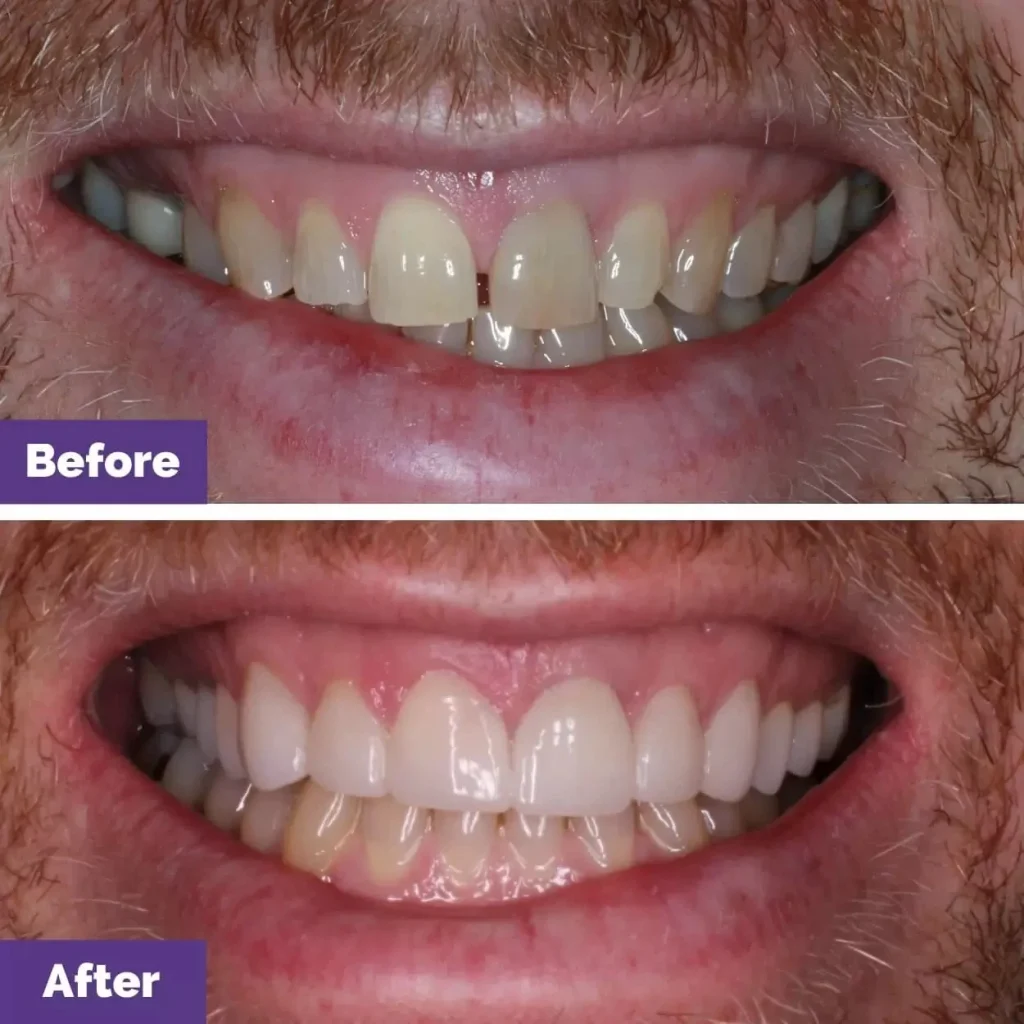
Modern dental implant technology has introduced new approaches to full-mouth restoration, with All On 4 Plus® representing one such advancement in implant dentistry. The concept of immediate final teeth has transformed how patients experience full-mouth rehabilitation, potentially allowing for functional teeth placement within a shortened timeframe.
According to the Australian Dental Association, dental implant procedures have evolved significantly over the past decade, with new protocols enabling faster treatment completion in suitable cases. The All On 4 Plus® system with immediate final teeth represents this evolution in implant-supported restoration approaches.
Understanding how immediate final teeth work within the All On 4 Plus® framework helps patients make informed decisions about their dental restoration options. This treatment approach differs from traditional implant methods in both timing and technique.
What Are Immediate Final Teeth?
Immediate final teeth refer to permanent prosthetic teeth that may be placed on dental implants within 1-2 days of implant placement, rather than waiting several months for traditional healing periods. This approach differs from temporary or interim solutions, as these teeth are designed to function as the patient’s long-term restoration.
The immediate final teeth concept relies on achieving sufficient initial implant stability at the time of placement. When implants achieve adequate primary stability in suitable bone conditions, they may support immediate loading with a full-arch prosthesis.
Traditional implant protocols typically involve a healing period of 3-6 months before placing final restorations. The immediate final teeth approach aims to reduce this waiting period by placing permanent teeth shortly after implant insertion, when clinical conditions permit.
The All On 4 Plus® Protocol
All On 4 Plus® builds upon established implant concepts by using strategic implant placement to support a full arch of teeth. The protocol typically involves placing four to six implants in predetermined positions to maximise available bone and support the prosthetic restoration.
The “Plus” component may include additional implants or enhanced techniques compared to traditional All On 4 approaches. This can provide increased stability and support for the immediate final teeth, particularly important when loading implants shortly after placement.
Careful treatment planning using advanced imaging technology helps determine implant positions and assess bone quality. This planning phase is crucial for the immediate final teeth protocol, as it helps predict whether conditions are suitable for immediate loading.
Treatment Timeline and Process
Day One: Assessment and Planning
Comprehensive examination and imaging help determine suitability for immediate final teeth placement. Factors assessed include bone density, oral health status, and anatomical considerations that may affect implant stability.
Treatment planning involves designing the prosthetic restoration before implant placement, ensuring proper fit and function when immediate final teeth are placed.
Day of Surgery: Implant Placement
Dental implants are placed according to the pre-planned positions. Initial stability is measured to determine if conditions are suitable for immediate final teeth placement.
If adequate stability is achieved, impressions or digital scans may be taken to fabricate the immediate final teeth restoration.
Within 1-2 Days: Immediate Final Teeth Placement
When conditions are favourable, the immediate final teeth restoration is fitted and adjusted. This restoration is designed to function as the patient’s permanent teeth from the time of placement.
Initial dietary modifications may be recommended to protect the healing tissues and newly placed immediate final teeth during the initial healing period.
Clinical Considerations and Requirements
Patient Selection Criteria
Not all patients may be suitable candidates for immediate final teeth placement. Factors that influence candidacy include:
- Adequate bone density and volume
- Good oral hygiene and overall health
- Realistic expectations about treatment outcomes
- Ability to follow post-treatment care instructions
- Absence of certain medical conditions that may affect healing
Implant Stability Requirements
Immediate final teeth placement depends on achieving sufficient primary implant stability. This is measured during implant placement and must meet specific thresholds to support immediate loading.
Bone quality and density significantly influence initial stability. Dense bone typically provides better primary stability than softer bone types.
Prosthetic Design Considerations
Immediate final teeth must be designed to distribute loading forces appropriately across the implants. The restoration design considers factors such as:
- Bite forces and chewing patterns
- Implant positions and angulations
- Material selection for durability
- Aesthetic requirements and patient preferences
Advantages and Limitations
Potential Benefits
The immediate final teeth approach may offer several advantages for suitable candidates:
- Reduced treatment time compared to traditional protocols
- Fewer surgical appointments
- Maintenance of facial support during healing
- Ability to eat soft foods shortly after treatment
- Psychological benefits of having teeth immediately
Important Limitations
Immediate final teeth placement may not be suitable for all cases:
- Requires specific bone conditions for success
- May have dietary restrictions during initial healing
- Not all implant positions may achieve adequate stability
- Complications may require conversion to traditional healing protocols
- Success depends on patient compliance with care instructions
Healing Considerations
Even with immediate final teeth, proper healing remains essential. The underlying tissues continue to heal around the implants over several months, and regular monitoring is important during this period.
Post-Treatment Care and Maintenance
Initial Healing Period
During the first few weeks after immediate final teeth placement in our Melton clinic, patients typically follow modified eating guidelines. Soft foods are usually recommended to avoid excessive forces on the healing implants.
Regular follow-up appointments monitor the healing process and ensure proper integration of the implants with surrounding bone tissue.
Long-term Maintenance
Immediate final teeth require ongoing maintenance similar to traditional implant restorations. This includes:
- Regular professional cleanings and examinations
- Daily oral hygiene with appropriate techniques
- Periodic adjustments or maintenance as needed
- Long-term monitoring of implant health
Dietary Considerations
While immediate final teeth allow for eating shortly after placement, gradual introduction of foods is typically recommended. Hard or sticky foods may be restricted initially to protect the healing tissues.
Cost and Treatment Investment
The immediate final teeth approach may influence treatment costs compared to traditional implant protocols. Factors affecting investment include:
- Reduced number of appointments
- Specialised planning and fabrication requirements
- Laboratory costs for immediate restoration
- Follow-up care and monitoring needs
Treatment costs vary based on individual requirements, complexity, and geographic factors.
Many dental practices offer payment plans to help patients manage treatment investment over time.
Understanding Your Options
The All On 4 Plus® immediate final teeth approach represents one option in modern implant dentistry, suitable for patients who meet specific clinical criteria. Understanding the process, requirements, and limitations helps patients make informed decisions about their dental restoration needs.
Success with immediate final teeth depends on careful patient selection, precise treatment planning, and adherence to post-treatment care protocols. Not every patient will be a candidate for this approach, and traditional implant protocols remain appropriate for many cases.
At Melton Dental House, we provide comprehensive consultations to help patients understand their implant restoration options. We assess individual cases to determine the most suitable treatment approach based on clinical findings and patient goals.
To learn more about immediate final teeth and All On 4 Plus® treatment options, contact Melton Dental House at 03 8798 9798 or complete our enquiry form to schedule a consultation where we can discuss your specific needs and treatment possibilities.
Frequently Asked Questions
Are immediate final teeth as durable as traditional implant restorations?
When properly planned and executed in suitable candidates, immediate final teeth can be as durable as traditional implant restorations. The key factors are achieving adequate initial implant stability and following proper healing protocols. Long-term success depends on patient compliance with care instructions and regular maintenance.
What happens if immediate final teeth cannot be placed on the same day as implants?
If conditions at the time of implant placement are not suitable for immediate final teeth, treatment can proceed with traditional healing protocols. Temporary restorations may be provided while implants integrate with the bone over several months before placing final restorations.
Can I eat normally with immediate final teeth right after placement?
While immediate final teeth allow for eating shortly after placement, dietary modifications are typically recommended during the initial healing period. Soft foods are usually advised for the first few weeks, with gradual introduction of firmer foods as healing progresses and as directed by your dental team.