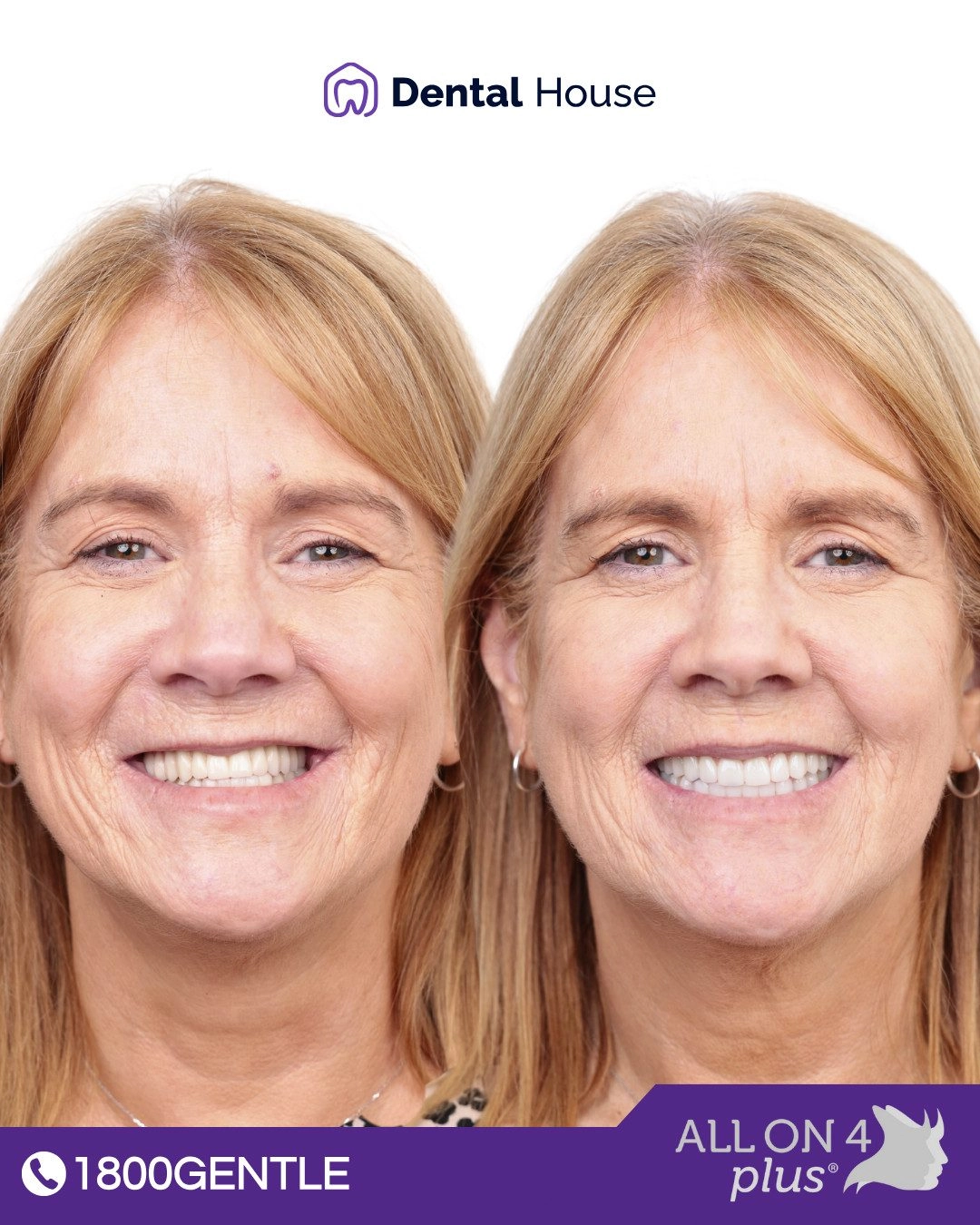

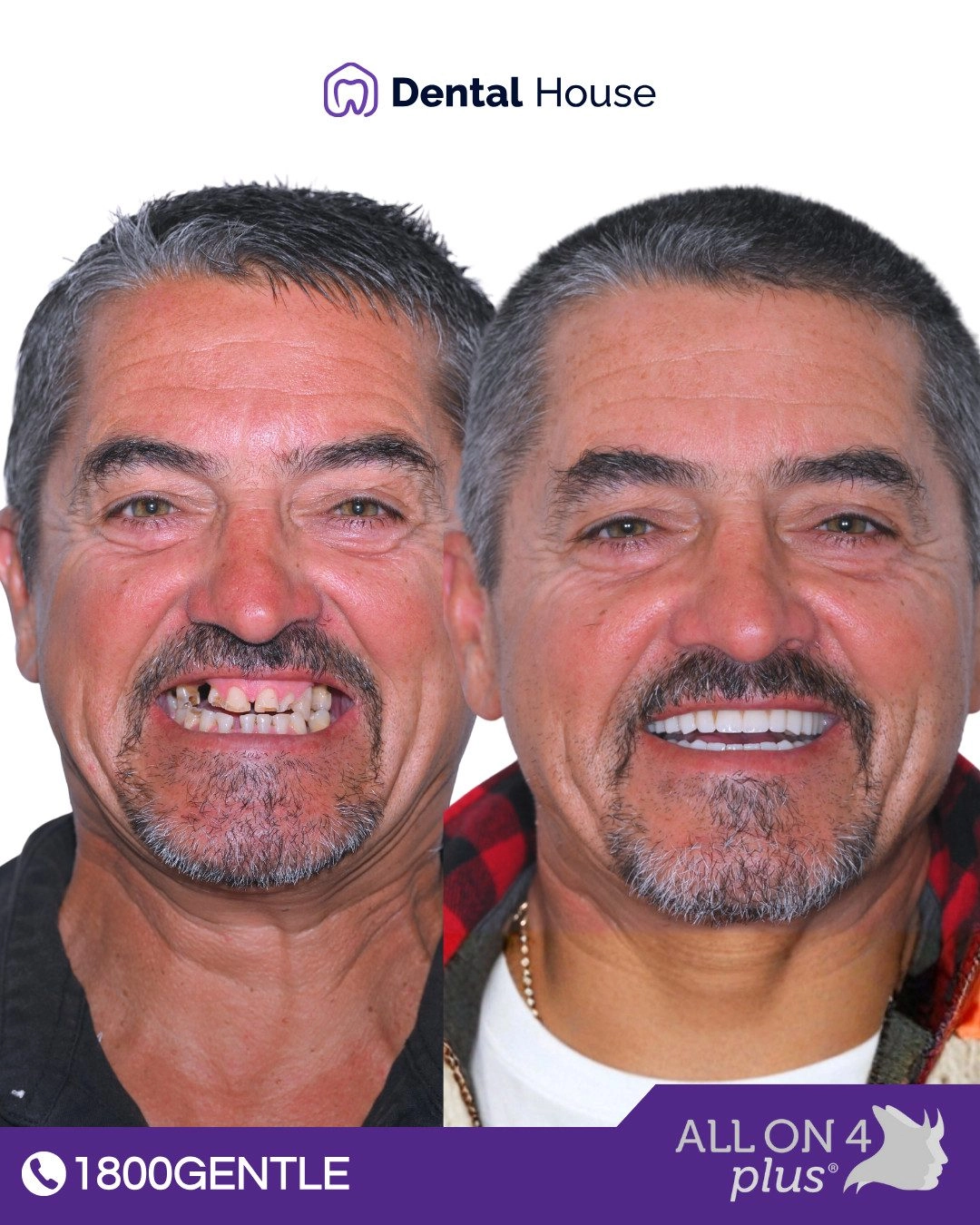
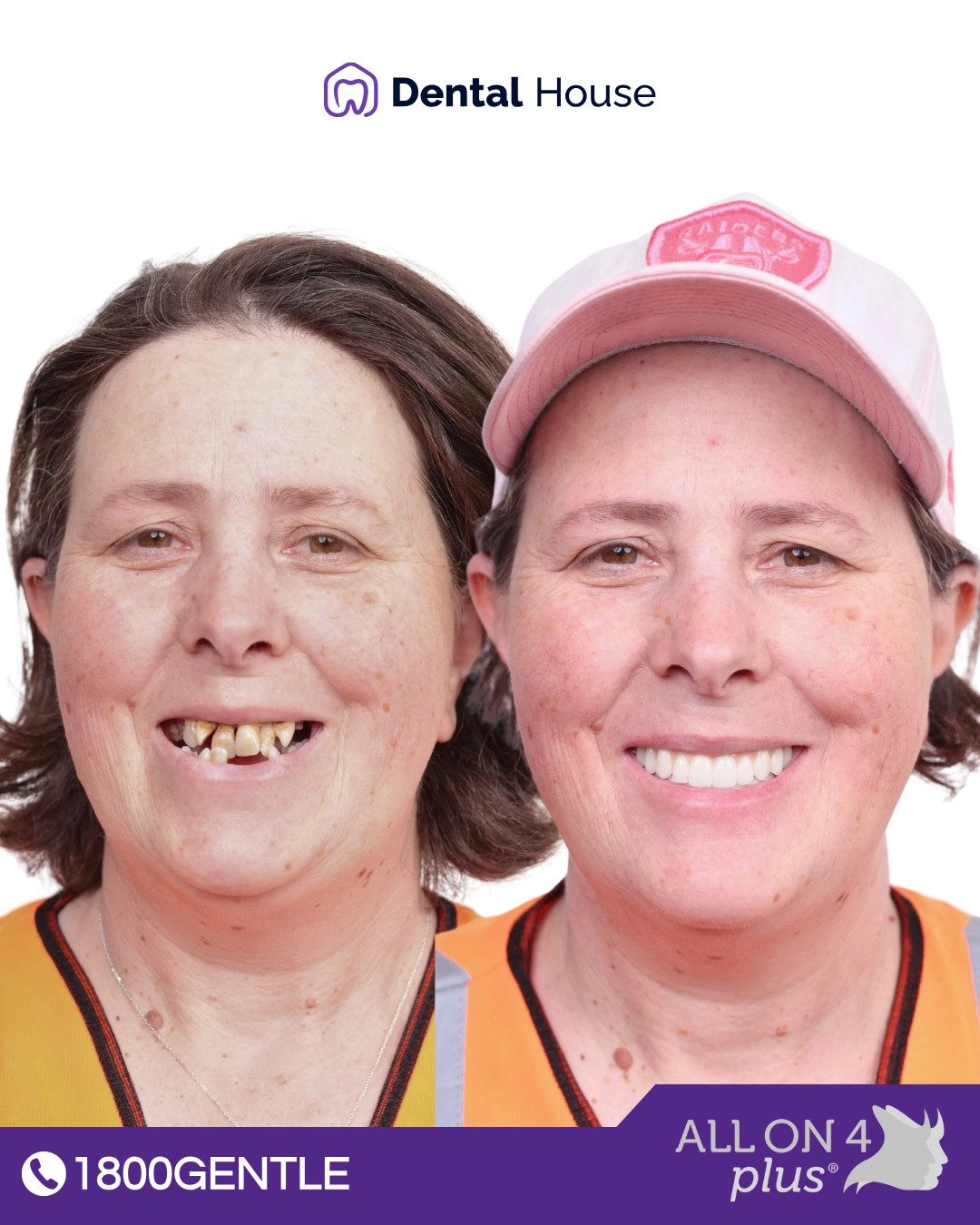
Case Note ID: Dec-2024-CV
Location: New Gisborne Dental House (serving Gisborne, New Gisborne, Macedon and surrounding areas)
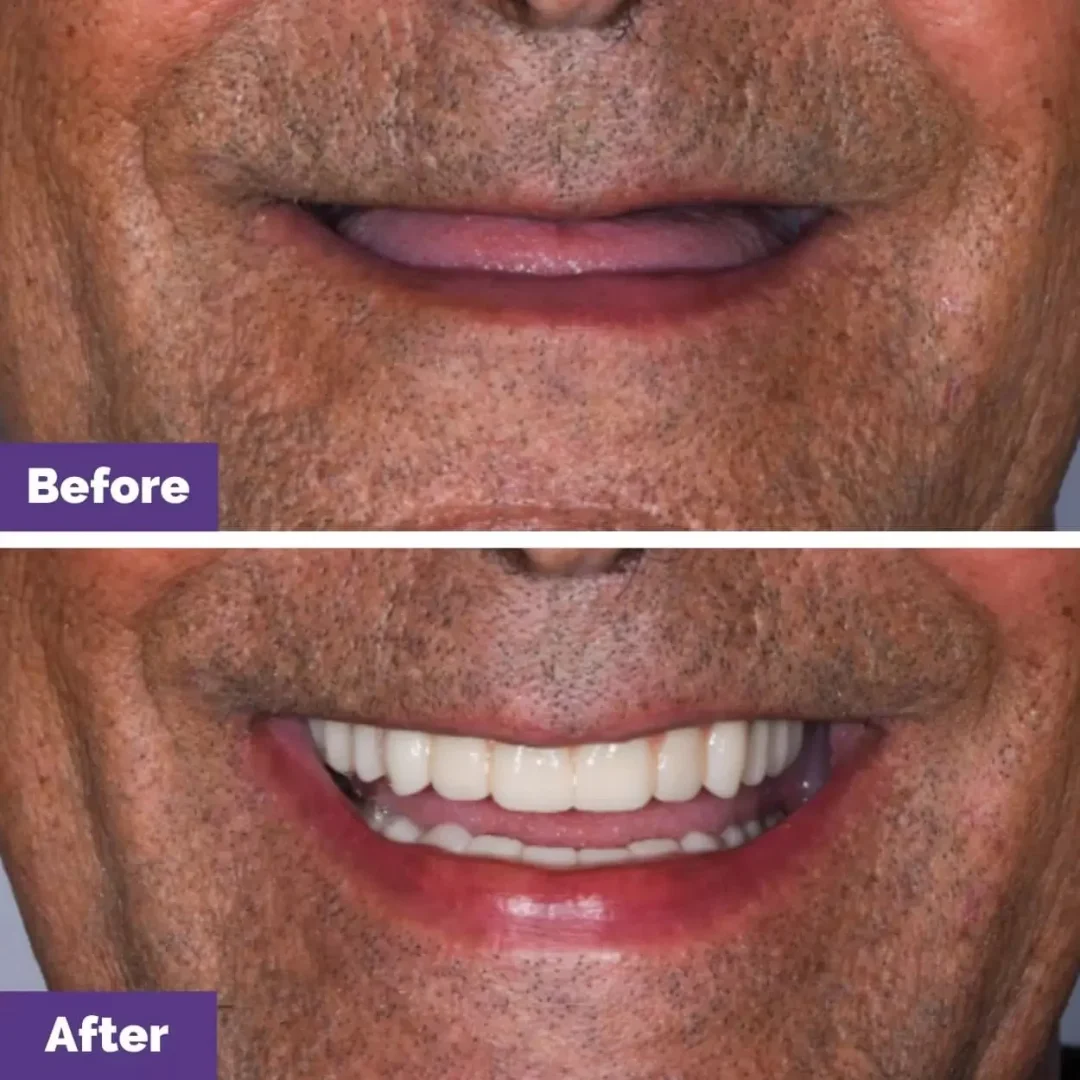
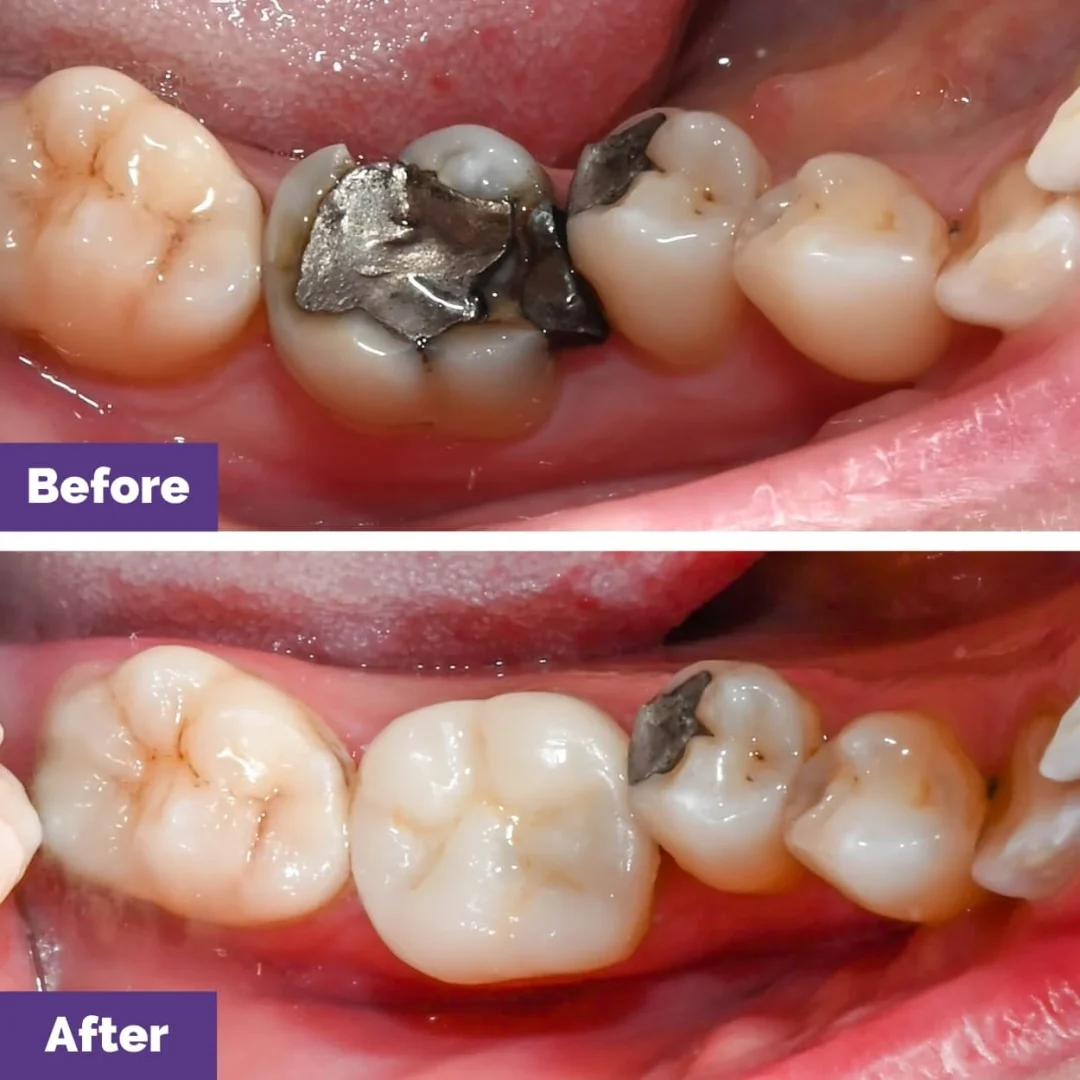
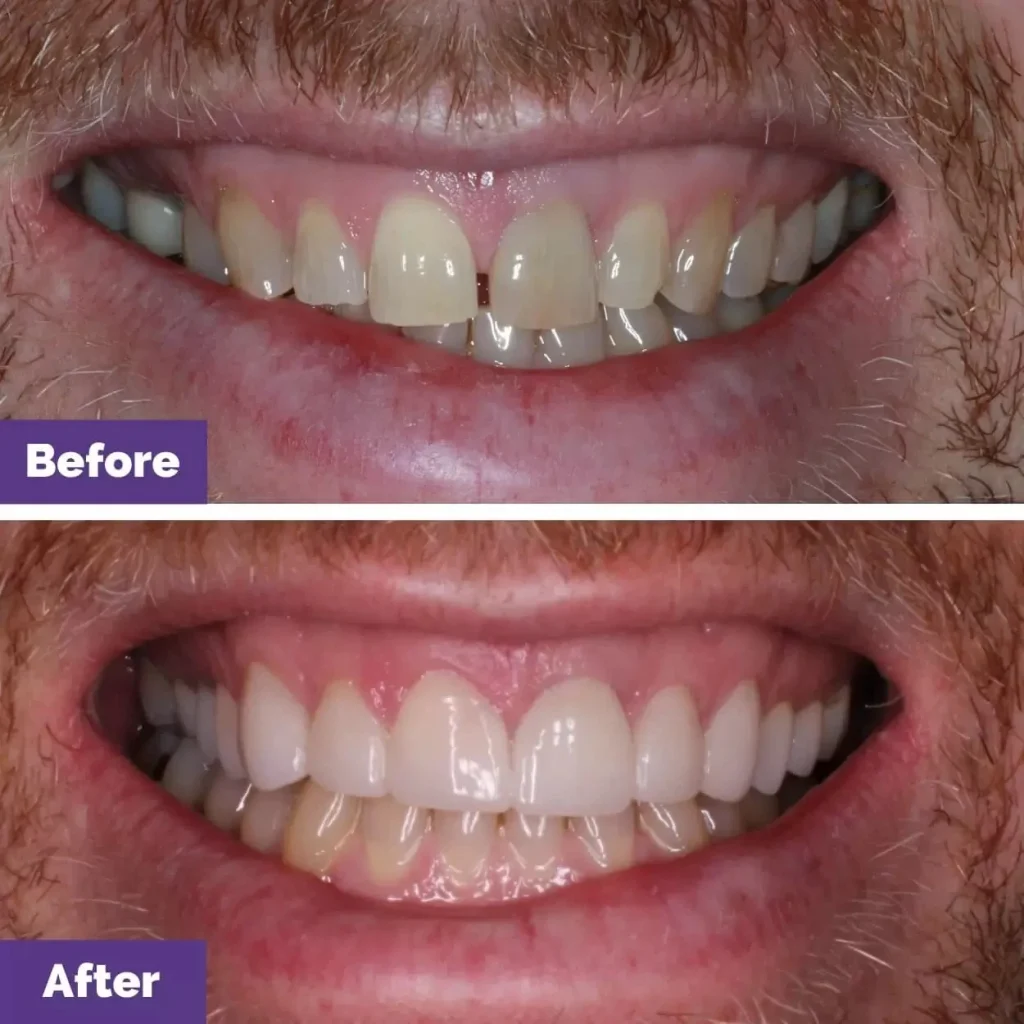
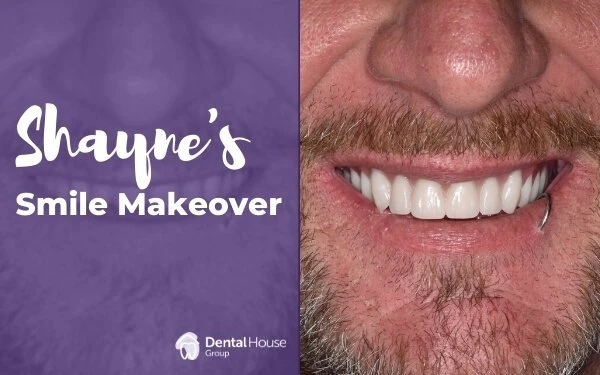
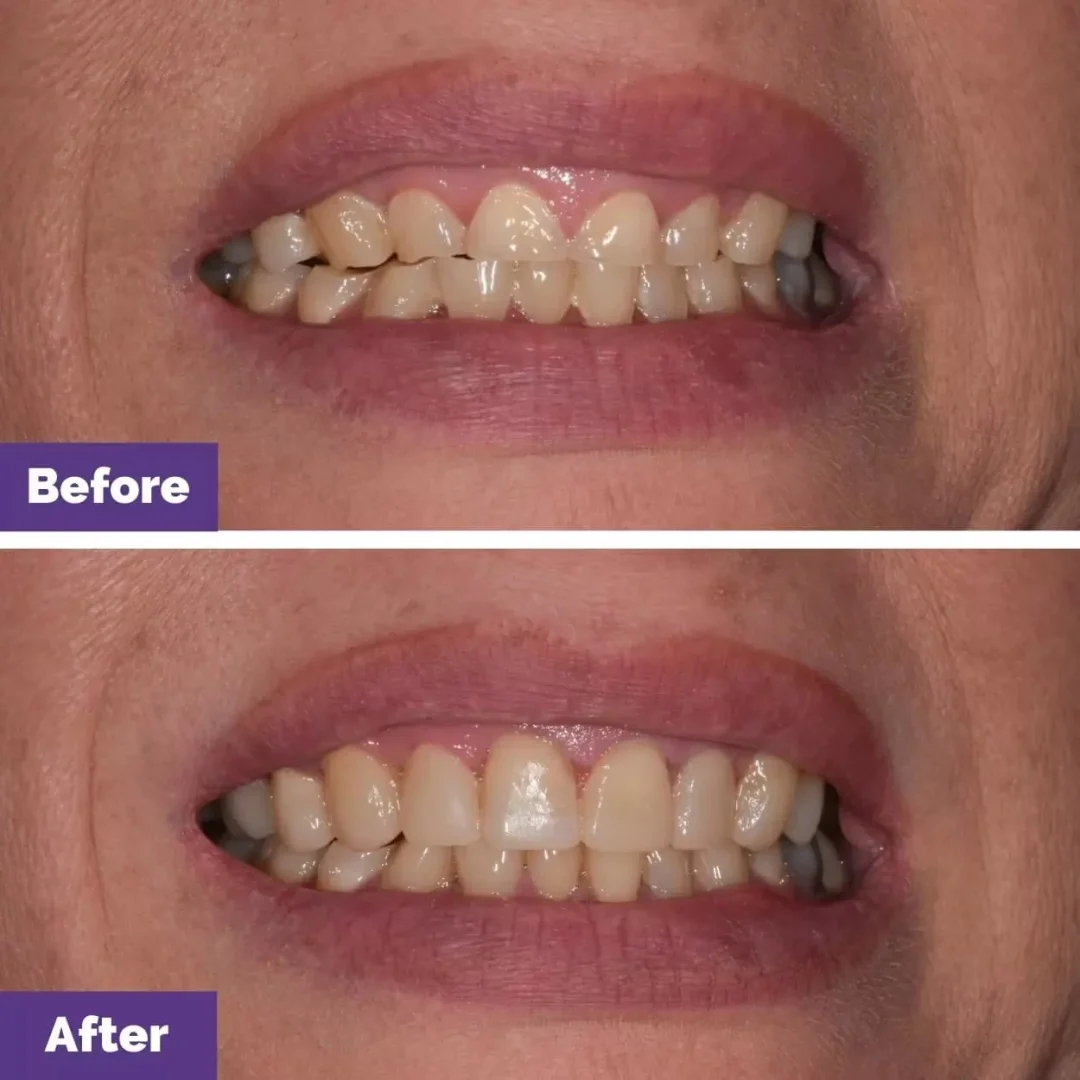
Primary Treatments: Direct composite resin veneers
Supporting Technology: Contemporary composite resin systems, shade matching
- Teeth appearing disproportionately small relative to facial features
- Reduced vertical tooth dimension creating short appearance
- Patient concerns regarding aesthetic appearance affecting confidence
- Assessment of tooth structure availability for conservative addition
- Primary objective: Improve tooth size and proportion through additive technique
Phase 1: Assessment and Design Planning
- Evaluation of existing tooth dimensions and proportions
- Assessment of smile line and tooth display during speech and smiling
- Occlusal analysis to determine available space for restoration addition
- Discussion of composite versus porcelain veneer options
- Shade selection and contour planning for natural appearance
Phase 2: Direct Composite Veneer Placement
- Minimal or no tooth preparation depending on individual anatomy
- Isolation using rubber dam or alternative moisture control
- Tooth surface preparation for optimal bonding
- Incremental composite resin layering to build desired contours
- Immediate shaping and polishing to final form
- Occlusal adjustment to ensure proper bite relationships
Phase 3: Follow-up and Maintenance
- Review appointment to assess comfort and aesthetics
- Minor adjustments if required following initial settling period
- Instructions for maintenance and stain prevention
- Discussion of regular professional polishing requirements
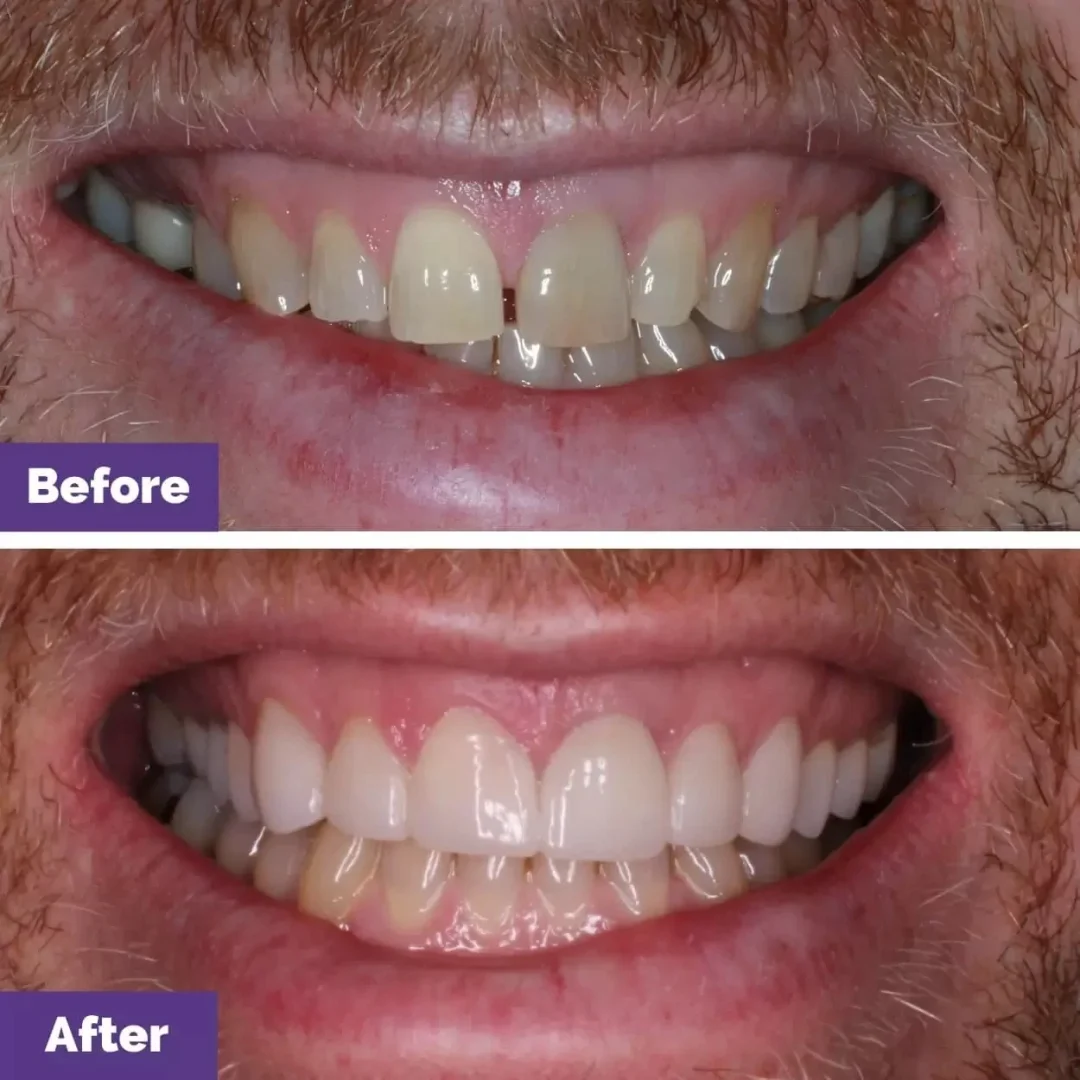
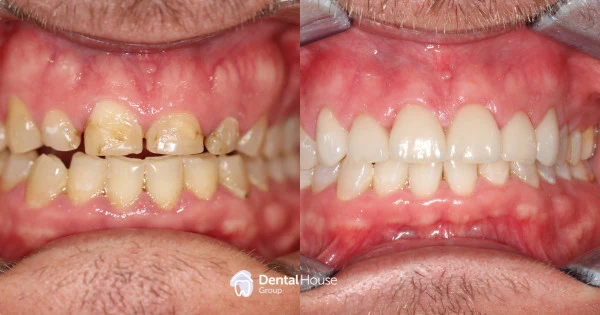
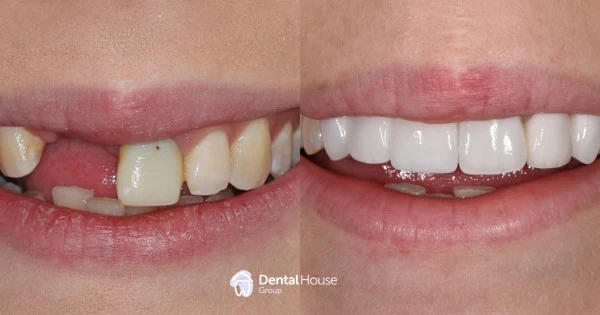
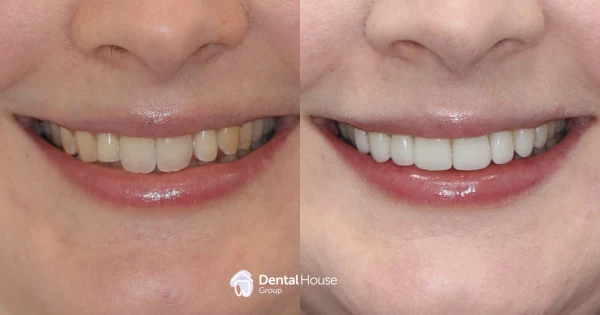
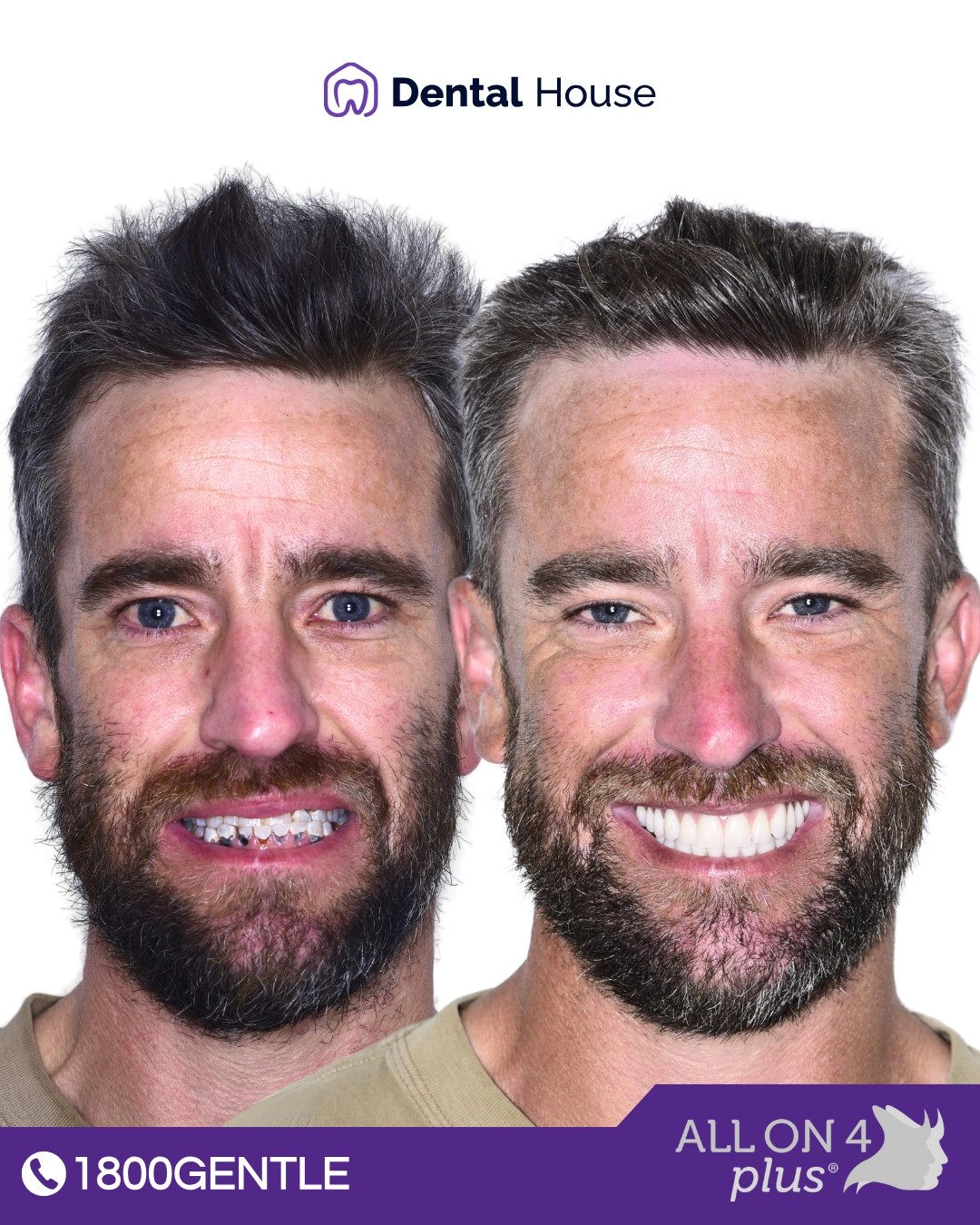
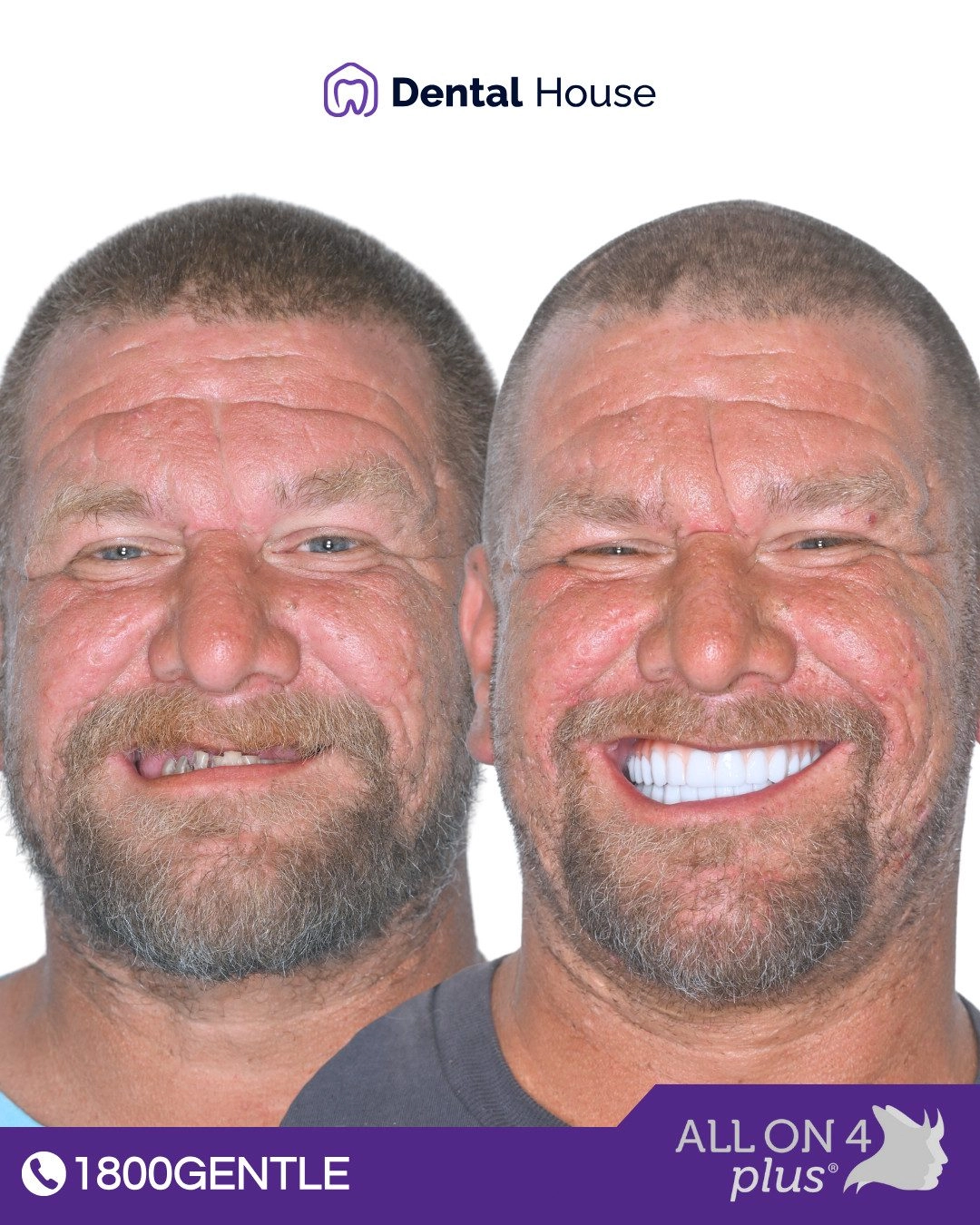
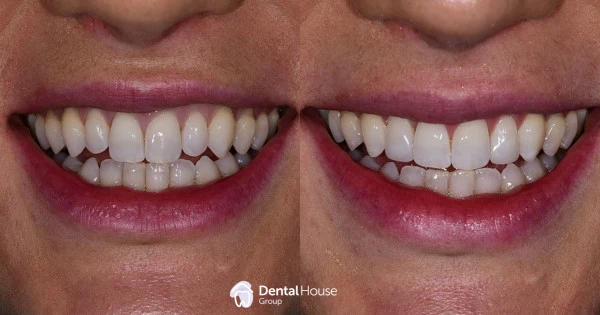
Direct composite veneers were placed to increase tooth dimensions and improve proportions. This additive approach requires minimal tooth preparation compared to traditional porcelain veneers, preserving natural tooth structure. Composite materials allow immediate completion in single appointments, though aesthetic outcomes depend on material properties and clinical technique.
Individual responses to composite veneer treatment vary significantly. Treatment outcomes cannot be guaranteed. Composite veneers are more prone to staining, chipping and wear compared to porcelain alternatives. Typical longevity ranges from 5-7 years, significantly shorter than porcelain veneers. Regular polishing and maintenance appointments are necessary to maintain appearance. Not all aesthetic concerns can be fully addressed through additive composite techniques alone.
What is the difference between composite and porcelain veneers?
Composite veneers are built directly in the mouth during single appointments at lower cost but have reduced longevity (5-7 years) and stain more readily. Porcelain veneers are laboratory-fabricated, require multiple appointments and higher investment but offer superior aesthetics, stain resistance and durability (typically 10-15 years). Material selection depends on budget, timing and longevity expectations.
Do composite veneers require tooth preparation?
Composite veneers often require minimal or no tooth preparation, making them more conservative than porcelain alternatives. However, some cases benefit from slight enamel modification to optimise bonding and contours. The additive nature preserves natural tooth structure, though existing restorations may require replacement for optimal aesthetics.
How do I maintain composite veneers?
Composite materials require regular professional polishing (typically every 6 months) to maintain surface lustre and minimise staining. Avoiding excessive consumption of staining substances (coffee, tea, red wine, curry) helps preserve appearance. Careful oral hygiene and avoiding biting hard objects reduces chipping risk. Despite proper maintenance, composite veneers typically require replacement sooner than porcelain alternatives.
Give us a call at +61 3 8798 9798 or contact us by submitting the enquiry form below. We will be happy to help.