Orthodontic relapse occurs when teeth that were previously straightened with braces or other orthodontic treatment gradually shift back towards their original positions. This phenomenon affects a significant portion of patients who have completed orthodontic treatment, making understanding of orthodontic relapse solutions important for long-term dental health planning.
According to the Australian Society of Orthodontists, some degree of tooth movement after orthodontic treatment is considered normal as teeth naturally settle into their positions. However, significant relapse may require consideration of additional treatment options to address shifting that affects function or appearance.
Understanding the factors that contribute to orthodontic relapse and the available treatment approaches helps patients make informed decisions about managing post-treatment tooth movement. Various orthodontic relapse solutions exist, each with specific considerations and applications.
What Causes Orthodontic Relapse?
Natural Tooth Movement
Teeth naturally experience slight movement throughout life due to ageing processes, jaw growth changes, and functional forces from chewing and speaking. The periodontal ligament maintains flexibility, allowing minor positional changes that may contribute to orthodontic relapse over time.
Retention Protocol Factors
Inadequate retention following orthodontic treatment is a common contributing factor to relapse. Factors affecting retention success include:
- Consistency of retainer wear as prescribed
- Proper retainer fit and function
- Duration of retention protocol followed
- Type of retention appliance used
Growth and Development Changes
Continued facial growth, particularly in younger patients, can influence tooth positions after orthodontic treatment. Late growth changes in the lower jaw are particularly associated with lower front tooth crowding.
Oral Habits and Function
Persistent oral habits such as tongue thrusting, mouth breathing, or grinding can create forces that contribute to orthodontic relapse. Changes in oral function due to dental work or extractions can also influence tooth positions over time.
Types and Patterns of Orthodontic Relapse
Lower Front Tooth Crowding
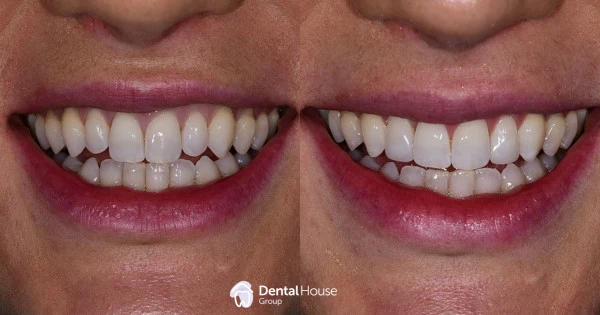
The most common pattern of orthodontic relapse involves crowding of the lower front teeth. This area is particularly susceptible to relapse due to the smaller root surface area and continued growth pressures.
Lower incisor irregularity may develop gradually over years following treatment completion, sometimes becoming noticeable several years after orthodontic treatment.
Spacing Recurrence
Patients who had spaces closed during orthodontic treatment may experience space reopening, particularly between front teeth. This type of relapse may be influenced by tongue habits or the natural tendency for teeth to return to previous positions.
Bite Changes
Relapse may affect bite relationships that were corrected during previous treatment. Overbite, underbite, or crossbite patterns may partially return if retention is inadequate or discontinued too early.
Rotation Relapse
Teeth that were rotated during orthodontic treatment show a strong tendency to return to their original positions. Rotational relapse often occurs relatively quickly after retention is discontinued.
Assessment of Orthodontic Relapse
Assessment involves examining current tooth positions compared to post-treatment records. Factors evaluated include degree of crowding changes, bite relationship alterations, and functional impacts of relapse.
Current photographs, models, or digital scans may be compared with post-treatment records to quantify relapse extent. Understanding patient concerns about shifted tooth positions helps guide treatment planning approaches.
Orthodontic Relapse Solutions and Treatment Options
Retainer Therapy
For minor orthodontic relapse, modified retention protocols may help limit further movement. New retainers designed to apply gentle corrective forces may improve minor irregularities over time.
This approach is typically suitable for minimal relapse patterns and requires patient compliance with consistent wear schedules.
Limited Orthodontic Retreatment
Focused orthodontic treatment in our Melton clinic targeting specific areas of relapse may be appropriate for localised problems. This approach typically involves shorter treatment times than comprehensive retreatment.
Limited treatment may use various appliances including:
- Removable aligners for minor corrections
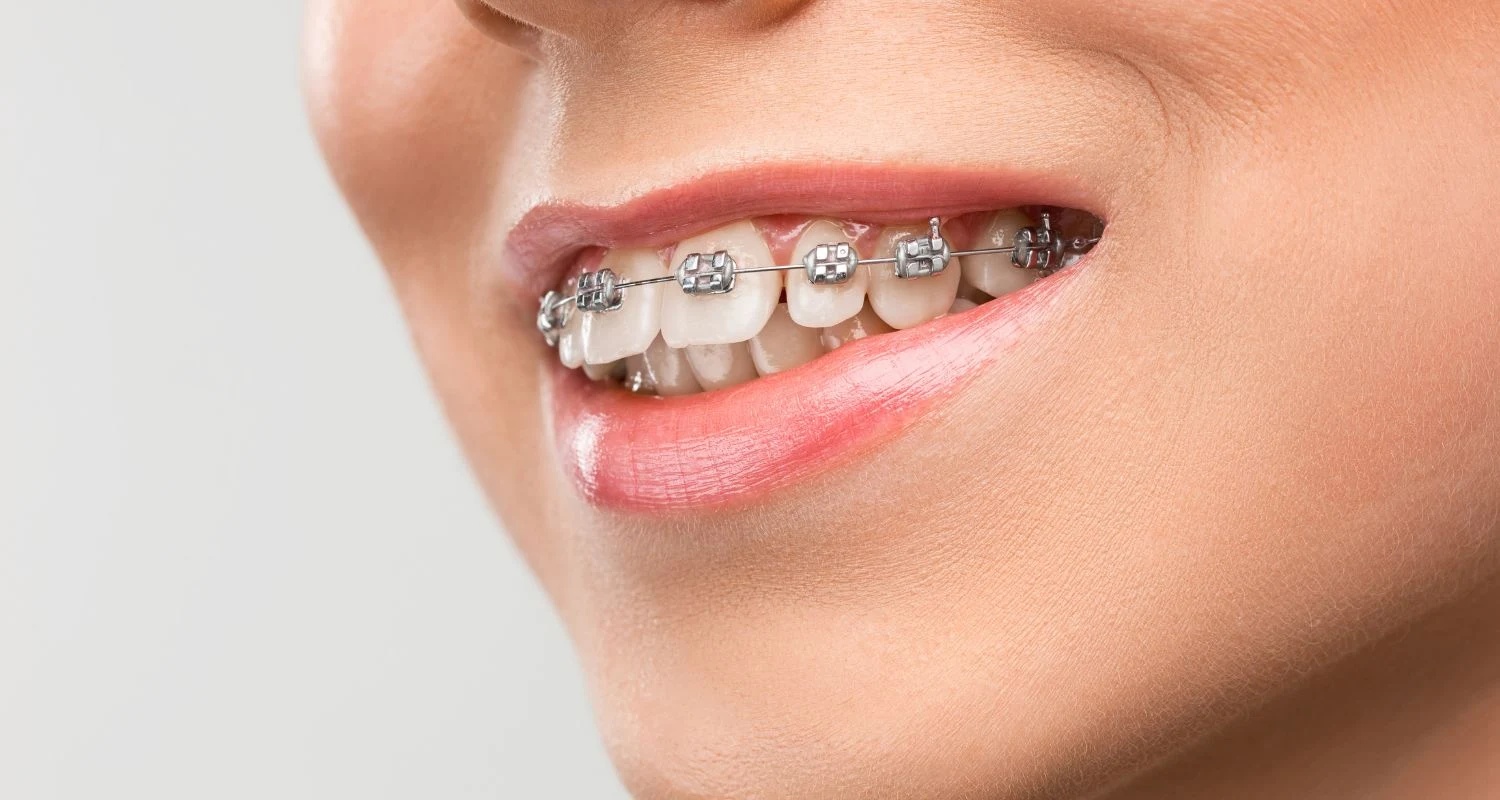
- Partial fixed appliances for specific tooth movements
- Short-term comprehensive appliances for focused corrections
Comprehensive Orthodontic Retreatment
Significant orthodontic relapse may require comprehensive retreatment similar to initial orthodontic therapy. This approach addresses multiple tooth positions and bite relationships affected by relapse.
Comprehensive retreatment considerations include:
- Current oral health status
- Age-related factors affecting treatment
- Patient expectations and compliance history
- Long-term stability planning
Alternative Approaches
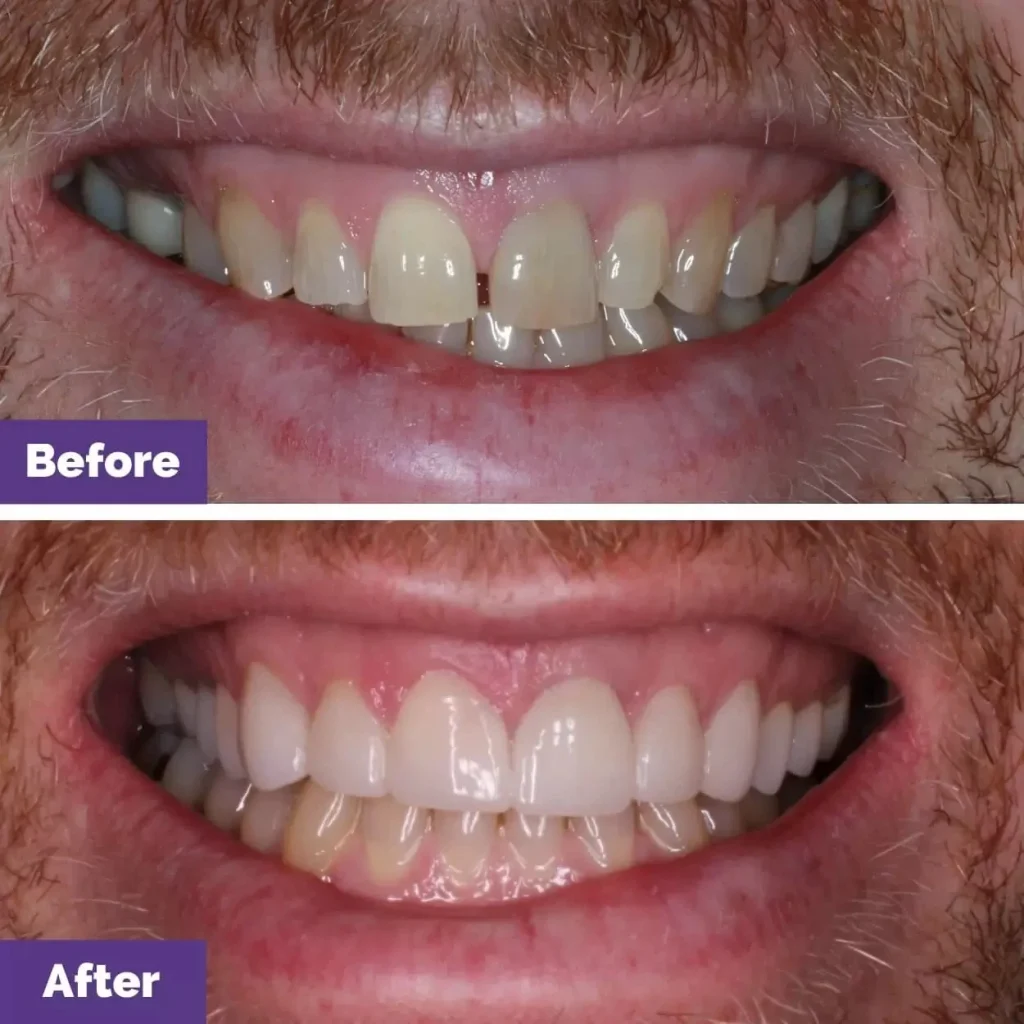
Some orthodontic relapse solutions may involve restorative or cosmetic dental approaches for patients who prefer not to undergo orthodontic retreatment. These might include:
- Cosmetic bonding for minor irregularities
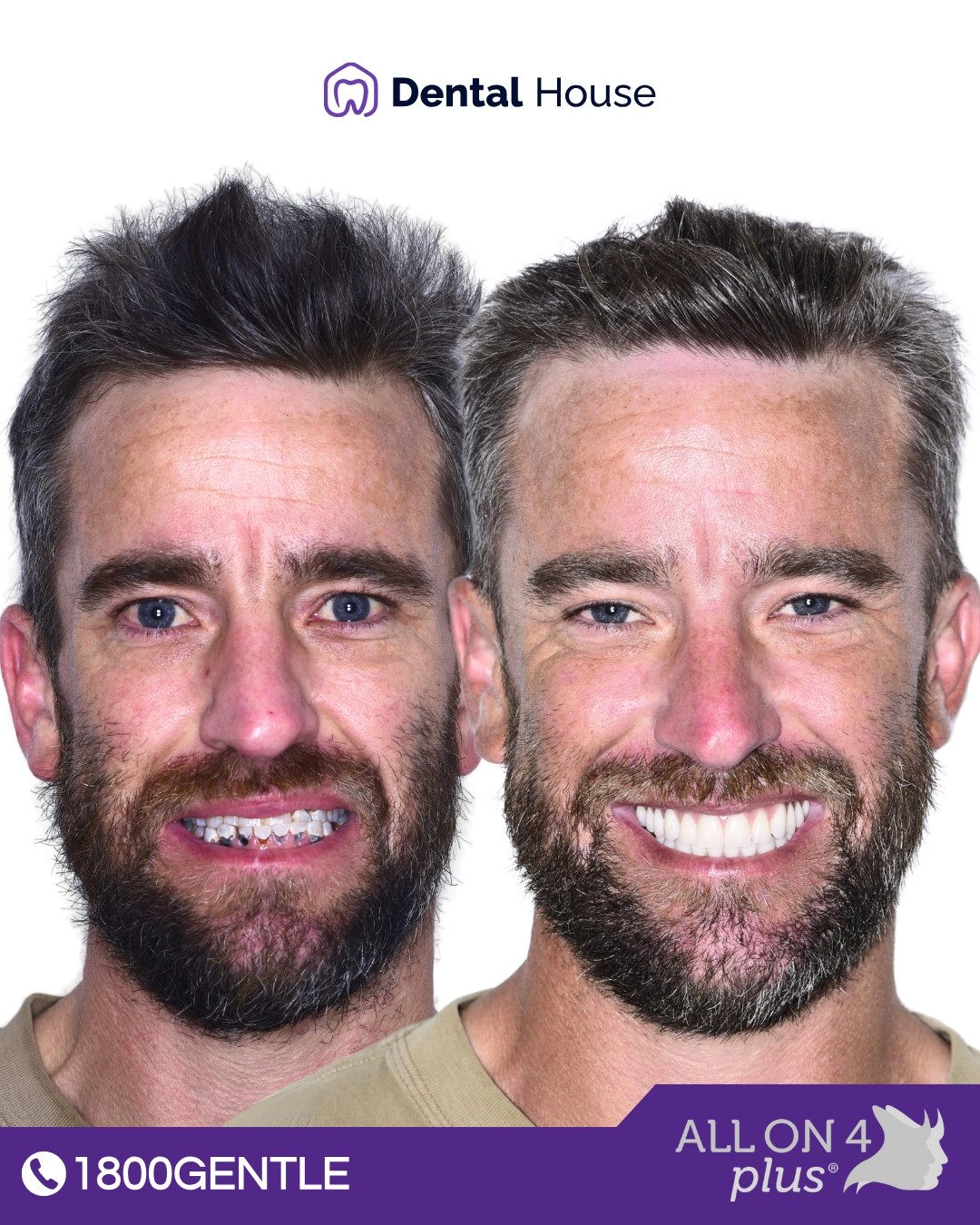
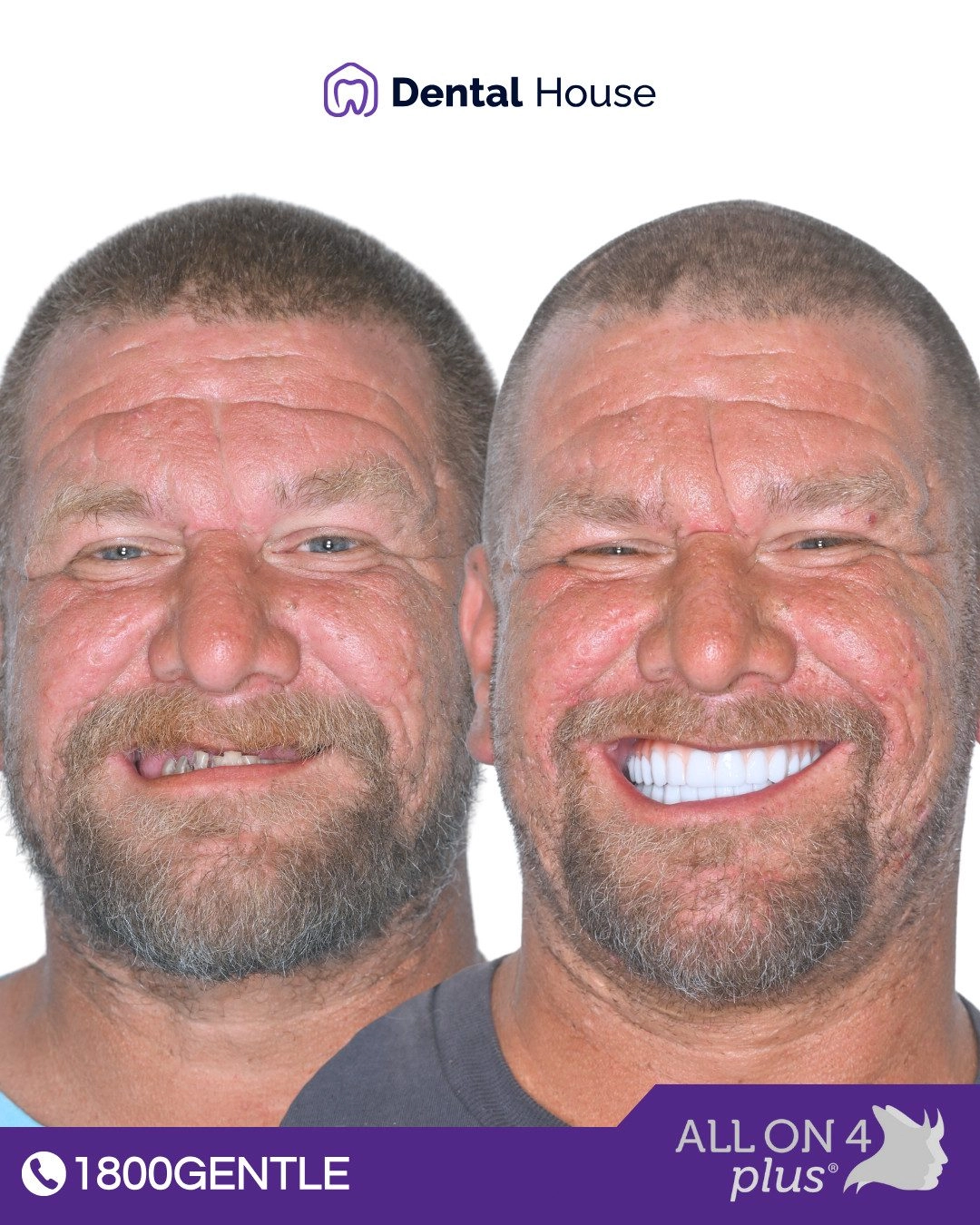
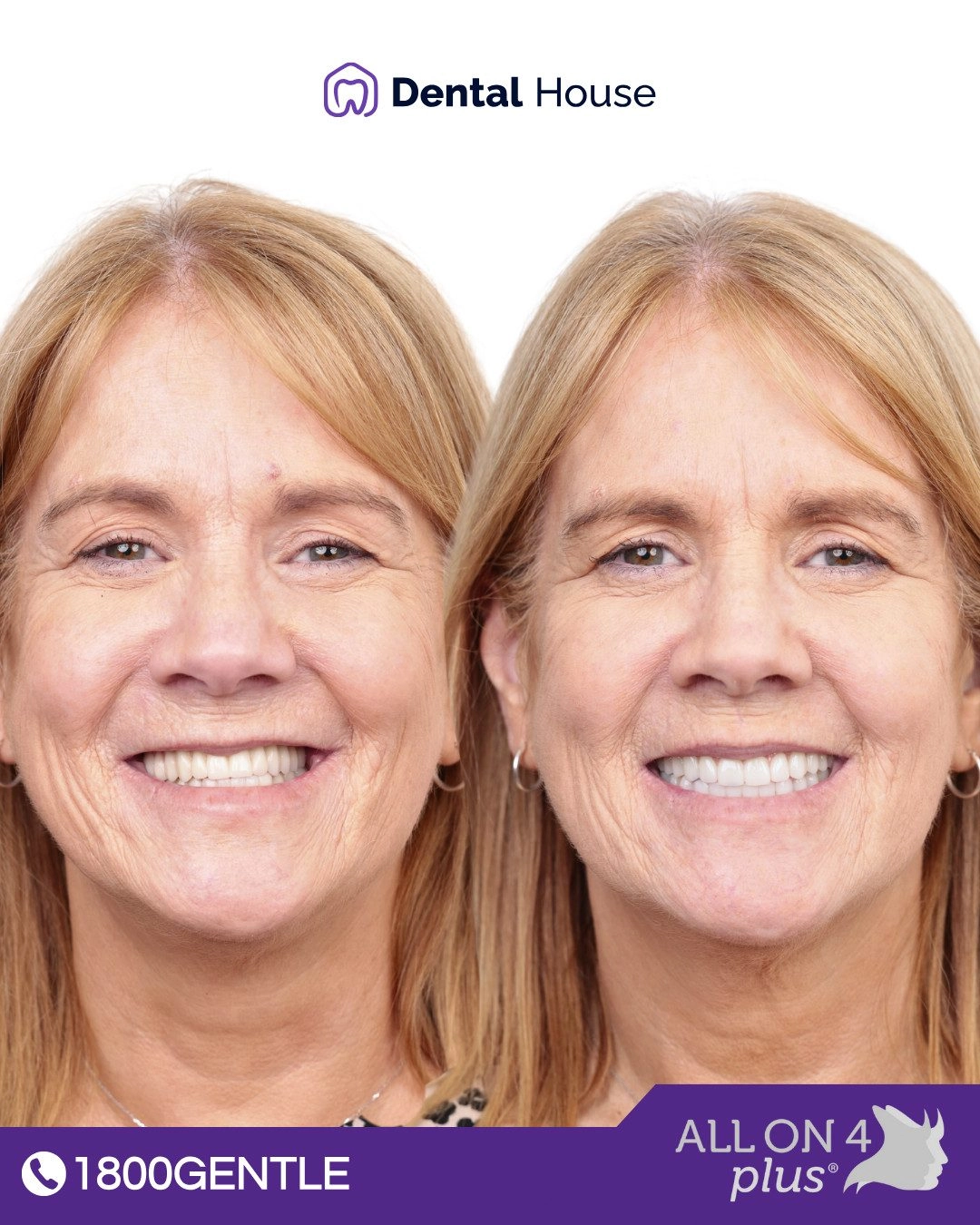
- Porcelain veneers for front tooth appearance
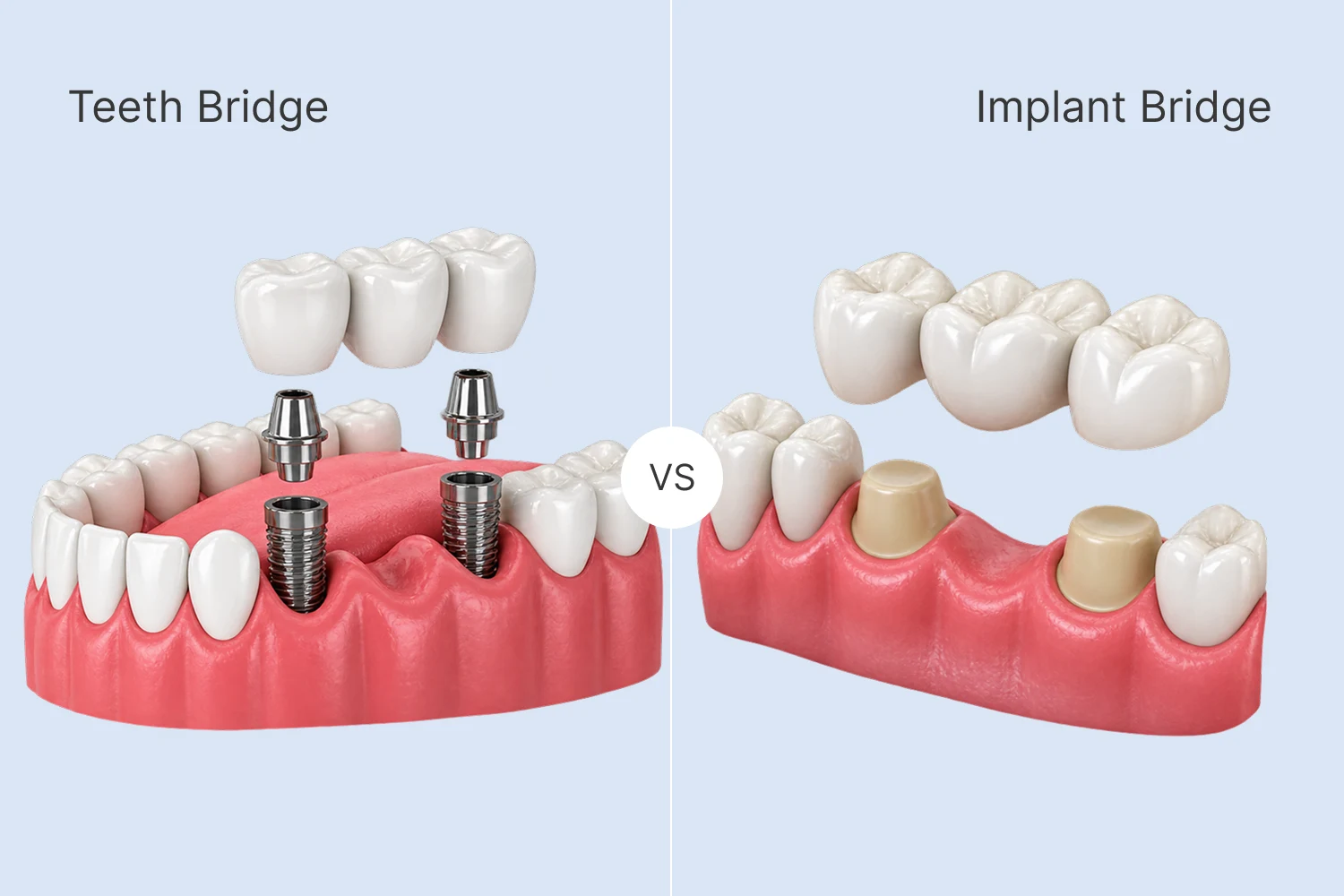
- Crown or bridge work when comprehensive dental needs exist
Treatment Planning Considerations
Age and Growth Factors
Adult patients typically have more predictable treatment outcomes since growth is complete. Adolescent patients may require consideration of ongoing growth potential.
Previous Treatment History
Understanding the original orthodontic problem and retention history helps inform retreatment planning. Previous compliance with retention may indicate likely compliance with new recommendations.
Oral Health Status
Current periodontal health and overall oral health must be evaluated before considering orthodontic relapse solutions. Any underlying dental problems should be addressed before retreatment.
Prevention of Future Relapse
Modern retention protocols often recommend long-term retainer wear, particularly for lower front teeth. Options include removable retainers worn nightly, fixed retainers bonded behind teeth, or combination approaches.
Periodic evaluation allows for early relapse detection, while addressing contributing factors such as oral habits may help prevent future problems.
Cost and Time Considerations
Orthodontic relapse solutions vary in cost and time requirements depending on the extent of relapse and chosen treatment approach. Factors affecting treatment investment include:
- Complexity of relapse pattern
- Type of appliances required
- Duration of treatment needed
- Retention requirements
Treatment costs vary based on individual requirements and chosen approach.
Many practices offer payment plans to help manage treatment investment over time.
Making Informed Decisions About Orthodontic Relapse
Understanding orthodontic relapse and available treatment options helps patients make informed decisions about managing post-treatment tooth movement. The choice of orthodontic relapse solutions depends on individual factors including relapse severity, patient goals, and treatment preferences.
Not all orthodontic relapse requires treatment, and the decision to pursue correction should consider both functional and aesthetic factors. Some patients may be comfortable with minor changes, while others prefer to address any visible shifting.
At Melton Dental House, we provide comprehensive evaluations for patients experiencing orthodontic relapse. We assess individual situations to discuss appropriate treatment approaches and help patients understand their options for managing tooth movement after previous orthodontic treatment.
To learn more about orthodontic relapse solutions and treatment options, contact Melton Dental House at 03 8798 9798 or complete our enquiry form to schedule a consultation where we can evaluate your specific situation and discuss suitable approaches for your needs.
Frequently Asked Questions
How common is orthodontic relapse after braces treatment?
Some degree of tooth movement after orthodontic treatment is considered normal, with studies suggesting that minor relapse occurs in a significant percentage of patients over time. The extent of relapse varies greatly between individuals and depends on factors such as retention compliance, age, and the original orthodontic problem severity.
Can orthodontic relapse be completely prevented?
While some degree of natural tooth movement occurs throughout life, following prescribed retention protocols significantly reduces the likelihood of significant relapse. Long-term retainer wear, particularly for lower front teeth, is often recommended to maintain orthodontic results over time.
Is retreatment for orthodontic relapse typically shorter than original treatment?
Treatment time for orthodontic relapse depends on the extent of tooth movement that needs correction. Minor relapse may require relatively short treatment periods, while significant relapse might need treatment durations similar to original orthodontic therapy. Each case requires individual assessment to determine appropriate treatment approaches and timeframes.