


“I’m tired of worrying whether my dentures will slip when I’m eating or talking.” This is what brought many patients to Melton Dental House. They’ve been dealing with loose dentures for years and want to understand why dental implants might be different.
The question comes up frequently: what makes dental implants more secure than traditional bridges or dentures? It’s not just marketing talk. The fundamental difference in how these options attach to your mouth creates dramatically different levels of stability.
Understanding dental implant security helps you make informed decisions about tooth replacement. The engineering behind implants creates a level of permanence that other options simply can’t match.
How Traditional Options Attach
To understand dental implant security, it helps to first understand how traditional tooth replacement options stay in place.
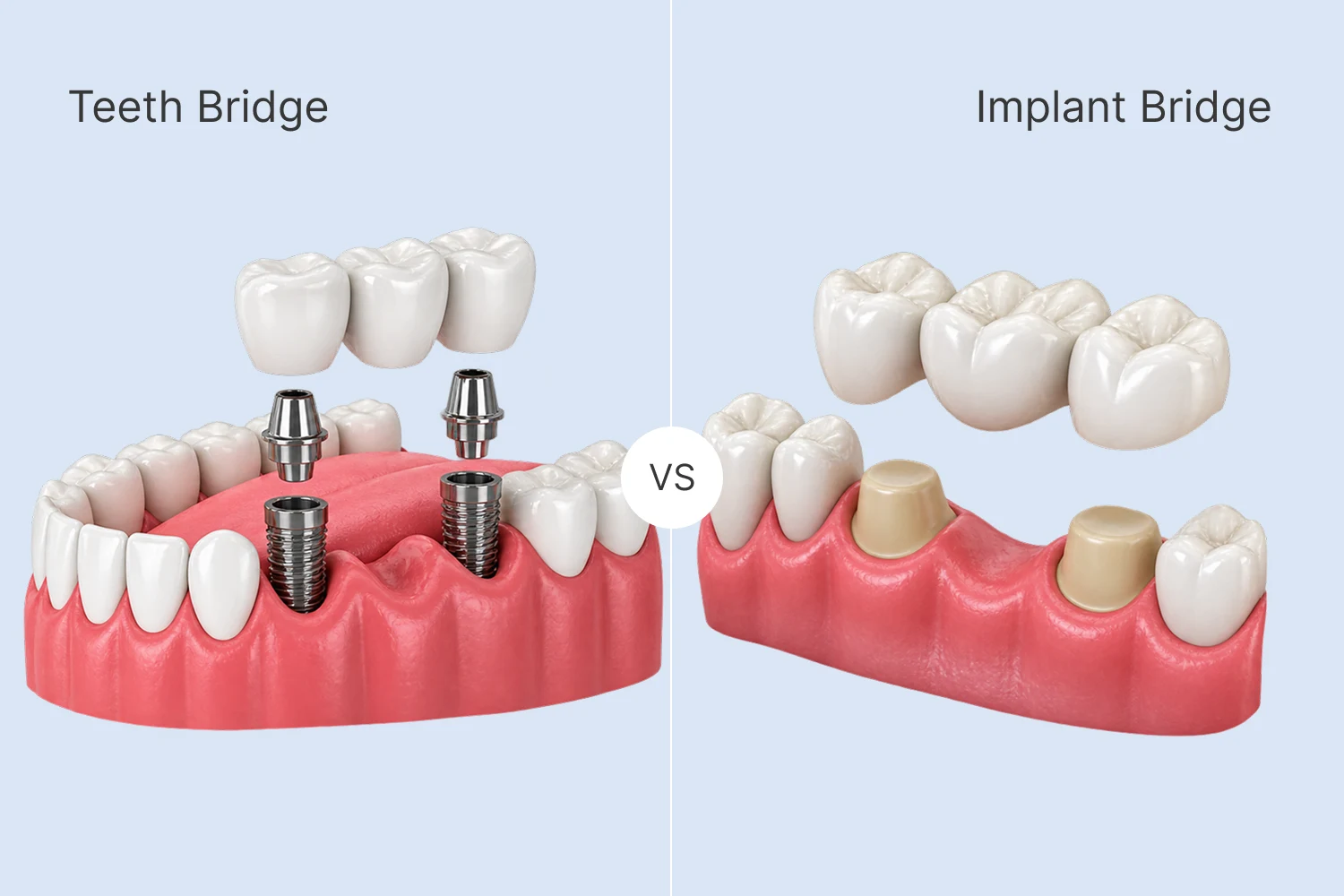
Traditional Bridges: These rely on crowns cemented onto adjacent teeth for support. The replacement tooth sits between these crowned teeth, suspended above the gum line. The bridge is only as stable as the supporting teeth.
Removable Partial Dentures: These hook onto remaining teeth with metal clasps and rest on your gums. They rely on friction and the grip of clasps for stability, which means they can move during eating or speaking.
Complete Dentures: These rest directly on your gums and rely on suction and adhesives to stay in place. There’s no actual attachment to your jaw, just surface tension and sticky products.
None of these options integrate with your jawbone. They sit on top of or attach to structures above the bone, which fundamentally limits their stability.
How Dental Implants Achieve Superior Security
Dental implant security comes from a completely different approach. Instead of sitting on top of your gums or relying on adjacent teeth, implants become part of your jaw structure.
Osseointegration: This is the key to implant security. The titanium implant post is surgically placed into your jawbone, where it fuses directly with the bone tissue over several months. This biological integration creates a bond similar to natural tooth roots.
Direct Bone Attachment: Once osseointegration is complete, the implant becomes a permanent part of your jaw. It doesn’t rely on adhesives, clasps, or adjacent teeth.
Load Distribution: Because implants integrate with bone, chewing forces transfer directly into the jawbone just like natural teeth. This prevents bone loss and maintains the structural integrity that keeps implants secure long-term.
No Movement: Unlike dentures that can shift or bridges that can flex slightly, properly integrated implants don’t move at all during chewing or speaking.
The Stability Advantage in Daily Life
The practical benefits of dental implant security become obvious in everyday situations.
Eating Confidence: With implants, you can bite into an apple, chew steak, or eat corn on the cob without worrying about your teeth shifting or coming loose.
Speech Clarity: Dentures can slip and click during speaking. Implants stay completely still, allowing clear, confident speech without worrying about movement.
No Adhesives: You’ll never need denture adhesives, which means no sticky mess, no bad taste, and no concerns about adhesive failing at inconvenient moments.
Social Comfort: The security of implants eliminates anxiety about teeth moving during social situations, allowing you to laugh and speak naturally.
Why Bridges Compromise Adjacent Teeth
Traditional bridges require grinding down healthy adjacent teeth to create support. This irreversibly damages teeth that might otherwise have lasted decades. Those supporting teeth must handle not only their own chewing forces but also the forces on the replacement tooth.
Dental implants avoid this entirely. Because they’re anchored directly in bone, they don’t require support from adjacent teeth. Your healthy teeth remain untouched.
The Bone Preservation Factor
The bone integration that creates dental implant security also prevents bone loss that occurs with other options.
Natural Stimulation: When you chew on an implant, force transfers through the implant into the jawbone, stimulating bone just like natural teeth. This stimulation maintains bone density.
Preventing Deterioration: Dentures and bridges don’t provide this bone stimulation. Without it, jawbone gradually deteriorates, changing facial structure and making dentures fit progressively worse.
Long-Term Stability: Because implants preserve bone, they maintain their secure fit indefinitely. Dentures often need relining or replacement as bone loss changes jaw shape.
Success Rates and Longevity
Modern dental implants have success rates exceeding 95% when properly placed and maintained. Many implants last 20-30 years or more, with many functioning perfectly for a lifetime.
Bridges typically last 10-15 years before needing replacement. Dentures need replacement or relining every 5-7 years as jaw shape changes.
The superior longevity of implants reflects their fundamental security advantage – they’re permanently integrated rather than temporarily attached.
Maintenance and Long-Term Care
Maintaining dental implant security requires similar care to natural teeth. Daily brushing and flossing around implants prevents bacterial buildup that could affect the surrounding gum tissue.
Unlike dentures that require special cleaning routines and adhesive applications, implants are cared for just like natural teeth. This simplicity, combined with their permanent attachment, makes them highly practical for long-term use.
When Implants Might Not Be Suitable
While dental implant security offers significant advantages, implants aren’t suitable for everyone. Adequate bone density is necessary for successful osseointegration. Some medical conditions or medications may affect healing.
However, bone grafting can often create adequate bone for implant placement, and many medical conditions don’t prevent implant treatment when properly managed. A thorough evaluation helps determine whether implants are appropriate for your situation.
The Bottom Line on Dental Implant Security
Dental implant security comes from biological integration with your jawbone rather than surface attachment or support from adjacent teeth. This fundamental difference creates superior stability, preserves bone structure, and provides long-term reliability that traditional bridges and dentures can’t match.
The combination of immediate function, long-term stability, and bone preservation makes implants a uniquely effective solution when clinically appropriate.
Ready to explore whether dental implants are right for you? Contact Melton Dental House today to schedule your comprehensive evaluation. Call us at 03 8798 9798 or complete our enquiry form to learn more about achieving secure, permanent tooth replacement.
Frequently Asked Questions
Can dental implants ever come loose like dentures?
Properly integrated dental implants become permanently fused to your jawbone and don’t come loose during normal use. However, poor oral hygiene can lead to infection around the implant, which could potentially affect stability over time. When cared for appropriately, implants remain securely in place indefinitely.
How long does it take for dental implants to become fully secure?
The osseointegration process typically takes 3-6 months, during which the titanium implant fuses with your jawbone. During this healing period, you may have temporary teeth. Once osseointegration is complete and the final restoration is placed, the implant provides full security and function comparable to natural teeth.
Are dental implants more secure than natural teeth?
Dental implants can be extremely secure, though they function differently from natural teeth. Natural teeth have periodontal ligaments that provide some movement and sensory feedback, whilst implants are rigidly fixed to bone. Both can provide excellent function, but implants offer the advantage of not being susceptible to decay.