


“I only came in for a clean, but you’re telling me there’s something else we need to discuss?” That’s how the conversation started with James from Melton South last Tuesday. What began as a routine check-up had revealed something requiring immediate attention – and it wasn’t related to his teeth.
Many patients view their check-up and clean as purely about preventing cavities and gum disease. Your mouth is actually a window into your overall health, and during every examination at Melton Dental House, we’re looking for signs that could indicate serious health concerns beyond dental problems.
According to the Australian Institute of Health and Welfare, oral health professionals are often the first to identify systemic health issues, with regular dental visits contributing to early detection of conditions that might otherwise go unnoticed for months or years.
What Happens During Your Comprehensive Examination
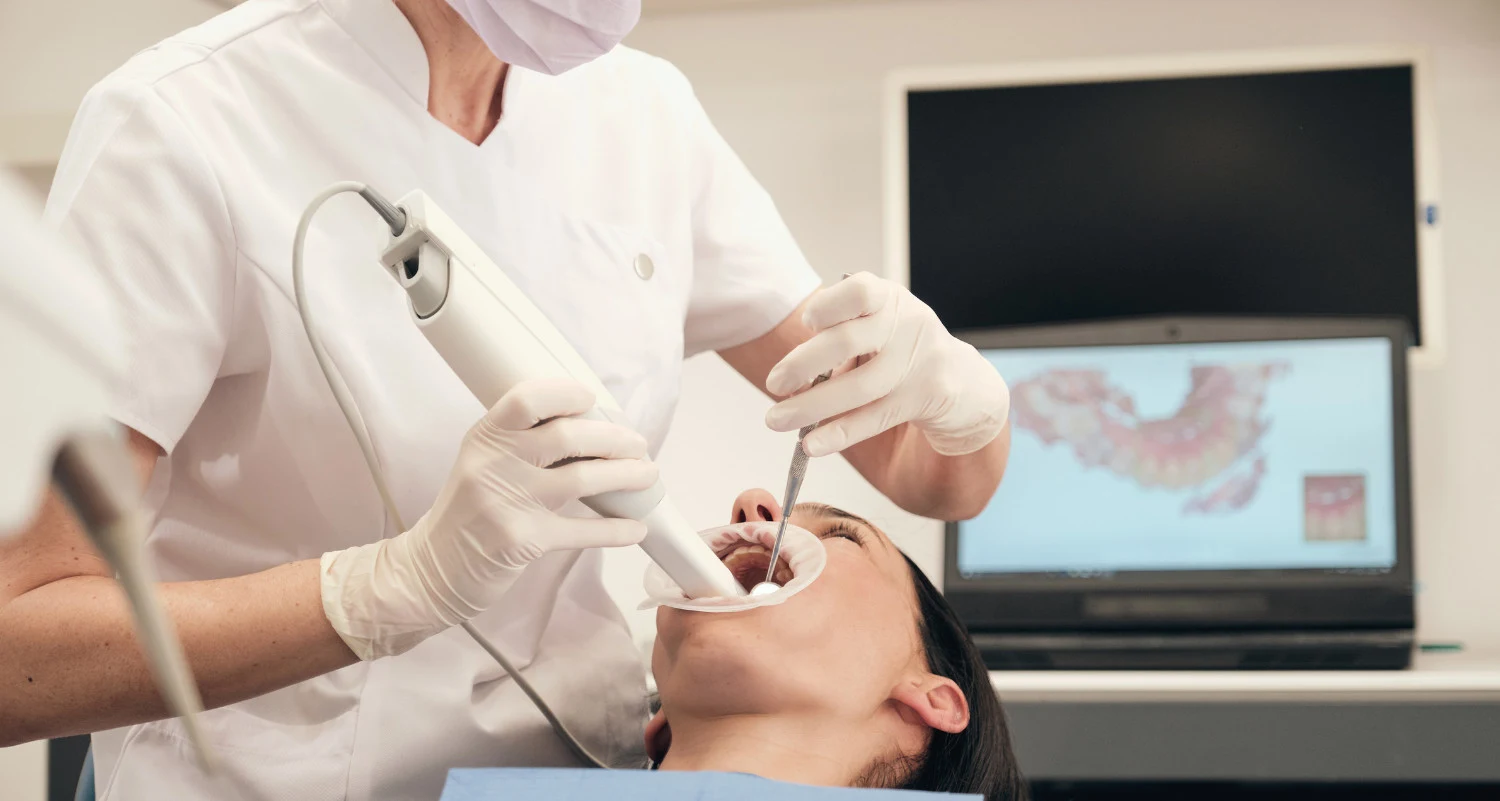
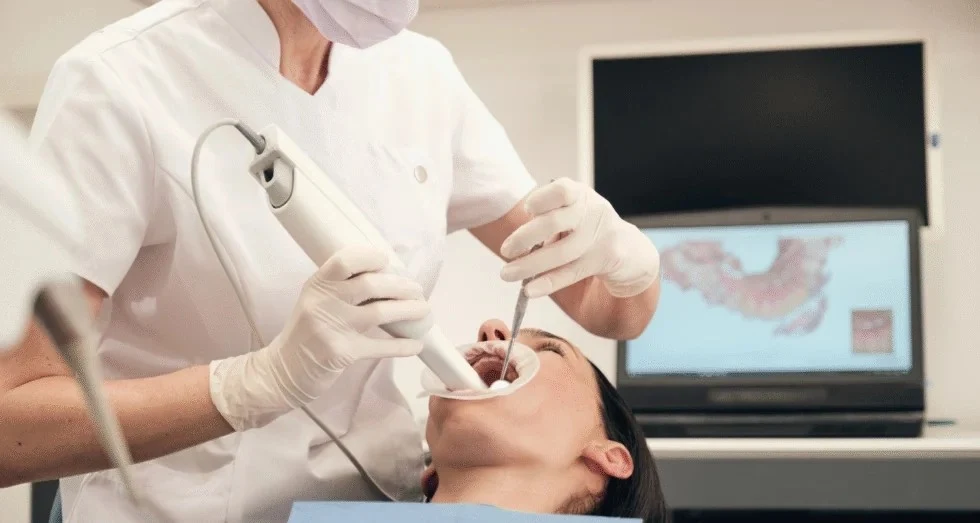
When you settle into the chair for your check-up, the examination involves a systematic assessment of your entire oral cavity and surrounding structures. Your dentist examines your lips, tongue, cheeks, throat, jaw joints, lymph nodes, and neck area.
This comprehensive approach is necessary because these areas can reveal early signs of serious health conditions unrelated to your teeth. The oral cavity is particularly revealing because it’s one of the few places where soft tissues, blood vessels, and nerves are easily visible and accessible.
During every examination, we conduct oral cancer screening as a standard part of your care. This screening involves checking for unusual lumps, persistent sores, white or red patches, or any changes in the normal appearance of your oral tissues.
Oral Cancer Screening: What We’re Looking For
Oral cancer screening is the most critical non-dental assessment during your visit. It affects approximately 4,700 Australians each year, with early detection dramatically affecting survival rates.
Visual Inspection: We look for unusual patches, sores, or discolouration on your lips, gums, tongue, roof of mouth, and throat. Suspicious areas might appear as white patches (leukoplakia), red patches (erythroplakia), or mixed red and white areas.
Physical Examination: Using gloved hands, we feel for lumps, bumps, or areas of hardness in your mouth, throat, and neck. This includes checking lymph nodes, which can become enlarged when fighting infection or dealing with other health issues.
Functional Assessment: We observe how your tongue moves, how you swallow, and whether there are signs of numbness or altered sensation that could indicate nerve involvement.
Early-stage oral cancer often produces no symptoms. Patients typically don’t experience pain or difficulty swallowing until the condition has progressed significantly. This makes the systematic examination during your regular check-up invaluable for early detection.
Other Health Conditions We Can Identify
Your mouth can reveal signs of numerous systemic health conditions, often before symptoms appear elsewhere.
Diabetes Signs: Changes in your gums, delayed healing, or frequent infections can indicate blood sugar control issues. The relationship between gum disease and diabetes is particularly strong, with each condition affecting the other.
Cardiovascular Issues: Research has established links between gum disease and heart problems. Signs of inflammation in your mouth can prompt discussions about your cardiovascular health and potentially lead to earlier medical intervention.
Autoimmune Conditions: Several autoimmune disorders first manifest with oral symptoms. Dry mouth, recurring ulcers, or unusual tissue changes can be early indicators of conditions like Sjögren’s syndrome or lupus.
Nutritional Deficiencies: Your tongue, gums, and oral tissues can reveal deficiencies in vitamins B12, folate, or iron before blood tests are ordered. Changes in tongue colour or texture often indicate nutritional issues affecting your overall health.
Sleep Disorders: Signs of teeth grinding or jaw clenching can indicate sleep apnoea or other sleep disorders. We also examine your throat and tongue position, which can contribute to breathing difficulties during sleep.
The Power of Early Detection
The value of identifying health concerns during regular dental visits lies in early detection. Many serious conditions are much more treatable when caught early, before symptoms become obvious.
Take oral cancer as an example. When detected in its early stages, the five-year survival rate exceeds 80%. However, when diagnosis is delayed until later stages, survival rates drop dramatically. The difference between early and late detection can literally be life-saving.
Similarly, identifying signs of diabetes through oral examination can lead to earlier medical intervention, better blood sugar control, and prevention of serious complications like kidney disease or cardiovascular issues.
Early detection often means less invasive treatments, better outcomes, lower costs, and significantly less impact on your daily life compared to addressing conditions after they’ve progressed.
Technology That Enhances Screening Modern practices use advanced technology to enhance the screening process. At Melton Dental House, digital imaging allows us to document and track changes in your oral tissues over time. High-resolution photographs help identify subtle changes that might not be apparent during visual examination alone.
Specialised lighting systems help reveal tissue changes that might not be visible under normal conditions. These tools can highlight areas of concern that warrant closer examination or referral to medical specialists.
When Findings Require Further Action When our examination reveals something concerning, the next steps depend on what we’ve found. For suspicious areas during oral cancer screening, this typically involves referral to a specialist for further evaluation, which might include biopsy or advanced imaging.
For signs of systemic health conditions, we coordinate with your GP or relevant medical specialists. This collaborative approach ensures you receive appropriate follow-up care whilst maintaining continuity between your dental and medical treatment.
Making the Most of Your Regular Visits
Understanding the comprehensive nature of your dental examination should reinforce the importance of regular check-ups. The Australian Dental Association recommends six-monthly visits for most people, partly because this frequency allows for effective monitoring of both dental and non-dental health indicators.
During your visit, mention any changes you’ve noticed in your mouth, even if they seem minor. This includes persistent sores, changes in taste, dry mouth, or any areas that feel different. Your observations combined with our clinical examination provide the most complete assessment.
Maintain honest communication about your medical history, medications, and lifestyle factors. This information helps us interpret our findings accurately and determine appropriate follow-up care.
The Value of Professional Assessment Many patients attempt to self-diagnose oral health concerns using internet resources. Whilst being aware of changes in your mouth is valuable, professional assessment during regular check-ups provides expertise that self-examination cannot match.
We’re trained to recognise subtle signs and distinguish between normal variations and concerning changes. Our systematic approach ensures nothing is overlooked, and our experience helps determine which findings require further investigation.
The combination of oral cancer screening, systemic health assessment, and dental evaluation during regular visits represents exceptional value for your overall health maintenance.
The Bottom Line on Comprehensive Dental Examinations
Your regular check-up and clean encompasses far more than maintaining dental health. The systematic examination includes crucial oral cancer screening and assessment for signs of numerous systemic health conditions. Early detection through routine dental visits can be life-saving and often leads to better treatment outcomes with less invasive interventions.
The mouth truly is a window into your overall health, and the comprehensive examination during regular visits provides valuable health screening that extends far beyond your teeth and gums. This broader health assessment is one of the most compelling reasons to maintain regular dental appointments, even when you feel your teeth are fine.
Don’t underestimate the value of your routine dental visit. Contact Melton Dental House today to schedule your comprehensive examination and cleaning. Call us at 03 8798 9798 or complete our enquiry form to book your appointment. Our thorough approach to examination ensures we’re looking after not just your smile, but your overall health and wellbeing.
Frequently Asked Questions
Q: How often should I have oral cancer screening during dental visits?
A: Oral cancer screening is included as part of every routine dental examination at Melton Dental House. For most patients, this means screening occurs every six months during regular check-ups. However, if you have risk factors such as tobacco use, heavy alcohol consumption, or previous oral health concerns, we may recommend more frequent examinations to ensure optimal monitoring.
Q: What happens if something suspicious is found during my examination?
A: If we identify anything concerning during your examination, we’ll discuss our findings with you immediately and explain the next steps. This typically involves referral to an appropriate specialist for further evaluation. We coordinate closely with medical professionals to ensure you receive timely, appropriate care. Remember that many concerning findings turn out to be benign, but early investigation is always the safest approach.
Q: Can regular dental check-ups really detect diabetes or heart disease?
A: Whilst dental examinations cannot diagnose diabetes or heart disease definitively, they can identify early signs that suggest these conditions may be developing. Changes in your gums, healing patterns, and oral tissues can indicate blood sugar problems or inflammation associated with cardiovascular issues. When we identify these signs, we’ll recommend follow-up with your GP for appropriate medical testing and evaluation.
Services Mentioned
Give us a call at +61 3 8798 9798 or contact us by submitting the enquiry form below. We will be happy to help.