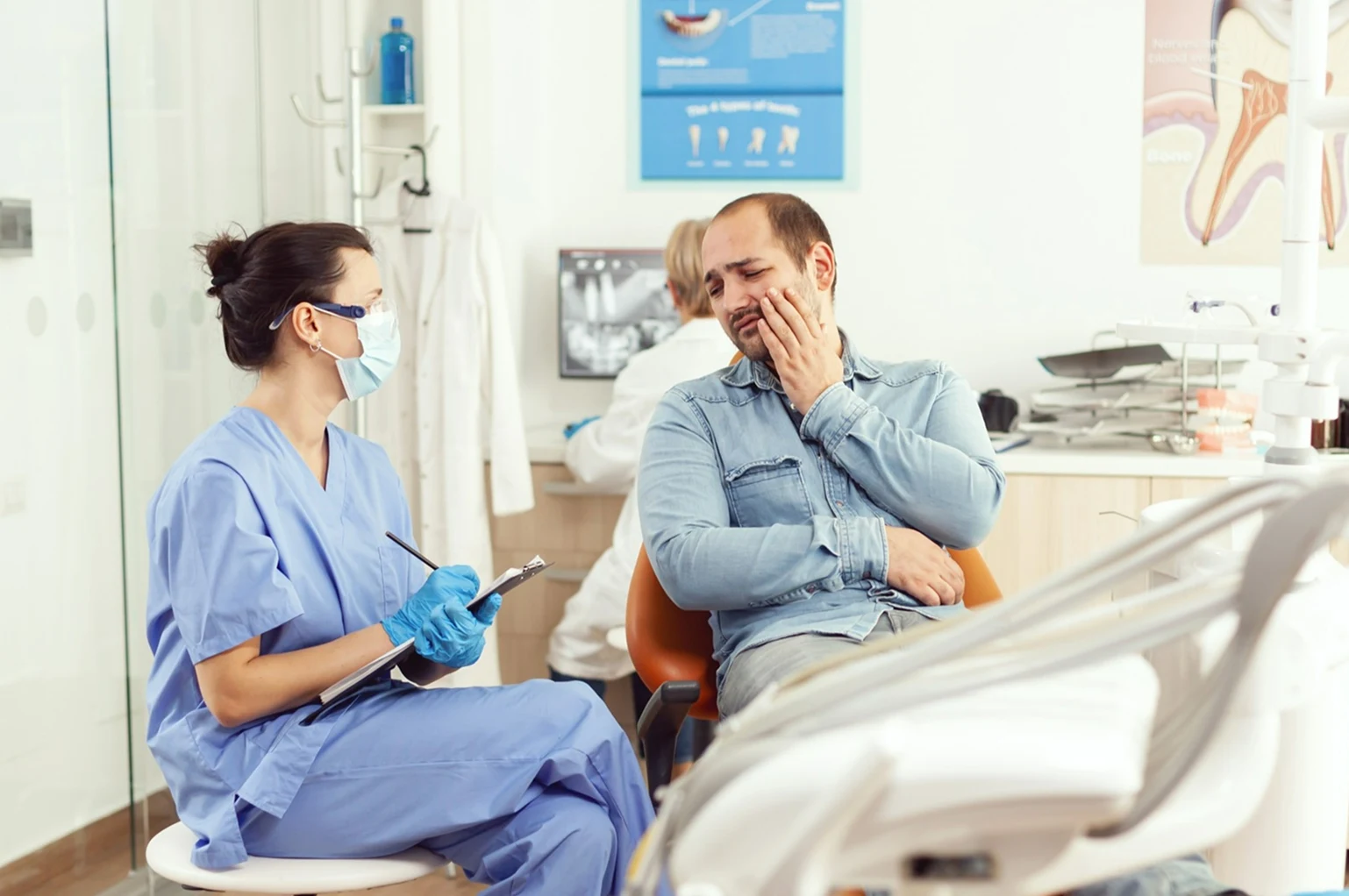
“Who’s actually doing my cleaning today?” asked Rachel from Toolern Vale during her appointment last month. She’d noticed her appointment was scheduled with an oral health therapist rather than the dentist and wondered what the difference might be.
Many patients aren’t familiar with the specific role of an oral health therapist, despite them being integral members of modern dental teams. These professionals are specialists in oral hygiene who bring dedicated expertise to your preventive care that goes far beyond a simple clean.
According to the Australian Health Practitioner Regulation Agency, oral health therapists complete specialised university training focused specifically on preventive oral health care, making them uniquely qualified to provide comprehensive hygiene services.
What Makes an Oral Health Therapist Different
An oral health therapist is a university-trained health professional who specialises specifically in preventive oral health care. Unlike dental assistants, oral health therapists complete a three-year bachelor’s degree program that combines both dental hygiene and dental therapy training.
This specialised education focuses intensively on preventive care, making them a specialist in oral hygiene who understands the science behind gum disease, plaque formation, and the techniques needed to maintain optimal oral health. Their training covers anatomy, pathology, radiology, and pharmacology as it relates to oral health.
Whilst dentists diagnose and treat a wide range of oral health conditions, oral health therapists focus specifically on preventive services. This specialisation allows them to develop exceptional expertise in the areas that matter most for maintaining healthy teeth and gums between dental examinations.
The Science Behind Professional Cleaning
Professional teeth cleaning involves much more than removing visible plaque. As a specialist in oral hygiene, an oral health therapist understands the complex bacterial environment in your mouth and uses evidence-based techniques to disrupt harmful biofilms.
Scaling and Root Planning: This involves removing calculus (hardened plaque) from above and below the gum line using specialised instruments. Oral health therapists are trained in various scaling techniques, selecting the most appropriate method for your specific needs.
Biofilm Disruption: Modern oral hygiene focuses on disrupting bacterial biofilms that form on teeth and gums. These biofilms are resistant to regular brushing and require professional intervention to remove effectively.
Fluoride Application: Professional fluoride treatments help strengthen tooth enamel and reverse early stages of decay. Oral health therapists assess your individual risk factors and recommend appropriate fluoride protocols.
Tailored Care Based on Your Needs
One key advantage of working with a specialist in oral hygiene is their ability to customise your cleaning based on your specific oral health status.
Gum Health Assessment: They evaluate the depth of pockets around your teeth, bleeding patterns, and signs of inflammation to determine the level of cleaning required. Some patients need basic prophylaxis, whilst others require more intensive periodontal therapy.
Risk Factor Analysis: Oral health therapists consider factors like your medical history, medications, smoking status, and previous dental history to identify areas requiring special attention during cleaning.
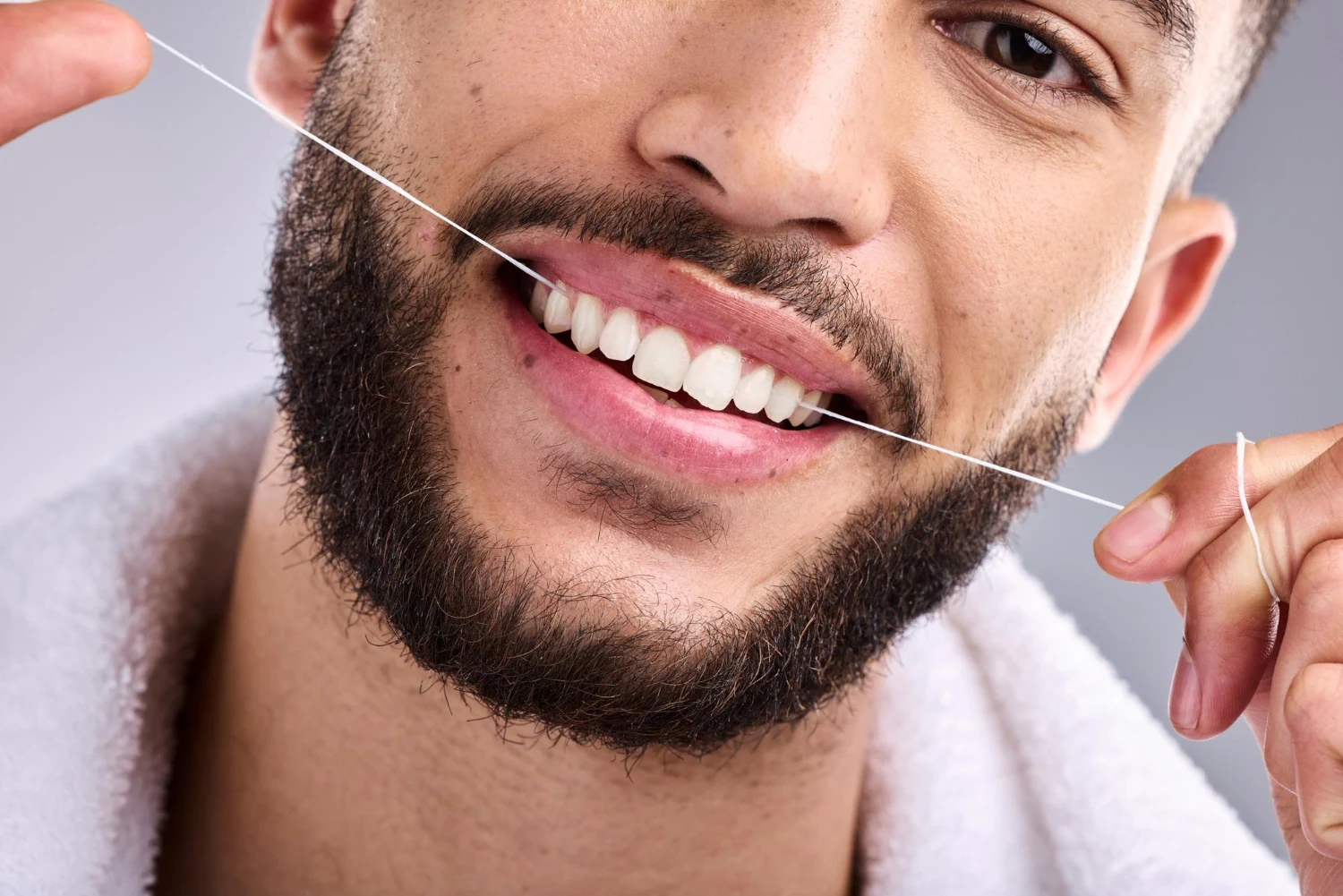
Home Care Education: As specialists in oral hygiene, they provide personalised instruction on brushing techniques, floss selection, and additional oral care products that address your specific needs.
This individualised approach means your cleaning experience is tailored to achieve optimal results for your particular situation.
Advanced Techniques and Technology
Modern oral health therapy incorporates advanced techniques that enhance cleaning effectiveness. At Melton Dental House, our oral health therapist uses sophisticated approaches to provide superior care.
Ultrasonic Scaling: High-frequency vibrations remove calculus more efficiently and comfortably than traditional hand scaling alone. The oral health therapist adjusts power settings and tip selection based on your specific needs.
Air Polishing: This technique uses a controlled stream of air, water, and fine powder to remove stains and biofilm from tooth surfaces and hard-to-reach areas around dental work.
The oral health therapist’s training includes proper use of these technologies and understanding when each technique provides the greatest benefit.
Working as Part of Your Dental Team
The oral health therapist works collaboratively with your dentist to provide comprehensive care. During your cleaning appointment, they document their findings and communicate any concerns to the dentist for follow-up examination.
This team approach ensures continuity of care whilst allowing each professional to focus on their area of expertise. The dentist handles diagnosis and treatment of dental problems, whilst the oral health therapist focuses on maintaining the health you’ve achieved.
For patients with complex periodontal needs, the oral health therapist may work closely with periodontists to ensure coordinated care that addresses all aspects of your oral health.
The Value of Specialised Hygiene Care
Having a dedicated specialist in oral hygiene on your dental team provides several advantages. Their focused training means they stay current with the latest research in preventive care and can provide evidence-based recommendations.
The time and attention an oral health therapist can dedicate to your cleaning often exceeds what’s possible when dentists handle all aspects of care. This focused approach typically results in more thorough cleaning and more comprehensive prevention education.
Many patients find that working with an oral health therapist helps them achieve better oral health outcomes, with reduced bleeding, fresher breath, and fewer dental problems between visits.
The Bottom Line on Oral Health Therapists
An oral health therapist is a specialist in oral hygiene who brings dedicated expertise to your preventive care. Their university-level training focuses specifically on maintaining and improving oral health through evidence-based cleaning techniques and personalised prevention strategies.
Working with an oral health therapist ensures you receive expert care from a professional who specialises in the preventive aspects of oral health. Their focused expertise often results in better outcomes and more effective prevention strategies tailored to your individual needs.
Experience the difference that specialised hygiene care can make for your oral health. Contact Melton Dental House today to schedule your appointment with our oral health therapist. Call us at 03 8798 9798 or complete our enquiry form to book your comprehensive cleaning and prevention consultation.
Frequently Asked Questions
Is an oral health therapist qualified to provide my teeth cleaning?
Absolutely. Oral health therapists complete a three-year university degree specifically focused on preventive oral health care. They are registered health professionals with AHPRA and are specifically trained as specialists in oral hygiene.
What’s the difference between seeing an oral health therapist versus a dentist for cleaning?
Oral health therapists specialise specifically in preventive care and cleaning, allowing them to dedicate more time and focused expertise to your hygiene appointment. Dentists handle diagnosis and treatment of dental problems, whilst oral health therapists focus on maintaining your oral health through expert cleaning and prevention education.
How often should I see an oral health therapist for cleaning?
The frequency depends on your individual oral health status and risk factors. Most patients benefit from visits every six months, but some may need more frequent appointments every three to four months if they have gum disease or other risk factors. Your oral health therapist will assess your needs and recommend an appropriate schedule.