

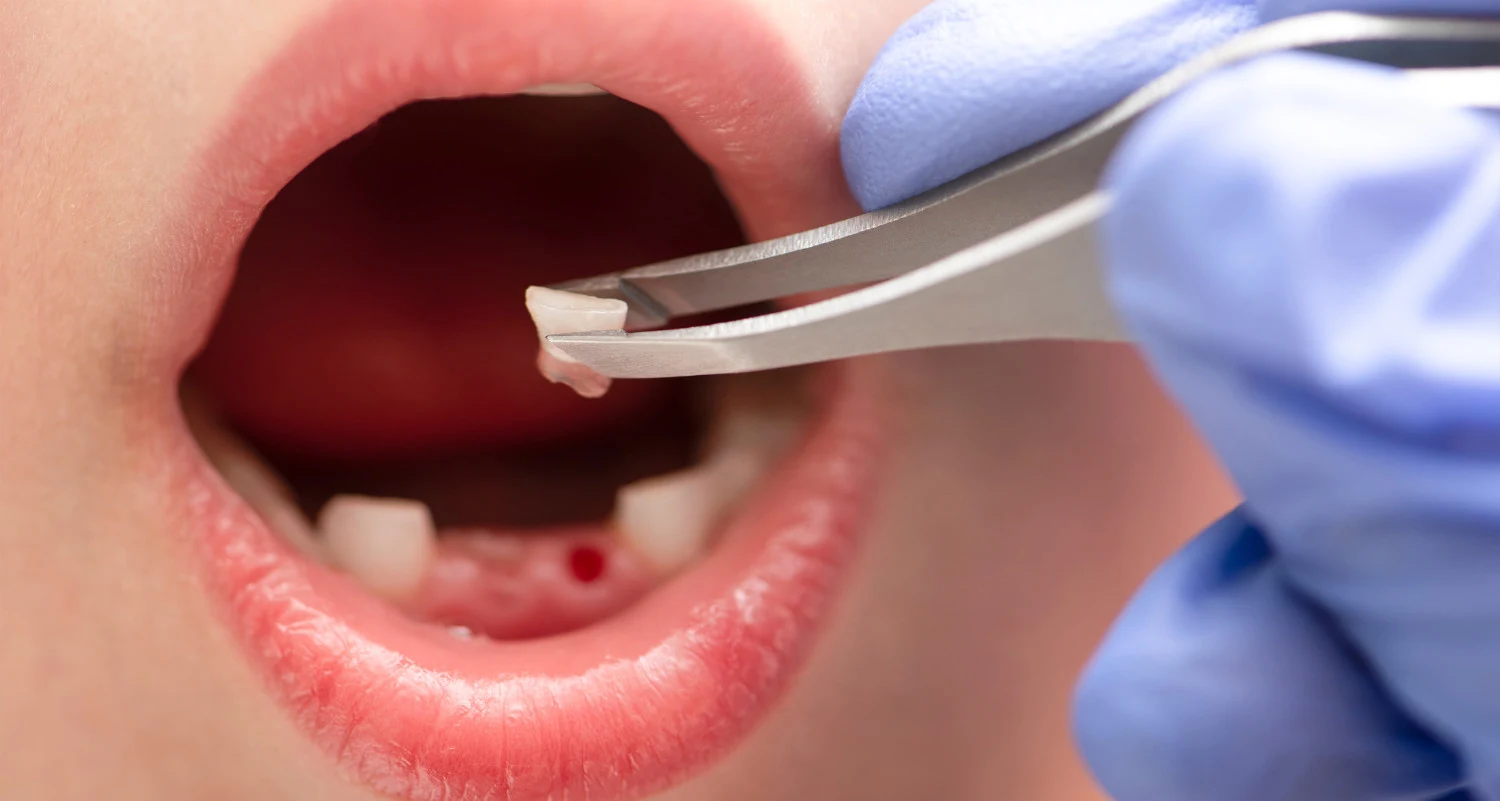
Every parent’s heart skips a beat when their child comes running with a bleeding mouth or complaining of severe tooth pain. Childhood dental emergencies are more common than you might think. According to the Australian Institute of Health and Welfare, approximately 40% of children experience some form of dental trauma before reaching adulthood. The key to managing child dental injuries effectively lies in knowing what to do in those crucial first moments.
At Melton Dental House, we understand that dental emergencies don’t follow business hours, and children’s accidents certainly don’t wait for convenient timing. That’s why we’ve prepared this comprehensive guide to help Melton parents navigate the most common childhood dental emergencies with confidence.
The Most Common Childhood Dental Emergencies
Understanding the types of dental emergencies your child might face helps you prepare for these situations. Children are naturally active and curious, which unfortunately makes them more susceptible to dental injuries during play, sports, and everyday activities.
Knocked-Out Teeth (Avulsion) represent one of the most serious dental emergencies. When a permanent tooth is completely knocked out, time becomes critical. The success of reimplantation depends heavily on how quickly you act and how well you preserve the tooth.
Chipped or Broken Teeth from falls, sports injuries, or biting hard objects can range from minor cosmetic chips to severe fractures that expose the tooth’s nerve, causing significant pain and requiring immediate attention.
Loose Teeth following trauma require immediate professional evaluation when involving permanent teeth. The supporting structures may have been damaged, affecting the tooth’s long-term viability.
Severe Toothache often indicates infection or deep decay. These situations can escalate quickly, potentially leading to serious complications if not addressed promptly.
Soft Tissue Injuries including cuts to the lips, tongue, or inside of the mouth frequently accompany dental trauma and require proper care to prevent infection.
Immediate Response: Managing Child Dental Injuries Step by Step
For Knocked-Out Permanent Teeth
Time is absolutely critical when managing child dental injuries involving avulsed teeth. You have approximately 30 minutes for the best chance of successful reimplantation.
Locate the tooth and handle it only by the crown (the white part you normally see). Never touch the root surface. If the tooth is dirty, gently rinse it with milk or saline solution, never use tap water or scrub the tooth.
If your child is old enough and calm, try to gently place the tooth back in its socket. Have them bite down on a clean cloth to hold it in position. If this isn’t possible, store the tooth in milk or your child’s saliva. Contact Melton Dental House immediately.
For Chipped or Broken Teeth
Rinse your child’s mouth with warm water to clean the area. If you can find the broken tooth fragment, save it in milk, we may be able to reattach it. Apply a cold compress to reduce swelling and provide pain relief.
For minor chips that don’t cause pain, schedule an appointment within a few days. However, if the break is large, causes severe pain, or has rough edges, seek immediate care.
For Severe Toothache
Rinse your child’s mouth with warm salt water to help reduce swelling. Check for visible food particles and gently floss if necessary. Apply a cold compress to the outside of the cheek for 15-minute intervals.
Never apply aspirin directly to the gums, as this can cause tissue burns. Over-the-counter children’s pain relievers can help manage discomfort until you reach our clinic.
When to Seek Immediate Professional Care
Certain situations when managing child dental injuries require immediate professional intervention, regardless of the time of day. Understanding these red flags helps you make appropriate decisions about your child’s care.
Signs requiring immediate attention include:
- Any knocked-out permanent tooth
- Severe bleeding that won’t stop after 10 minutes of direct pressure
- Signs of infection such as facial swelling, fever, or pus
- Trauma affecting your child’s ability to open or close their mouth normally
- Any injury involving multiple teeth
- Severe pain that isn’t manageable with appropriate pain medication
According to the Australian Dental Association, delays in treating dental trauma can lead to complications such as tooth loss, infection, and the need for more extensive treatment later.
Prevention Strategies for Common Dental Injuries
While accidents happen, many childhood dental emergencies can be prevented with proper precautions. Creating a safer environment doesn’t mean limiting activities. it means being smart about risk management.
Sports Safety: Ensure your child wears appropriate protective gear during sports activities. Custom-fitted mouthguards from Melton Dental House offer superior protection compared to over-the-counter options, particularly important for contact sports.
Home Safety Measures: Baby-proof your home appropriately, secure furniture with sharp corners, and teach children not to run with objects in their mouths.
Dietary Considerations: Limit hard foods that can crack teeth, such as ice cubes and hard lollies. Supervise young children when eating nuts or hard fruits.
Building a Dental Emergency Kit
Having a well-stocked dental emergency kit helps you respond effectively when managing child dental injuries. Keep these supplies accessible in your home, car, and your child’s sports bag:
- Sterile gauze pads for controlling bleeding
- Small container for storing knocked-out teeth
- Instant cold compress for reducing swelling
- Children’s pain reliever (following age-appropriate dosing)
- Contact information for Melton Dental House emergency number
- Small torch for examining the mouth
- Saline solution for rinsing
Long-Term Considerations and Follow-Up Care
Managing child dental injuries extends beyond the immediate emergency response. Some dental trauma effects may not become apparent until weeks or months after the initial injury, which is why follow-up care is crucial.
Even seemingly minor injuries can lead to complications such as tooth discolouration, nerve damage, or root resorption. Regular monitoring allows us to identify and address these issues before they become more serious problems.
At Melton Dental House, we maintain detailed records of any trauma your child experiences, enabling us to provide informed care throughout their dental development.
Conclusion: Prepared Parents Make All the Difference
Managing child dental injuries effectively begins with preparation, knowledge, and quick action. While we hope your family never experiences a dental emergency, being prepared ensures you can respond appropriately if one occurs.
Remember that staying calm helps your child remain calm, which makes treatment easier and more effective. Your quick thinking and appropriate response in those first crucial minutes can make a significant difference in your child’s long-term oral health outcomes.
At Melton Dental House, we’re committed to supporting Melton families through both routine care and emergency situations. Our gentle approach helps children feel comfortable even during stressful emergency visits.
If your child experiences a dental emergency, don’t hesitate to contact Melton Dental House immediately. Call our emergency line at 03 8798 9798 or complete our urgent care enquiry form. We’re here to help your family navigate any dental emergency with professional expertise and compassionate care.
Frequently Asked Questions
Q: Should I try to put a knocked-out baby tooth back in the socket?
A: No, never attempt to reimplant a baby tooth. Doing so could damage the developing permanent tooth underneath. Instead, control any bleeding with gentle pressure using clean gauze, comfort your child, and contact Melton Dental House for guidance to ensure no fragments remain.
Q: How can I tell if my child’s tooth pain is serious enough for emergency care?
A: Seek immediate care if your child experiences severe pain that doesn’t respond to children’s pain medication, swelling in the face or gums, fever accompanying tooth pain, or visible pus around a tooth. These symptoms often indicate infection requiring prompt professional treatment.
Q: What should I do if my child chips a tooth but seems fine otherwise?
A: Even minor chips should be evaluated professionally within a few days. Rinse the mouth with warm water, save any tooth fragments in milk, and check for sharp edges. While not typically urgent, prompt care ensures proper repair and prevents future complications.
Services Mentioned
Give us a call at +61 3 8798 9798 or contact us by submitting the enquiry form below. We will be happy to help.