

“My root canal is finished, but now you’re saying I need a crown too? Why can’t we just fill it?” It’s one of the most common questions at Melton Dental House after root canal treatment. The additional cost and appointment can feel frustrating when you thought the treatment was complete.
Here’s what’s happening: your dentist isn’t trying to upsell you. They’re recommending a crown for root canal tooth because of fundamental changes that occur when a tooth loses its nerve and blood supply.
According to Australian dental research, teeth restored with crowns after root canal treatment have significantly higher long-term survival rates compared to teeth restored with fillings alone, particularly for back teeth that handle heavy chewing forces.
What Happens to Teeth After Root Canal Treatment
Root canal treatment saves teeth that would otherwise need extraction, but it fundamentally changes the tooth structure.
Loss of Internal Moisture: When the nerve and blood supply are removed, the tooth loses its internal moisture source. This makes the tooth more brittle over time.
Structural Changes: Root canal access requires removing additional tooth structure beyond what the original cavity destroyed. This reduces the amount of remaining natural tooth.
Reduced Flexibility: Teeth with vital nerves have some natural flexibility that helps them withstand chewing forces. Root canal treated teeth become more rigid and prone to fracture.
No Pain Warning System: Without a nerve, the tooth can’t signal when something’s wrong. A crack won’t cause pain until it’s severe enough to affect surrounding tissues.
These changes explain why a crown for root canal tooth is often recommended to protect what remains of your natural tooth structure.
Why Porcelain Crowns Provide Superior Protection
A full porcelain crown encases the entire visible portion of the tooth, providing comprehensive protection that other restorative options can’t match.
Complete Coverage: Unlike fillings that sit within the tooth, crowns cover the entire chewing surface and sides, protecting all surfaces from fracture.
Force Distribution: Crowns distribute chewing forces evenly across the tooth, preventing concentration of stress on weakened areas.
Structural Reinforcement: The crown essentially holds the tooth together, providing external support that compensates for the weakened internal structure.
Long-Term Durability: Modern porcelain crowns can last 15-25 years or more with proper care.
When Crowns Are Strongly Recommended
Certain teeth and situations particularly benefit from a crown for root canal tooth.
Molars and Premolars: These back teeth handle the heaviest chewing forces. Root canal treated molars and premolars almost always require crowns to prevent fracture.
Front Teeth with Significant Damage: While front teeth experience less chewing force, a crown is typically recommended if significant tooth structure was lost to decay or during root canal access.
Teeth with Large Existing Fillings: If the tooth already had a large filling before root canal treatment, there’s minimal healthy tooth structure remaining. A crown protects what’s left.
Teeth Showing Cracks: If your tooth has visible cracks or has had pieces break off, a crown prevents further fracture and potential tooth loss.
Alternative Restorations and Their Limitations
In specific situations, alternatives to crowns might be considered, though they come with limitations.
Large Fillings: For front teeth with substantial remaining structure and minimal chewing forces, a well-placed composite filling might provide adequate restoration. However, this approach carries higher risk of future fracture.
Onlays: These partial crowns cover the chewing surface but not the entire tooth. They might be appropriate for premolars with adequate remaining structure.
However, these alternatives generally provide less protection than a full crown for root canal tooth, particularly for back teeth handling significant chewing forces.
The Timing Question
When should you get the crown after root canal treatment?
Immediate Crown Preparation: For back teeth, many dentists recommend preparing the tooth for a crown at the same appointment as finishing the root canal or within weeks. This minimises the time the fragile tooth is exposed to fracture risk.
Don’t Wait Too Long: Delaying crown placement for months or years increases fracture risk. A tooth that fractures below the gum line might not be salvageable, meaning you’ll lose the tooth despite successful root canal treatment.
The investment in root canal therapy is only protected when appropriate restoration follows in a timely manner.
Porcelain vs Other Crown Materials
All-Porcelain (Ceramic): These provide excellent aesthetics, particularly for front teeth, with no metal showing. Modern ceramics are strong enough for most back teeth as well.
Porcelain-Fused-to-Metal: These combine metal strength with porcelain aesthetics. They’re very strong but may show a dark line at the gum line over time.
Gold Alloy: Extremely durable and kind to opposing teeth, though aesthetically less pleasing.
Your dentist can recommend the most appropriate material based on the tooth location, your bite forces, and aesthetic preferences.
The Cost-Benefit Perspective
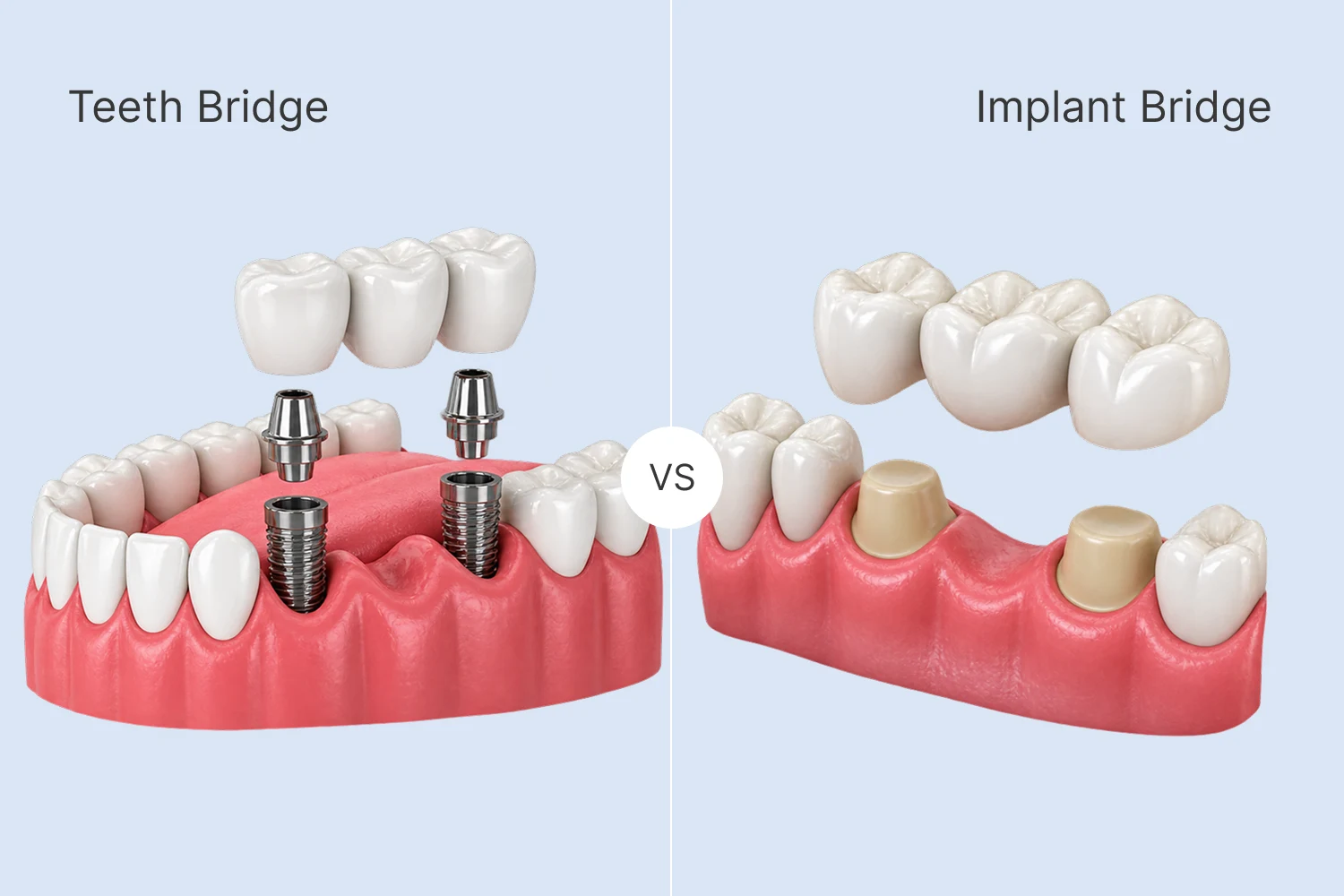
Without adequate protection, root canal treated teeth have significantly higher fracture rates. A fractured tooth often can’t be saved, requiring extraction and then replacement with a bridge or implant – both more expensive than the original crown.
The crown essentially insures your investment in root canal treatment. When viewed as protection for the hundreds or thousands spent on root canal therapy, the crown cost makes financial sense for long-term tooth preservation.
Caring for Crowned Teeth
A crown for root canal tooth requires the same care as natural teeth. Brush twice daily, floss daily, and attend regular dental check-ups. Avoid using teeth as tools or chewing very hard objects.
With proper care, your crowned tooth can last many years, functioning normally alongside your natural teeth.
The Bottom Line on Crowns After Root Canal
A crown for root canal tooth is often necessary because root canal treatment fundamentally weakens tooth structure, making it prone to fracture under normal chewing forces. Full porcelain crowns provide comprehensive protection that preserves your tooth long-term.
While the additional cost and treatment time can feel frustrating, the crown protects your investment in root canal therapy and prevents tooth loss from fracture. For most back teeth and many front teeth, crowns significantly improve long-term survival rates.
Need root canal treatment or crown restoration? Contact Melton Dental House today to discuss your options. Call us at 03 8798 9798 or complete our enquiry form to schedule your consultation.
Frequently Asked Questions
Can I just get a filling instead of a crown after root canal treatment?
For front teeth with substantial remaining structure, a filling might be adequate. However, back teeth (molars and premolars) almost always require crowns due to the heavy chewing forces they experience. Fillings don’t provide the comprehensive protection and reinforcement that crowns offer. Your dentist evaluates your specific situation to determine whether a filling might be appropriate.
How long can I wait to get a crown after root canal treatment?
The sooner the better, particularly for back teeth. Many dentists recommend crown placement within weeks of completing root canal treatment. Waiting months or years significantly increases fracture risk. If financial constraints require delay, discuss temporary options with your dentist and plan for permanent crown placement as soon as possible.
Will my crown look natural or obvious?
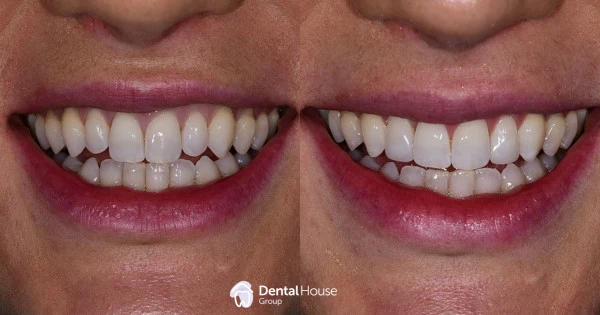
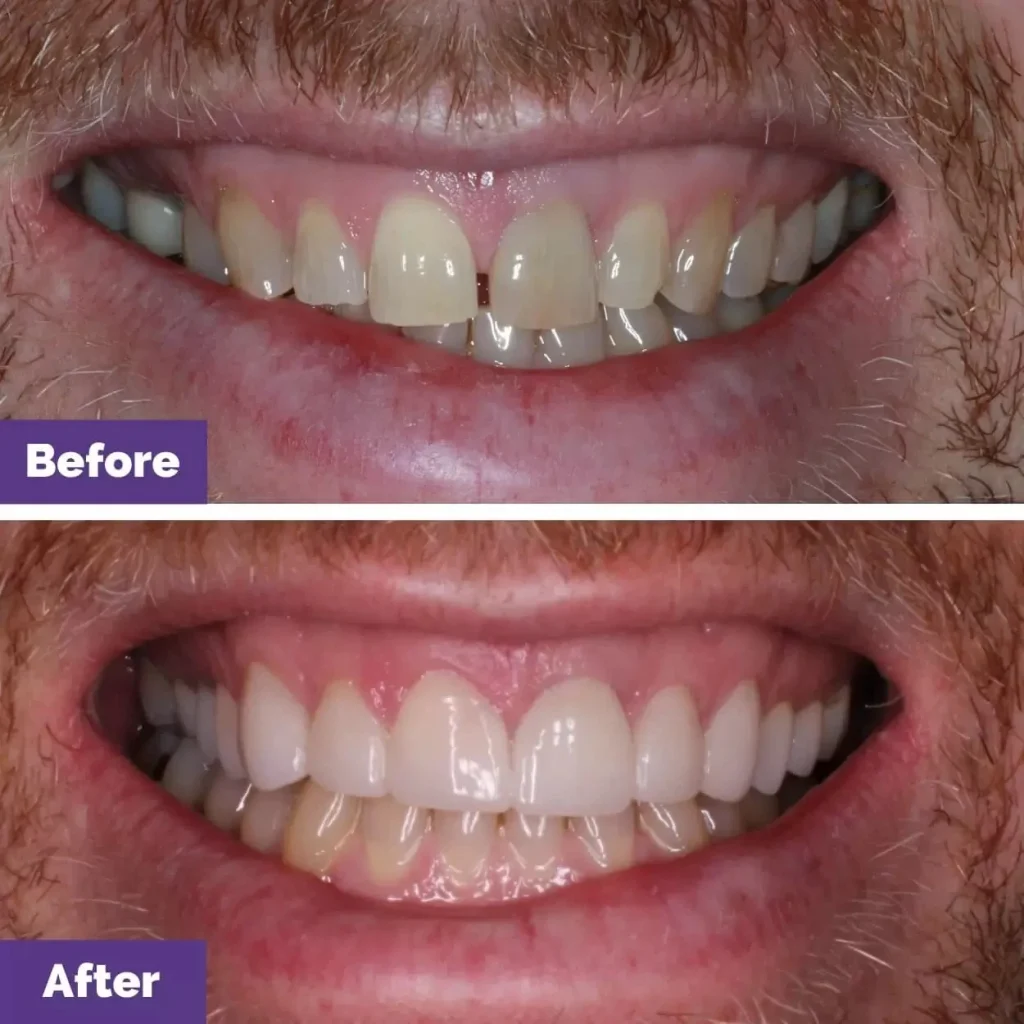
Modern porcelain crowns can be matched precisely to your natural tooth colour and shaped to blend seamlessly with surrounding teeth. For front teeth, all-porcelain crowns provide excellent aesthetics with no metal showing. Even for back teeth, porcelain crowns can look completely natural.