
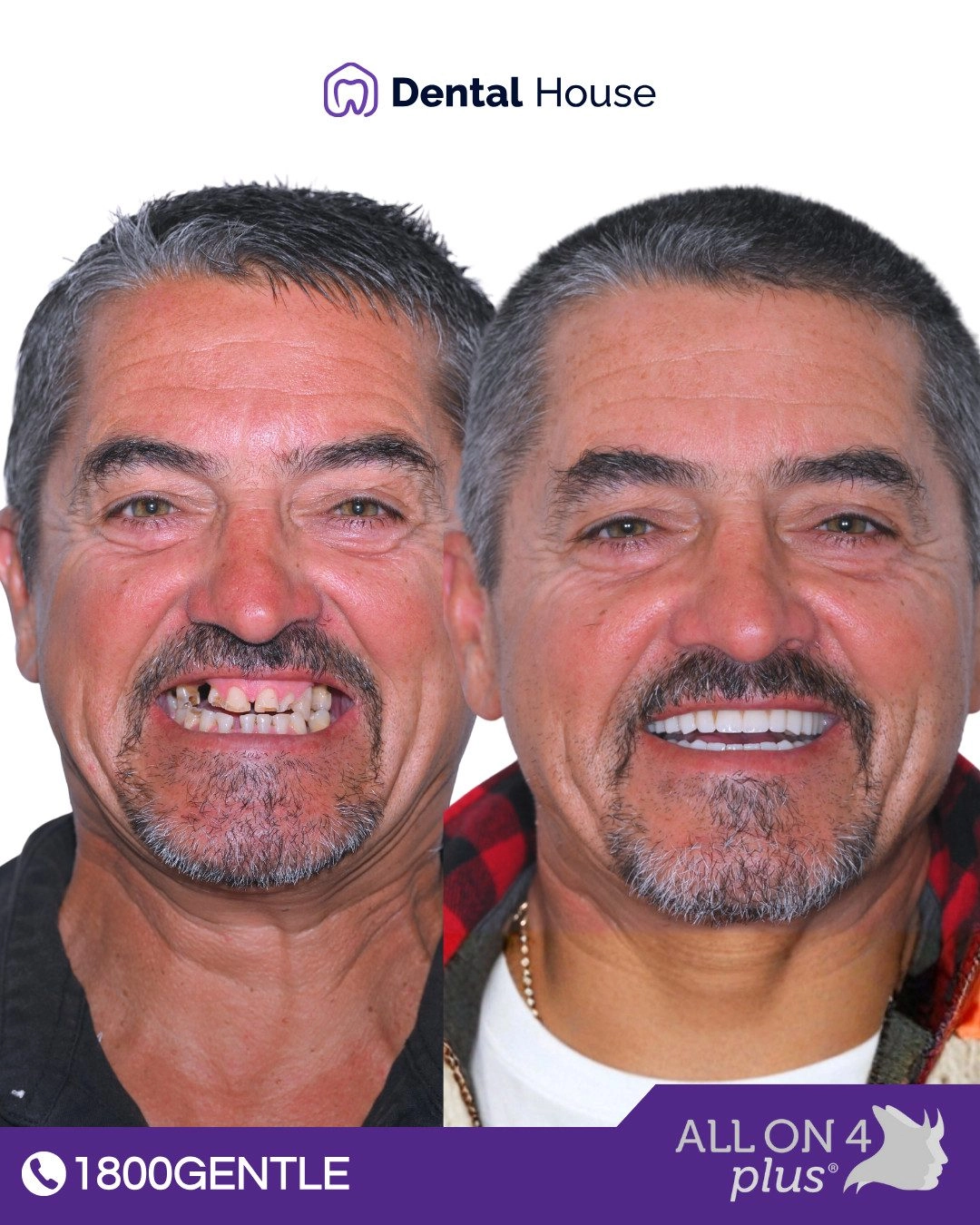
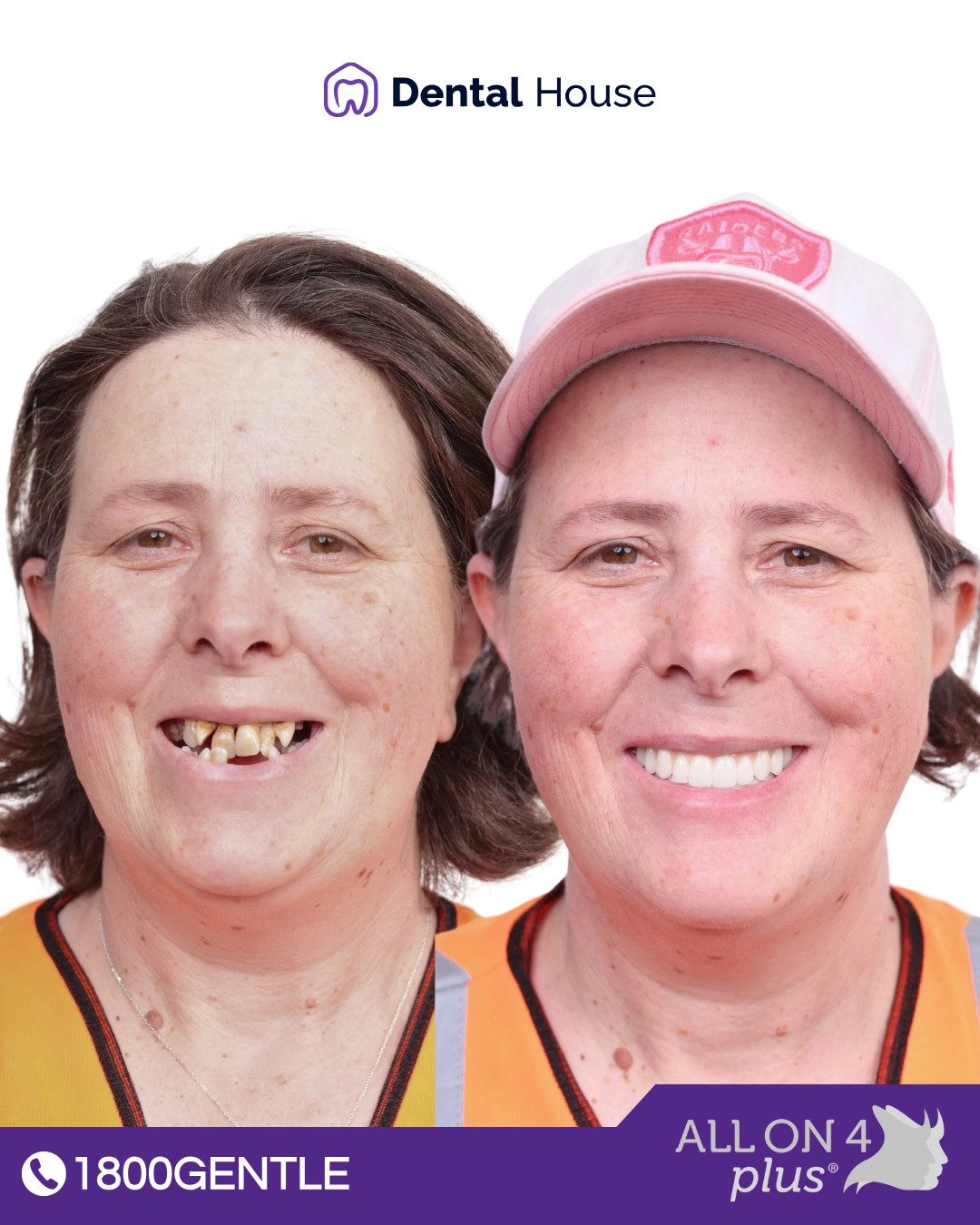
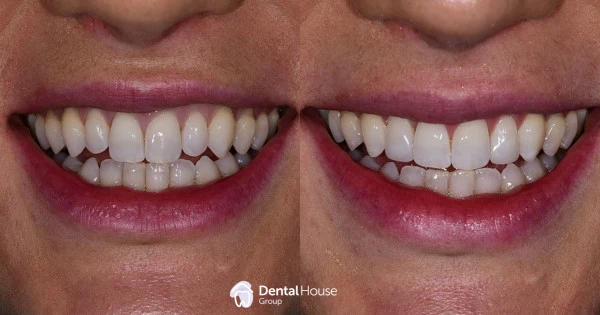
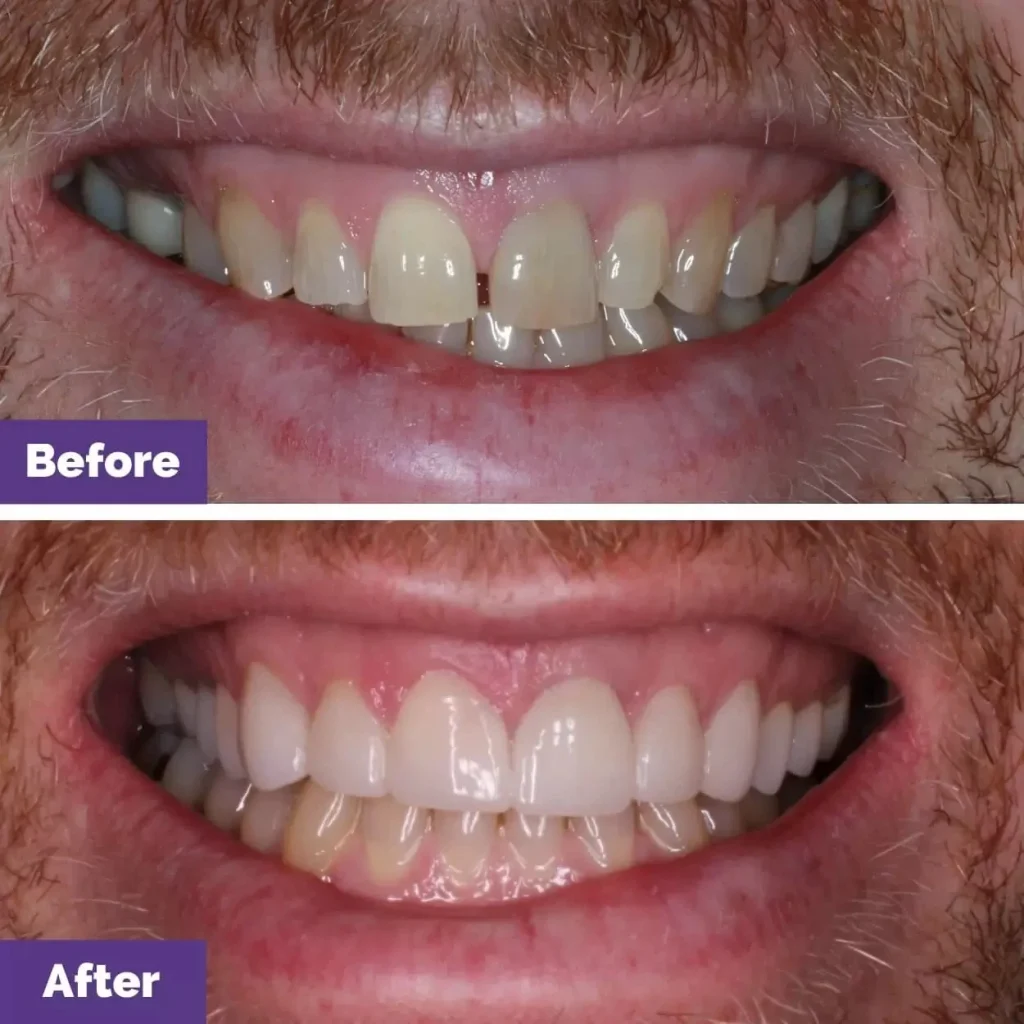
One of the most common questions we hear at Melton Dental House is pretty straightforward: “Will I actually be able to eat an apple again?” After years of struggling with loose dentures or missing teeth, people want to know if All On 4 Plus® will truly let them eat normally.
It’s a fair question. When you’ve spent years avoiding certain foods because your dentures slip or you’re missing teeth, the idea of biting into a crisp apple or enjoying a proper steak seems almost too good to be true.
According to research published in the Australian Dental Journal, patients with implant-supported prosthetics report significantly better chewing function compared to traditional dentures. Understanding what eating with implants actually involves helps you know what to expect from treatment.
Why All On 4 Plus® Works Differently
The big difference between All On 4 Plus® and traditional dentures comes down to one word: stability. Regular dentures sit on your gums and rely on suction and adhesives. They move around when you chew, which limits what you can comfortably eat.
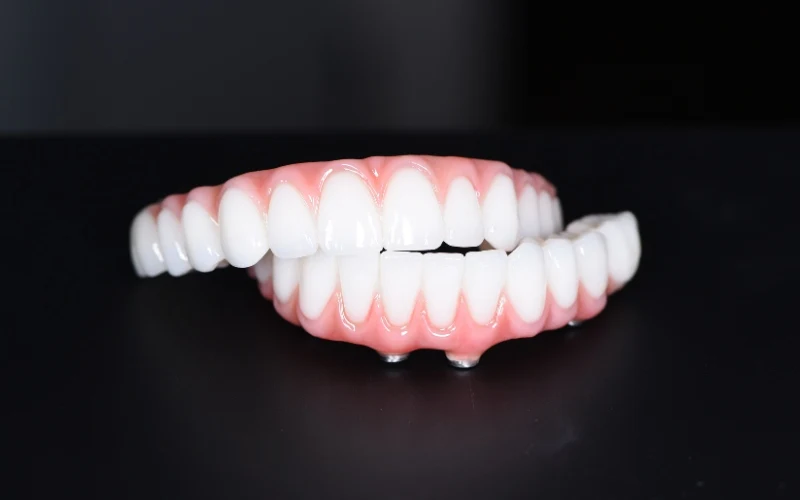
All On 4 Plus® implants anchor directly into your jawbone. They don’t move. This stability is what allows for chewing function that’s much closer to having natural teeth.
Your prosthetic teeth attach permanently to the implants, so there’s no slippage when you’re eating. The titanium implants fuse with your jawbone over time, creating a stable base that can handle normal chewing forces. Four strategically placed implants distribute pressure evenly, letting you bite with considerably more force than removable dentures allow.
This is what makes eating with implants feel natural and reliable.
The Timeline for Getting Back to Normal Eating
Here’s what the progression typically looks like when eating with implants.
First Week: Right after surgery, you’ll stick to soft foods to protect the surgical sites. Think scrambled eggs, yoghurt, mashed vegetables, protein shakes. It’s temporary, and it gives your gums time to heal whilst the implants start bonding with your bone.
Weeks 2-6: As things heal, you can add more variety. Well-cooked pasta, soft fish, tender vegetables, minced meats all work during this phase.
Months 2-4: The implants are fusing with your jawbone during this time. You’ll keep things moderately soft, avoiding really hard or sticky foods that could stress the implants before they’re fully integrated.
Month 4 and Beyond: Once everything’s healed and your final prosthetic is in place, you can typically eat virtually anything you enjoyed before losing your teeth. Most people find their chewing ability matches or even exceeds what they had with natural teeth.
What You Can Actually Eat
This is where it gets good. One of the biggest benefits people talk about with eating with implants is being able to enjoy a proper, unrestricted diet again.
Fresh apples, raw carrots, nuts, crispy vegetables – all back on the menu. The stable foundation means you can bite into crunchy foods with confidence. Steak, pork chops, other chewy meats that were impossible with dentures become manageable again. The even distribution of chewing force makes breaking down tough foods much easier.
Sticky foods like caramel that would pull dentures loose are generally fine with implants. You’ll still want to keep up good oral hygiene, but they won’t dislodge your teeth. Unlike dentures that insulate your palate, All On 4 Plus® lets you feel temperature better, making hot and cold foods more enjoyable.
And yes, corn on the cob. People specifically mention this one a lot – being able to eat corn straight from the cob again after years of cutting it off.
The main thing is that eating with implants removes that constant worry about your teeth moving or embarrassing moments with food.
How Chewing Function Actually Compares
The numbers here are pretty telling. People with traditional dentures typically regain only 20-25% of the bite force they had with natural teeth. That’s why so many denture wearers struggle with certain foods and end up changing their diets dramatically.
With All On 4 Plus®, patients typically regain 70-80% of natural bite force once fully healed. That’s a massive improvement, and it translates directly into better chewing and the ability to eat a much wider variety of foods.
The way the back implants are angled in All On 4 Plus® systems helps with this. They anchor into stronger bone areas, providing excellent stability during chewing, especially in the back where most food breakdown happens.
Getting Used to Your New Teeth
All On 4 Plus® provides excellent function, but there’s definitely an adjustment period as you learn to use your new teeth.
After years without teeth or with dentures, your chewing patterns have probably changed. Initially, you’ll need to consciously relearn how to chew effectively with your new teeth. There’s also a psychological side to it. After avoiding certain foods for years, building up the confidence to try them again takes time.
Even after your dentist gives you the all-clear for unrestricted eating, it’s smart to gradually introduce challenging foods rather than diving straight back into everything. Eating with implants feels different from natural teeth, particularly around temperature and texture. Most people adapt quickly and prefer the improved function despite minor differences.
Keeping Everything Working Well
Long-term success with eating with implants requires some basic care and maintenance.
Daily brushing and flossing around your prosthetic prevents bacterial buildup that could affect the implants or surrounding tissues. Six-monthly check-ups ensure your prosthetic stays properly adjusted and your implants remain healthy.
Whilst you can eat most foods, using common sense about extremely hard items like ice helps protect both your prosthetic teeth and the implants underneath. Chewing evenly on both sides of your mouth promotes balanced function and reduces stress on individual implants.
Most people find these requirements pretty straightforward and appreciate that eating with implants lets them enjoy food again without constant worry.
The Bottom Line on Eating with All On 4 Plus®
All On 4 Plus® can restore full chewing function, letting you return to eating virtually any food you enjoyed before tooth loss. There’s an initial healing period with dietary restrictions, but most people achieve excellent chewing ability that matches or exceeds what they had with natural teeth.
Eating with implants provides stability, confidence, and function that traditional dentures simply can’t match. Being able to enjoy a diverse, unrestricted diet makes a real difference to quality of life and supports better overall health through improved nutrition.
Ready to discover what eating with implants could mean for you? Contact Melton Dental House today to learn more about All On 4 Plus® treatment. Call us at 03 8798 9798 or complete our enquiry form to schedule your consultation.
Frequently Asked Questions
How soon after All On 4 Plus® surgery can I eat normally?
You’ll start with soft foods immediately after surgery, gradually progressing to normal foods over 3-4 months as healing occurs. Most people can return to eating virtually any food once the implants have fully integrated with the jawbone and the final prosthetic is placed. Your dentist will provide specific guidance based on your healing progress.
Are there any foods I absolutely cannot eat with All On 4 Plus® implants?
Once fully healed, you can eat most foods you enjoyed with natural teeth. However, using common sense with extremely hard items like ice or very hard nuts is advisable to protect your prosthetic teeth. These same precautions would apply to natural teeth as well.
Will eating with implants feel the same as eating with natural teeth?
Eating with implants feels different from natural teeth, particularly regarding temperature and texture sensation, as the prosthetic covers some palate area. However, most people quickly adapt and find the stable, confident chewing function far superior to what they experienced with dentures or failing natural teeth. The ability to bite and chew without movement or discomfort typically outweighs any minor sensory differences.