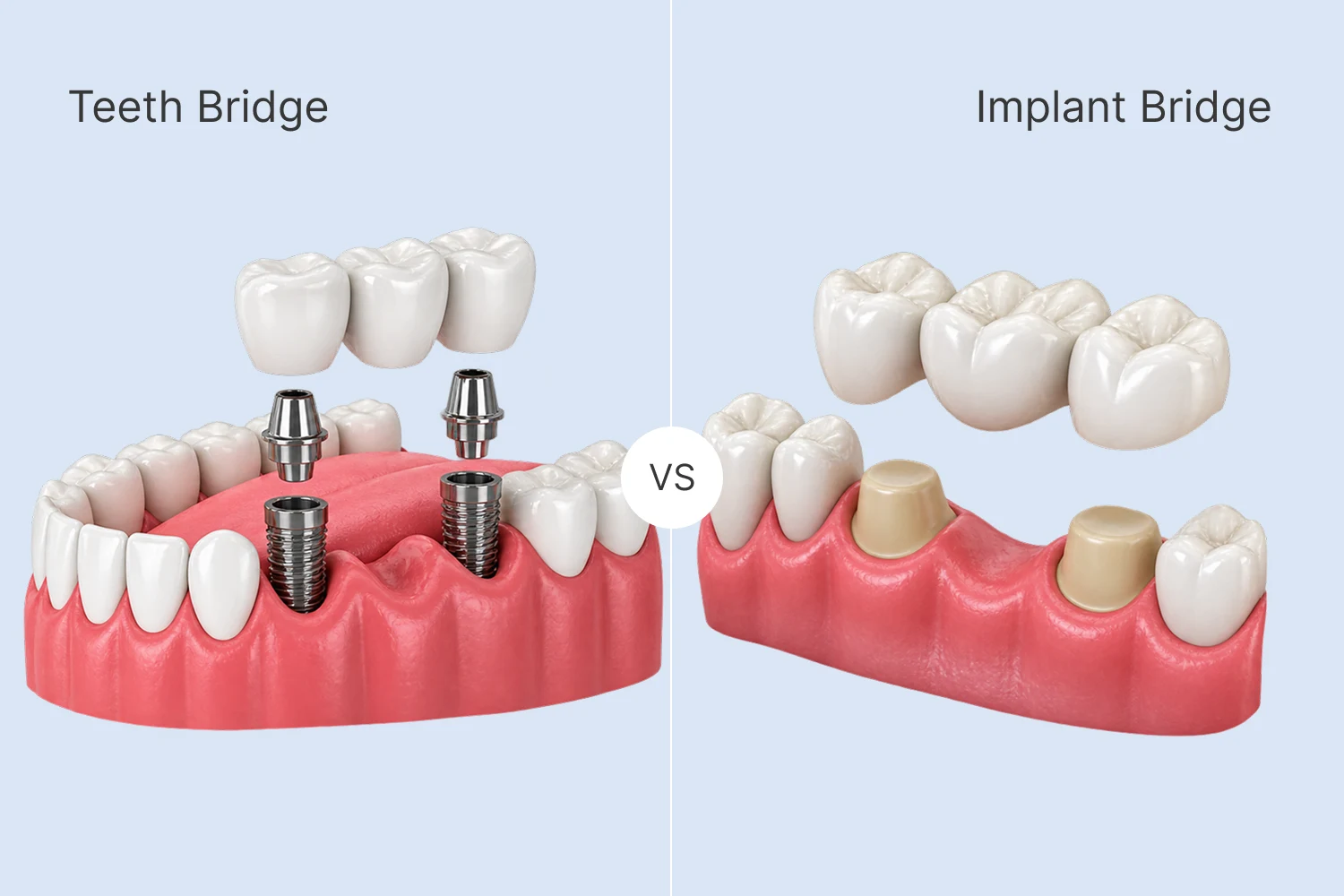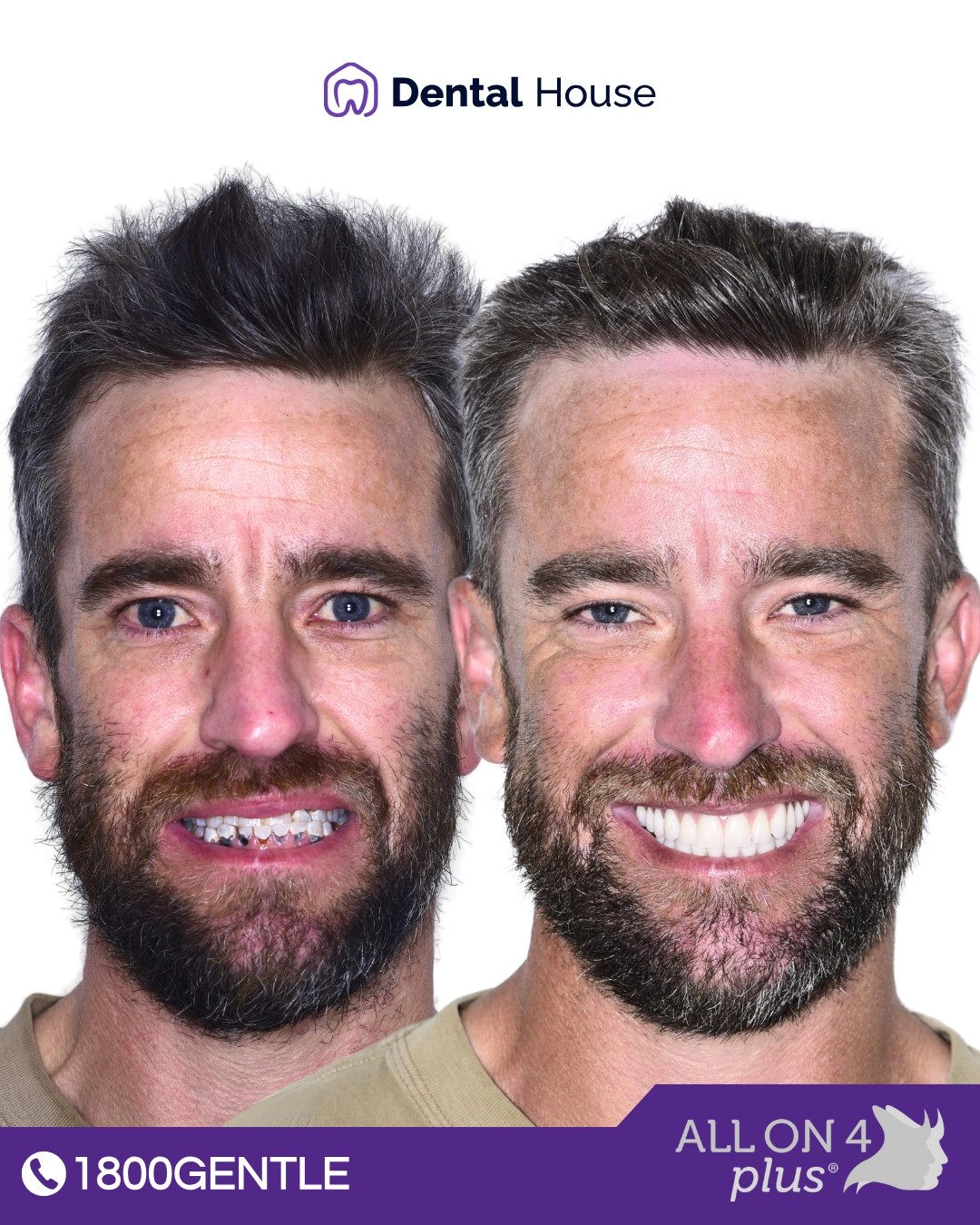
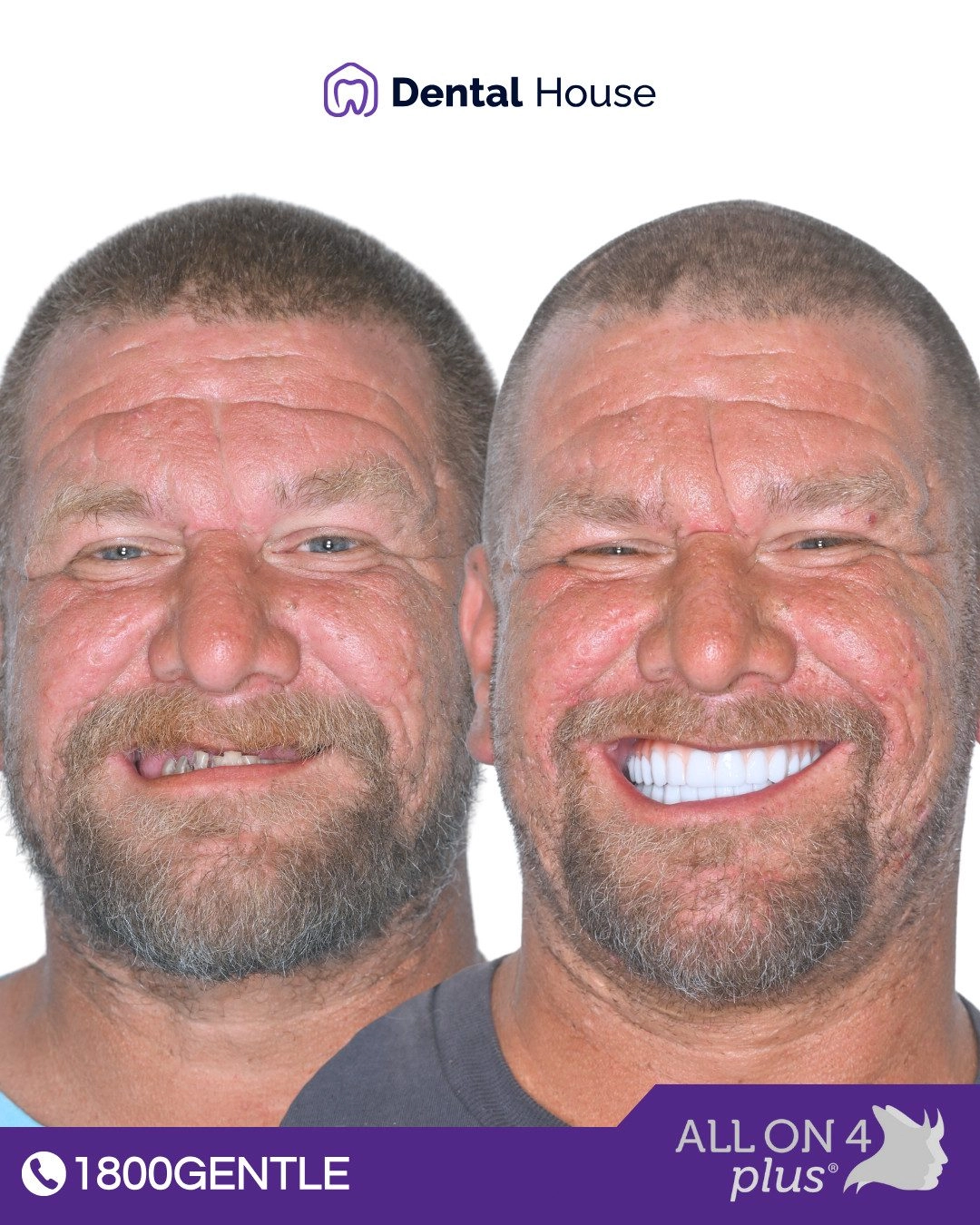
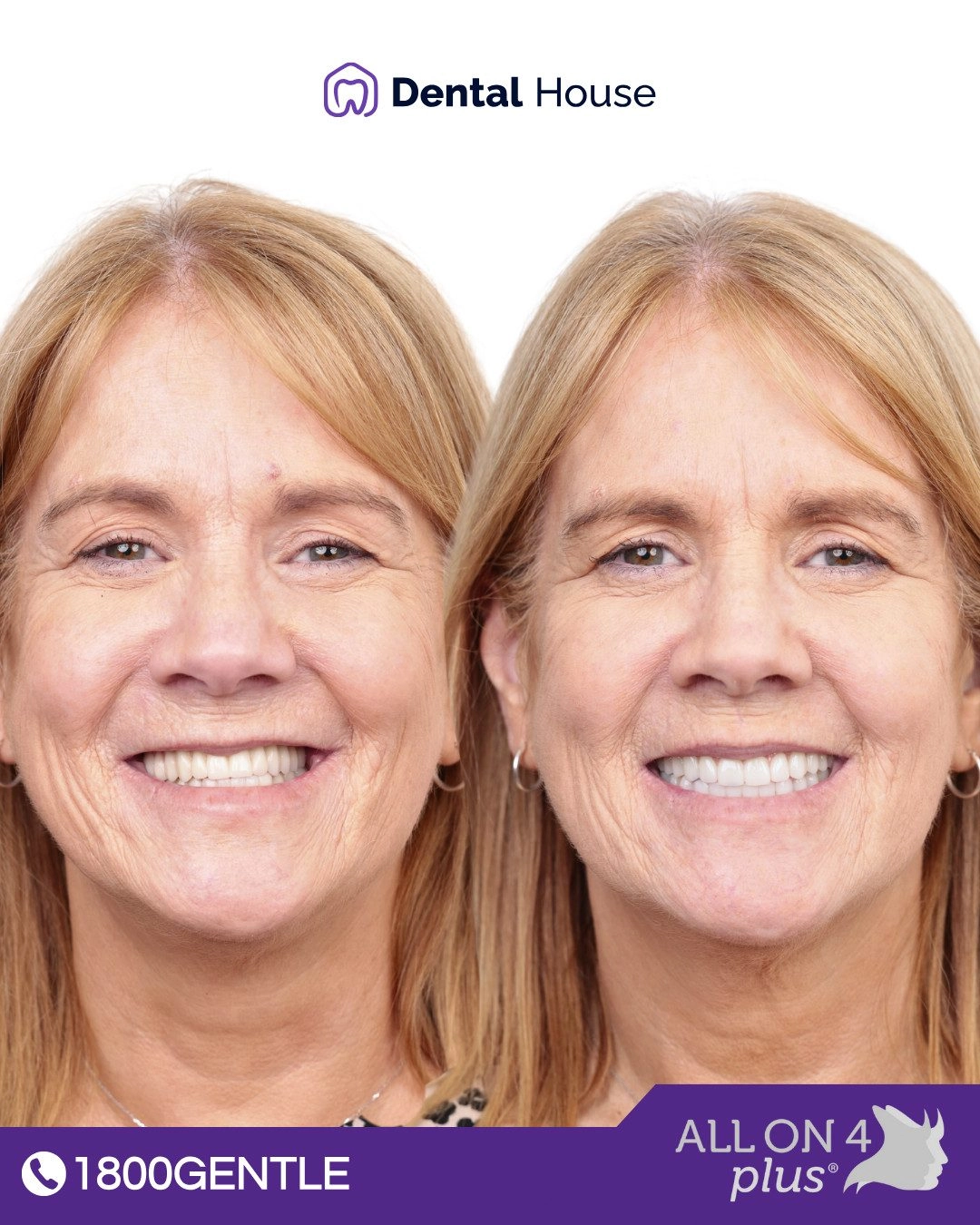

Teeth are essential for wellbeing and quality of life, and there has always been value in a mouth full of teeth.
In both function and form, the loss of teeth is always equated to a certain loss of prestige and a diminished sense of self worth. The strong desire to replace them has been around since the ancient Chinese used bamboo pegs, and excavations of Mayan sites revealed evidence of early dental implants.
With some success, Mayans used shells to replace missing teeth: a 600 AD skull was found with the jawbone healed around three tooth-shaped shells. With bone having healed and bonded to the shells, it suggests a formidable solution had been found to rectify any loss in ability to eat and speak.
It wasn’t until the 1800s that any real progress with implants was made when dentists attempted to secure gold, silver or platinum into the jaw. But with these metals lacking the appropriate properties, this technique had little longevity. Human teeth were also experimented with during this period, and although more successful than the previous metal attempts, they still didn’t last a lifetime.
It wasn’t until the 1950s when Swedish surgeon Per-Ingvar Brånemark was researching bone regeneration in rabbits that a significant discovery was made in terms of dental implants. Brånemark had inserted titanium into a rabbit’s leg bone and found that the bone and titanium had fused.
He called this process osseointegration and realised the significant opportunity that had opened for dental implants, performing the first of its kind in 1965.
Since then, incredible advancements have been made; such is the strong desire to replace missing teeth. Complete endentulism (having no natural teeth) is one of the health burdens of the elderly, and those caring for them when eating has become so limited there is little pleasure in it and nutrition is compromised.
Because even the most ostensibly routine case is unique, dental implant treatments have guidelines not rules; with a best treatment plan done in consultation with your dentist.
All On 4 Plus® is Dental Implant Technology At Its Finest
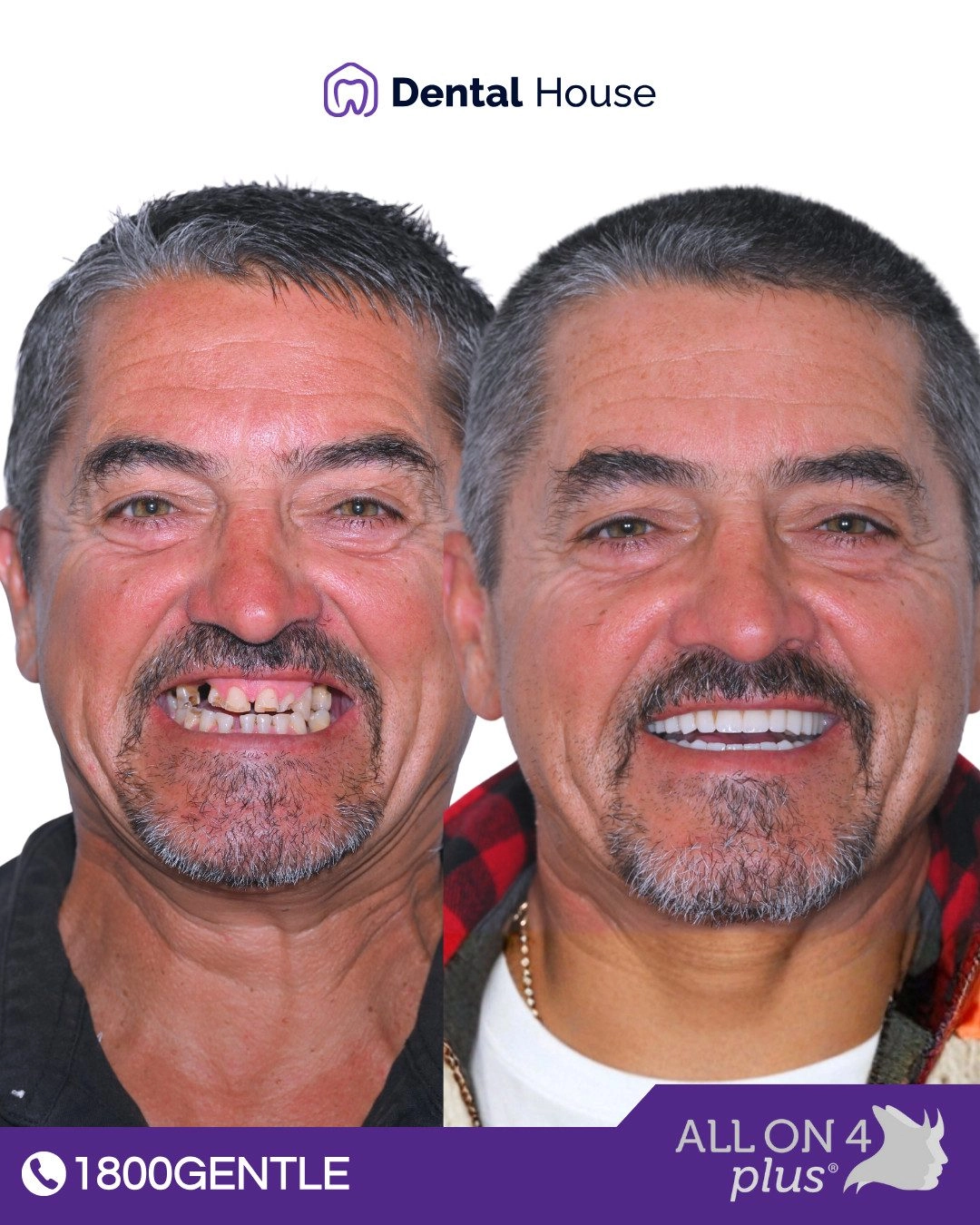
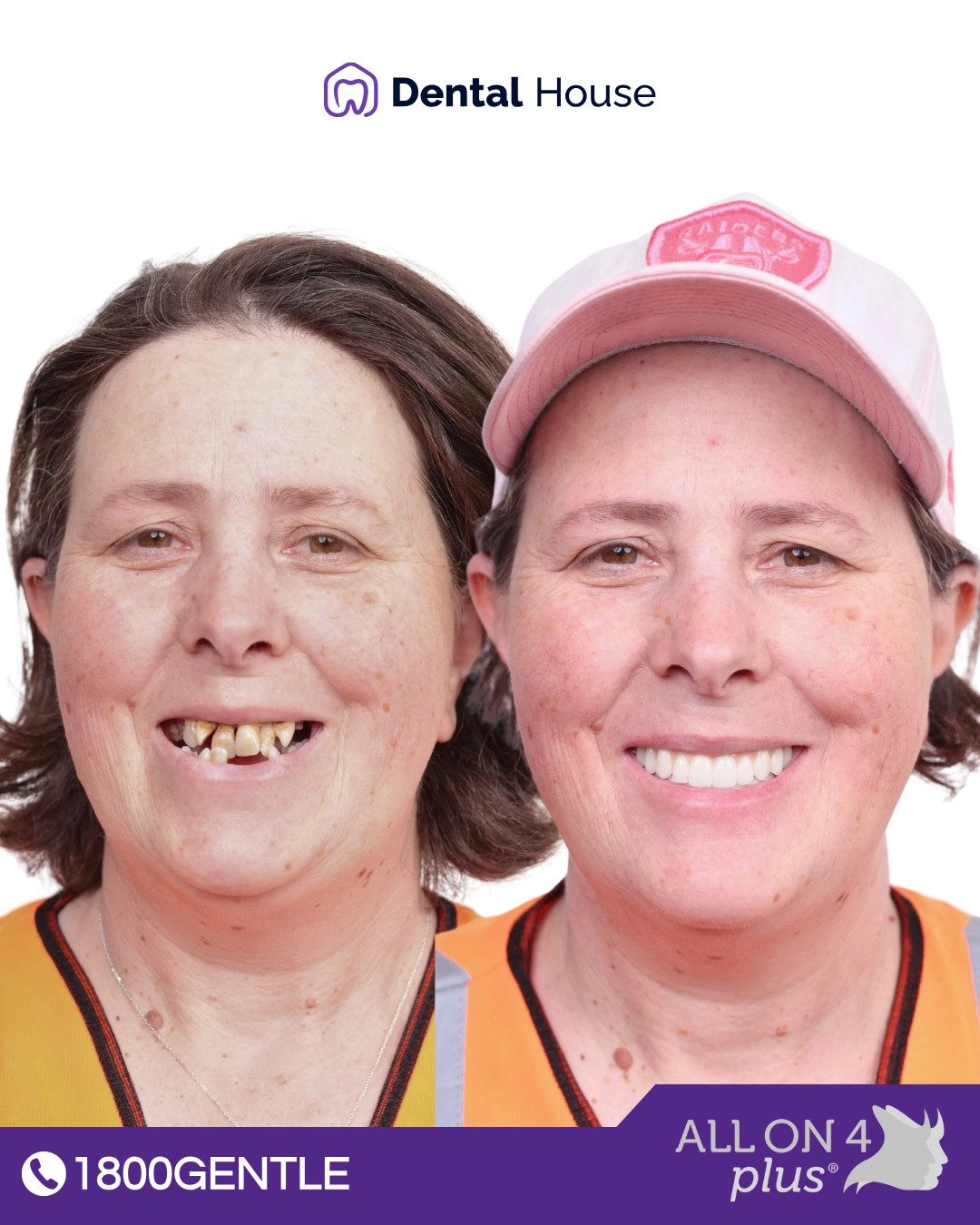
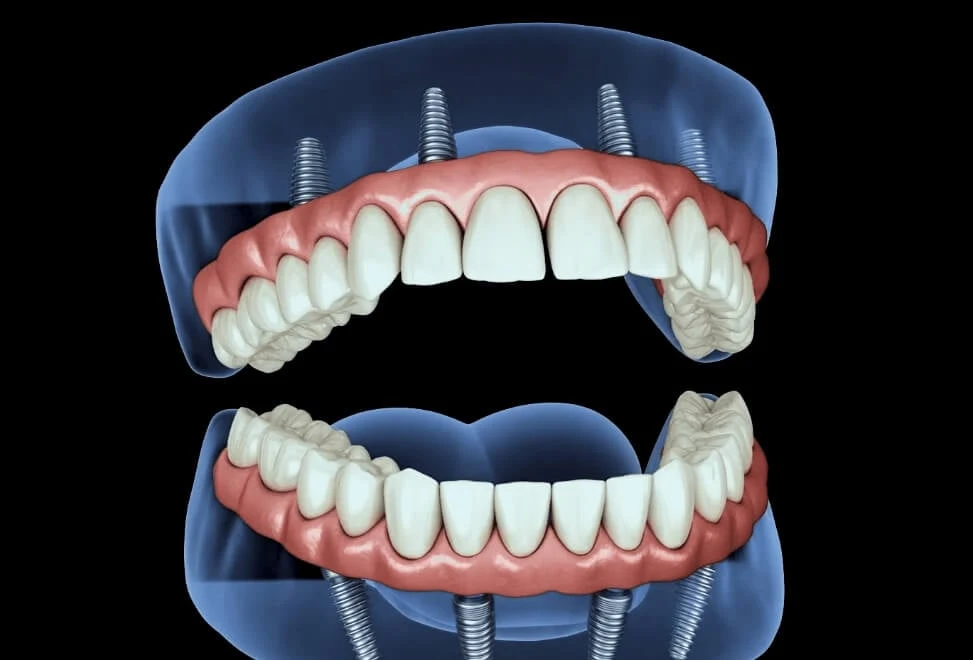
From bamboo pegs to titanium to All On 4 Plus®: a complex, restorative single-day procedure where the upper and lower set of teeth are replaced with just 4 implants, rather than one for every missing tooth.
As life expectancies increase, clinicians are faced with providing reliable, affordable solutions for patients who may not want, or be able to undergo a lengthier implant treatment involving numerous implants, bone augmentation, or soft tissue regeneration.
All On 4 Plus® is the alternative.
Extensive, and available information means that patients are more aware than ever of the benefits of All On 4 Plus®, and it’s common for patients to specifically request this treatment. It is important for clinicians to stringently assess whether it’s an individual’s best option, because as with every surgical procedure there are issues to consider.
As an alternative to dentures, All On 4 Plus® is a permanent solution that does have drawbacks for some patients. Speech issues can arise, along with difficulty adapting to the sensation of normal soft tissue, fake tissue and then the prosthetic teeth. It can be a big problem for some patients, which is unfortunately only realised after the surgery when nothing can be done to recover that natural feeling.
For others, All On 4 Plus® requires a complete change in dental hygiene routine. Asking a patient to improve their personal oral care, visit the dentist more frequently and significantly change a lifetime of eating habits is a lot to ask.
And a lot to chew on.