How Long Do Porcelain Veneers Last? A Realistic Guide to Veneer Lifespan
How Long Do Porcelain Veneers Last? A Realistic Guide to Veneer Lifespan
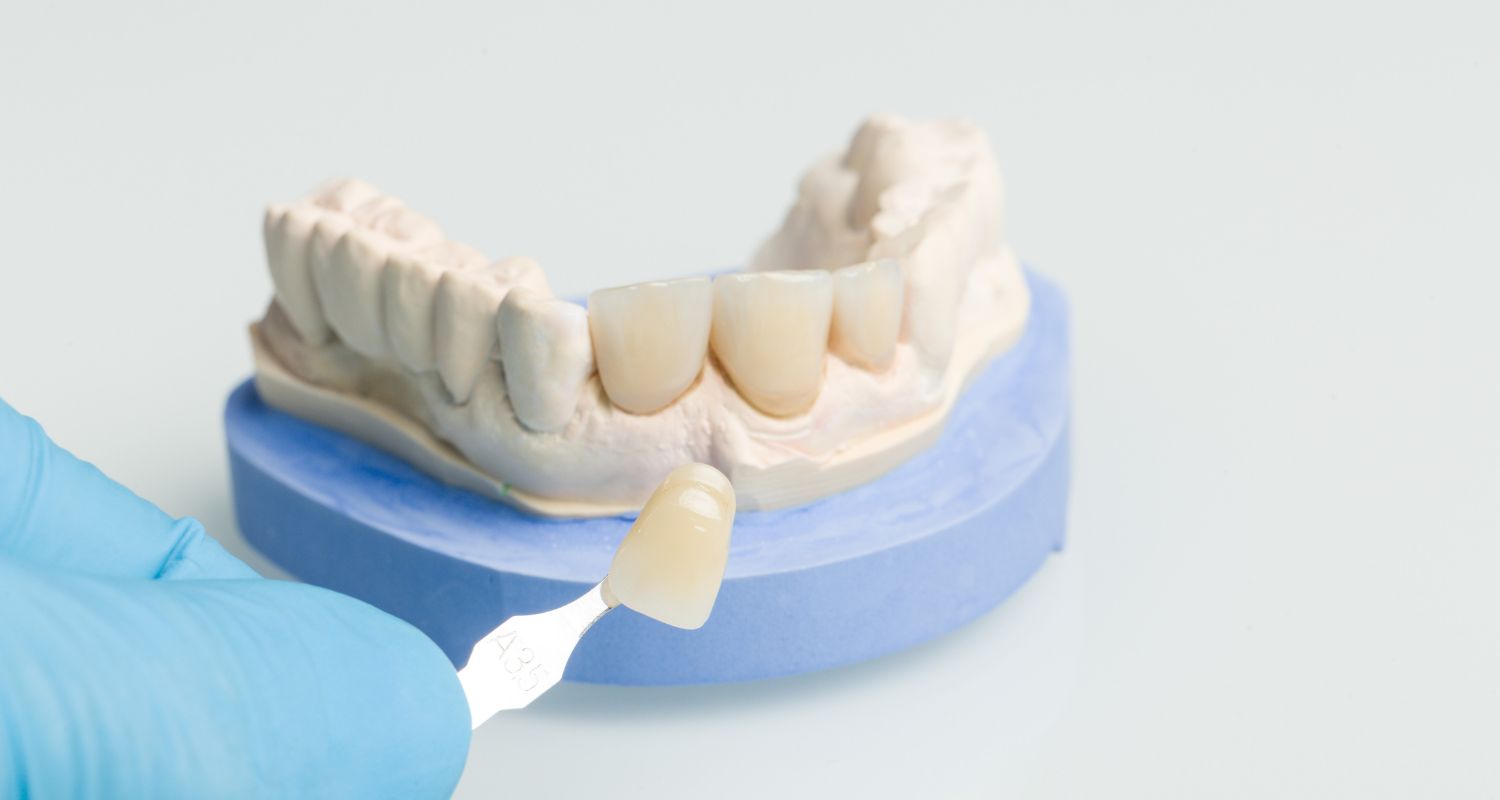
Porcelain veneers have become a popular cosmetic dental treatment for addressing various aesthetic concerns, from discoloured teeth to minor alignment issues. However, many patients want to understand the realistic lifespan expectations and maintenance requirements before committing to this investment in their smile.
According to clinical studies, porcelain veneers may last between 10-20 years with proper care, though individual results vary significantly based on multiple factors. The concept of durable cosmetic veneers depends not only on the quality of materials and placement but also on patient care habits and lifestyle factors.
Understanding realistic expectations about veneer longevity helps patients make informed decisions about their cosmetic dental treatment options and develop appropriate maintenance routines to maximise their investment.
Factors Affecting Porcelain Veneer Lifespan
Material Quality and Thickness
Modern porcelain veneers are typically made from high-strength ceramic materials that may offer excellent durability when properly fabricated and placed. Durable cosmetic veneers require sufficient thickness to resist fracturing while maintaining a natural appearance.
Placement Quality and Technique
The longevity of porcelain veneers significantly depends on proper tooth preparation, veneer fabrication, and bonding procedures. Factors affecting placement quality include moisture control during bonding, appropriate adhesive selection, and careful attention to marginal fit.
Bite Forces and Oral Habits
Excessive bite forces can affect veneer longevity. Patients who grind or clench their teeth (bruxism) may experience shorter veneer lifespans due to increased mechanical stress. Habits such as nail biting or ice chewing can also compromise veneer durability.
Oral Hygiene and Gum Health
While porcelain veneers resist decay, the underlying tooth structure remains susceptible to dental caries. Poor oral hygiene can lead to decay at veneer margins, potentially requiring replacement. Gum disease can also affect longevity by causing recession.
Expected Lifespan Based on Clinical Evidence
10-15 Year Range
Clinical studies suggest that many porcelain veneers may function successfully for 10-15 years. Research indicates that approximately 95% of veneers may survive 5 years, with survival rates decreasing gradually over longer periods.
Factors contributing to this timeframe include normal wear, potential chipping, and gradual changes in gum position that may affect veneer aesthetics.
15-20 Year Possibilities
Some durable cosmetic veneers may last 15-20 years or longer with excellent care and favourable conditions. This extended lifespan typically occurs in patients with:
- Excellent oral hygiene habits
- Minimal bite forces and no grinding habits
- Regular dental maintenance and monitoring
- Absence of significant gum recession or dental disease
Individual Variation
Veneer lifespan varies considerably between individuals due to differences in oral anatomy, habits, care routines, and biological factors. Some patients may require veneer replacement sooner than expected, while others may enjoy extended longevity.
Common Reasons for Veneer Replacement
Over time, changes in gum position may expose veneer margins, creating visible lines at the gum line. Natural tooth colour changes or veneer discolouration may also affect appearance, though high-quality porcelain typically maintains its colour well.
Chipping, cracking, or complete fracture may occur due to trauma, excessive forces, or material fatigue. Dental decay at veneer margins or significant gum disease may necessitate replacement for treatment of underlying problems.
Loss of adhesive bond between the veneer and tooth may cause loosening or detachment, which may be more common in the first few years after placement if bonding protocols were not optimal.
Essential Maintenance Requirements
Daily Oral Hygiene
Durable cosmetic veneers require the same daily care as natural teeth. Proper brushing with a soft-bristled toothbrush and non-abrasive toothpaste helps maintain both veneer and gum health.
Flossing remains crucial for removing plaque between teeth and around veneer margins. Special attention to gum line areas helps prevent decay and gum disease that could affect veneer longevity.
Professional Dental Care
Regular dental examinations and cleanings are essential for veneer maintenance. Professional cleanings remove plaque and tartar that daily brushing cannot eliminate, while examinations monitor veneer condition and underlying oral health.
Dental professionals can identify early signs of problems such as marginal gaps, bonding issues, or gum changes that may affect veneer longevity.
Protective Measures
Patients with grinding or clenching habits may benefit from wearing protective night guards to reduce forces on veneers during sleep. Custom-fitted guards distribute forces more evenly and may significantly extend veneer lifespan.
Avoiding habits that create excessive stress on veneers, such as chewing ice, biting fingernails, or opening packages with teeth, helps prevent premature damage.
Lifestyle Factors and Monitoring
While porcelain veneers resist staining better than natural teeth, avoiding excessive consumption of highly pigmented foods and beverages may help maintain optimal appearance. Hard foods that could chip veneers should be approached with caution.
Patients participating in contact sports should consider protective mouthguards to prevent veneer damage from trauma. Custom athletic guards provide better protection than over-the-counter options.
Routine dental visits allow for early detection of potential problems before they become serious. Small issues such as minor chips or early bonding problems may be addressed more conservatively than major failures. Professional cleaning techniques help preserve veneer surfaces and margins.
Cost Considerations and Planning
Veneer replacement represents a significant investment, making proper maintenance crucial for maximising value. Understanding expected lifespan helps patients plan for future replacement costs and maintenance expenses.
Treatment and maintenance costs vary based on individual requirements and complexity.
Making Informed Decisions
Understanding realistic expectations about porcelain veneer lifespan helps patients make informed decisions about cosmetic dental treatment. Durable cosmetic veneers represent a significant investment that may provide many years of aesthetic improvement with proper care.
Success with veneer longevity depends on patient commitment to maintenance routines, regular professional care, and lifestyle modifications when necessary. Not all patients may be ideal candidates for veneers, and individual factors should be carefully considered.
At Melton Dental House, we provide comprehensive consultations to help patients understand veneer options, expected outcomes, and maintenance requirements. We assess individual cases to determine the most suitable cosmetic treatment approaches based on patient goals and clinical factors.
To learn more about porcelain veneer options and maintenance requirements, contact Melton Dental House at 03 8798 9798 or complete our enquiry form to schedule a consultation where we can discuss your specific cosmetic dental goals and treatment possibilities.
Frequently Asked Questions
Can porcelain veneers be repaired if they chip, or do they need complete replacement?
Small chips in porcelain veneers may sometimes be polished smooth or repaired with bonding material, depending on the size and location. However, larger chips or cracks typically require complete veneer replacement to restore proper function and appearance. The repairability depends on the extent of damage and its location on the veneer.
Do veneers require special cleaning products or techniques?
Porcelain veneers can be cleaned with regular toothpaste and soft-bristled toothbrushes. However, avoiding highly abrasive toothpastes may help preserve the veneer surface. Regular flossing and professional cleanings remain essential, with dental hygienists using appropriate techniques for veneer maintenance.
What are the warning signs that veneers may need replacement?
Signs that veneers may need attention include visible chips or cracks, changes in colour or appearance, sensitivity around veneer margins, looseness, or visible gaps between the veneer and gum line. Any persistent discomfort or aesthetic concerns should be evaluated by a dental professional to determine if replacement or repair is needed.
DISCLAIMER:
The content has been made available for informational and educational purposes only. Melton Dental House does not make any representation or warranties with respect to the accuracy, applicability, fitness, or completeness of the content.
The content is not intended to be a substitute for professional personal diagnosis or treatment. Always seek the advice of your dentist or another qualified health provider with any questions you may have regarding a dental or medical condition. Never disregard professional advice or delay seeking it because of something you have read or seen on the Site.
Services Mentioned


More Dental Articles

Do Dental Procedures On Reality TV Shows Create Unhealthy And Unrealistic Views?
It's a story we've known since childhood when Hans Christian Andersen ugly duckling'd us. Suffering and desperation, transformation and joy are as old as narrative itself. It's the death and renewal story that's played out in fairytales, myths, opera, fiction and...

Is It Possible To Not Be Able To Smell Your Own Bad Breath?
When the tiny molecules that smells like bad breath give off are present for a period of time – and that can be for a minute…

Gum Disease May Play A Role In Alzheimer’s Disease Development
Probably the most frightening modern medical scourge is Alzheimer’s disease. Living as we do, as big brained monkeys, to lose our cognitive abilities and memories is, perhaps, the cruellest of fates. New research reveals that gum disease may play a role in Alzheimer’s...

Dental Health: Why Do We Play Hard & Fast With It?
Unbeknown to many, the simple act of gaming can have negative impact on oral health. Mindless snacking and energy drinks, dry mouth from dehydration, and teeth grinding while navigating intensive scenarios and tough levels are three of the common risk factors. Playing...