

Growing a new set of teeth might be possible if Japanese researchers achieve their goals …
We had fur once.
And not just on our teeth after eating spinach.
It’s the oxalic acid that does that.
That in itself, is weird stuff. Also known as oxalates, it’s an anti-nutrient that binds to calcium and blocks its absorption. Rhubarb, tea, nuts, beans and beets have high levels of it too.
So does chard, endive and dandelion greens but really, who eats those?
It’s a funny thing, fur. We like to stroke it. It releases serotonin and makes us feel happy. And it’s not just nice for us, furry skin is hard-wired for intense pleasure, which is why dogs and cats for instance, like it so much when we pet them.
It’s a two-way stroke.
Why it is that we humans are not covered in it anymore, seems like a bit of a scientific whack-a-mole.
What’s left of it we cut and pluck and wax and shave. Maybe it wasn’t the Ancient Egyptians with their beeswax and sugar that started the whole hairless thing; maybe there were Homo habilis wax technicians who all died of exhaustion and took their skill set with them.
Darwin’s take on it is natural selection (naturally) – that we chose less hairy mates because we liked ‘em better. I’m no evolutionary theorist, but that seems like a long way to tip the hairy. And to be fair, he didn’t know anything about genes and DNA so he was a pretty good guesser.
There’s another idea on why we’re cleanskins that centres on a protein inhibitor called Dickkopf 2 (yes, yes, quiet in the peanut gallery).
It appears that Dkk2 could be fundamental to hair growth. A researcher studying plantar skin in mammals (the hairless parts, like pads) found that rabbits and polar bears don’t have high levels of it. Unlike most other mammals, the plantar areas of these two species are fur-covered.
So there’s stuff about that (with hope for bald people too); there’s the aquatic ape theory (look it up and expand your knowledge just because); there’s the idea that when hominims moved from the shade of the forest to the savannah thermoregulation developed; and then there’s the one about being furless except for where the pheromones live, meant we were parasite-free and much more attractive.
May reckon that one still works.
The most interesting hypothesis comes from evolutionary neurobiologist Mark Changizi. He reasons that vision and colour theory are why we’re the hairless apes that we are.
Truly fascinating stuff. Google it. It lets me off the hook, and you’ll be glad you did. Not as glad as you’d be patting a dog, but close.
Growing fur on our teeth from oxalates and plaque is the closest we’ve ever gotten to growing anything in our mouth other than the teeth that were predestined to erupt.
Both sets of them. Doing it twice is pretty good.
How much more would we love evolution if there were more than that? What would it be like if losing a tooth didn’t matter? Would we look after them more, or less?
Hair doesn’t matter (it might matt, but it doesn’t matter), and not everyone has a regular hairdresser appointment.
In Japan, pubic hair is considered unhygenic and unsanitary so they have many permanent ways to remove it, but there are things to thank the Japanese for.
Sushi, sashami, wasabe, quartz watches, pocket calculators, CDs, PlayStations, fibre-optics, laptops, microprocessors … the list goes on. Zen, Shinto, Taoism, Buddhism, Confucianism, Wabi-sabi – all that offer a peaceful life.
And it is Japan again, in this modern world, that’s bringing mental calm to those suffering the ravages of toothlessness.
Japanese researchers are currently working on medication that will make growing a new set of teeth possible.
Can you believe it? Like joke teeth, only not. Nor is it a joke. Clinical trials are scheduled for July 2024.
Nine months from now. It’s the same as awaiting the joyous arrival of a baby. With a full set of teeth.
Dr Katsu Takahashi, a lead researcher and head of the dentistry and oral surgery department at the Medical Research Institute Kitano Hospital, is the responsible parent. He’s been working on it since he was a grad student, and even he’s probably not as excited as the rest of the world.
For almost twenty years, Dr Takahashi has studied a particular gene that stops the ability to regrow teeth. This antibody, USAG-1 protein, limited the growth of teeth in mice; so ensuring that the protein didn’t form by creating a neutralising antibody medication, potentially encourages teeth to grow.
Humans do have a third set of tooth buds you know, ready to go.
It’s a treatment developed for those with the genetic disorder anadontia – which is the complete absence of teeth, be it baby, or secondary. Its clinical definition is the nonappearance of six or more teeth.
At this point, it’s planned only as an option for anadontia sufferers, with the hope of making it possible in 2030 to treat children from the ages of 2 to 6.
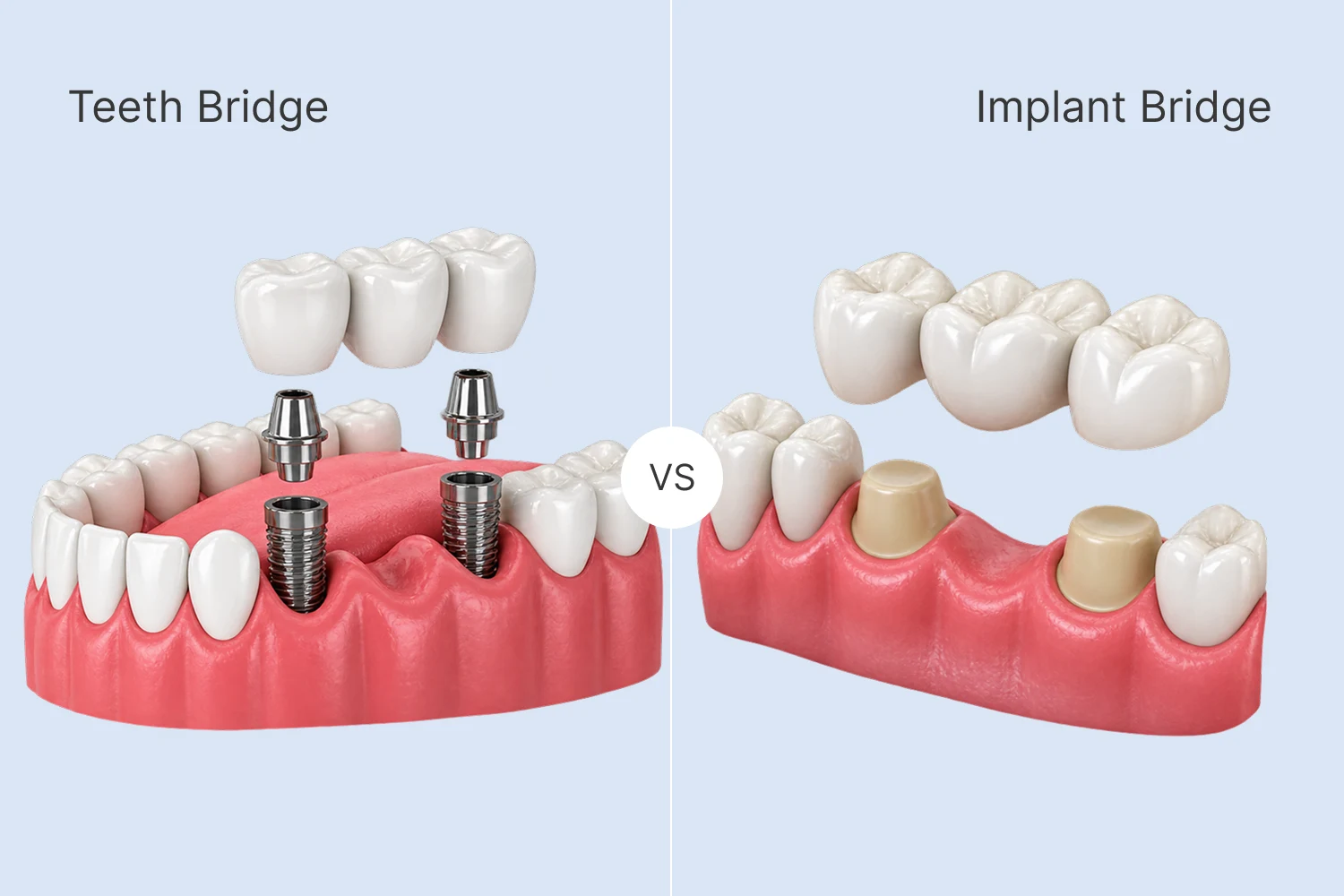
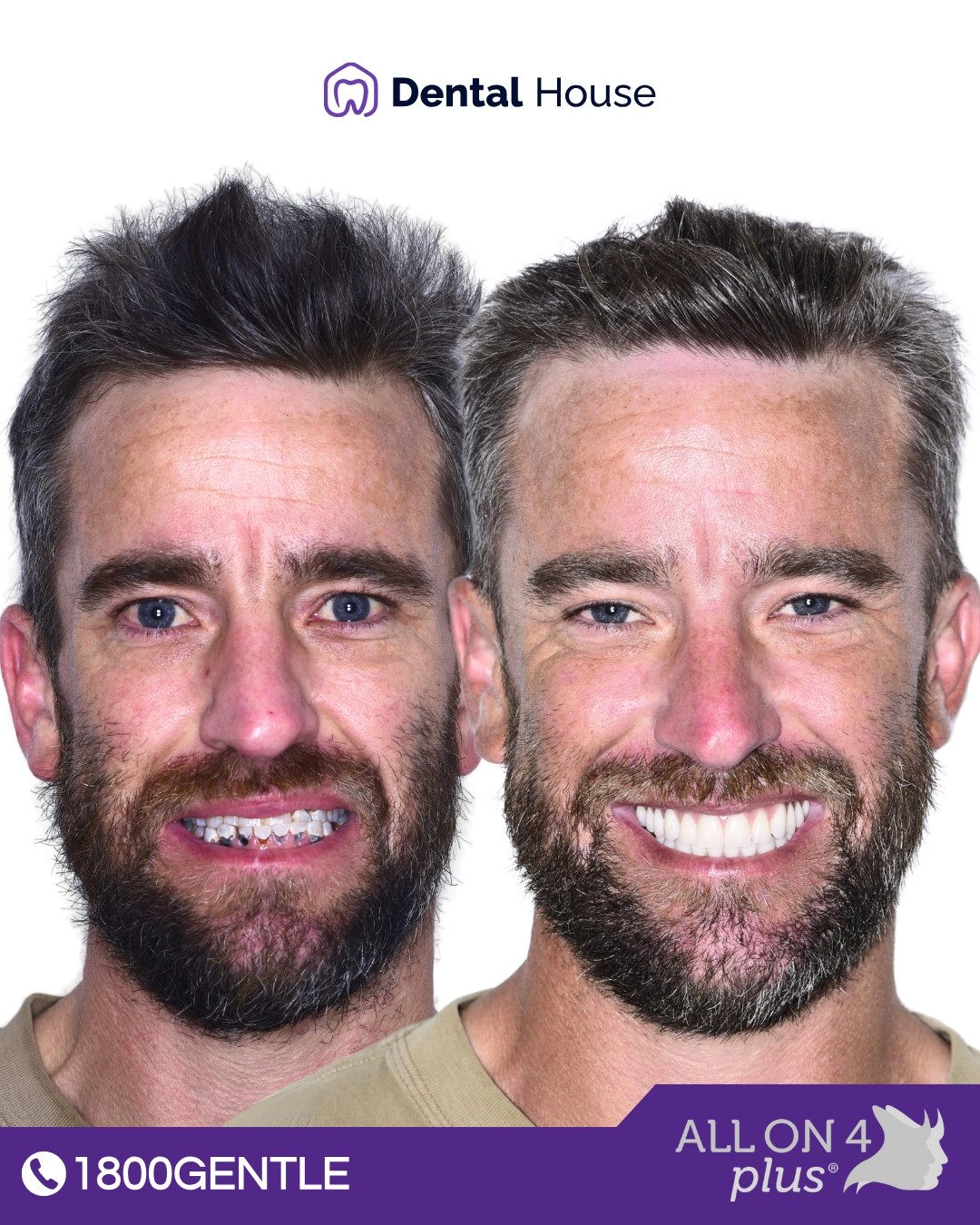
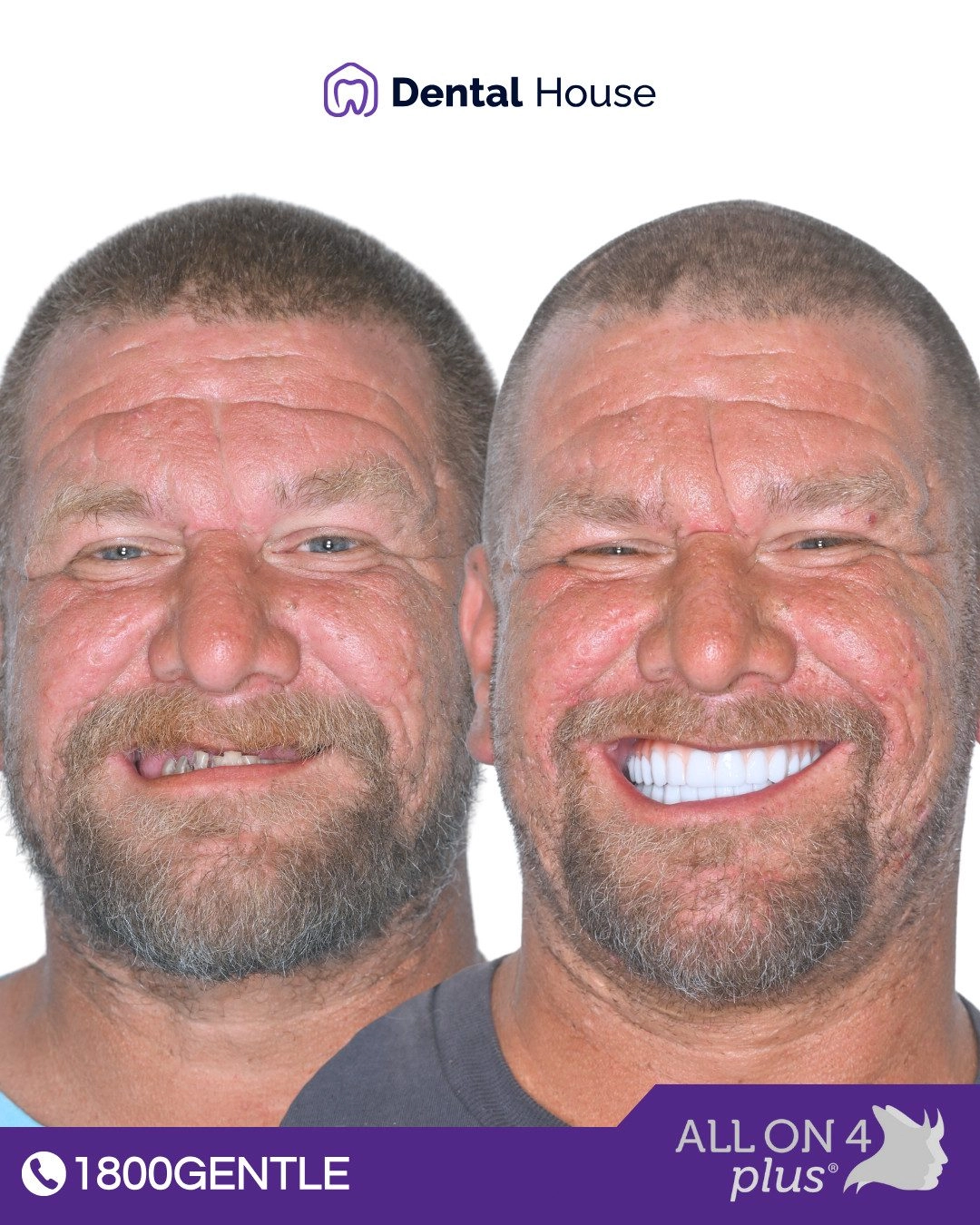
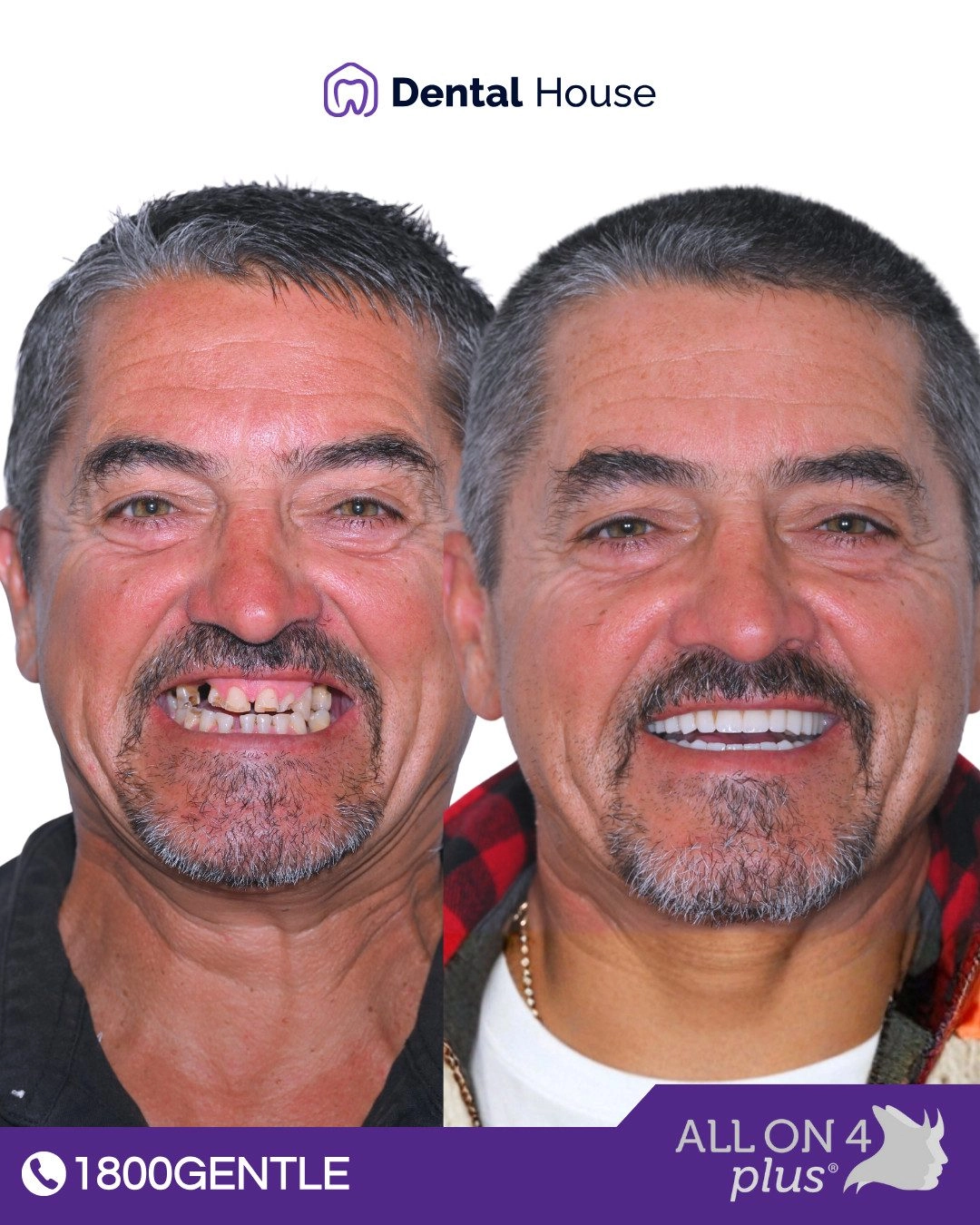
After that, it’s expected to be an available third choice alongside dentures and implants.
Watch this space. Say that in seven years, there’ll be a tooth.
Services Mentioned
Give us a call at +61 3 8798 9798 or contact us by submitting the enquiry form below. We will be happy to help.